




The Dream of the Universal Sweater
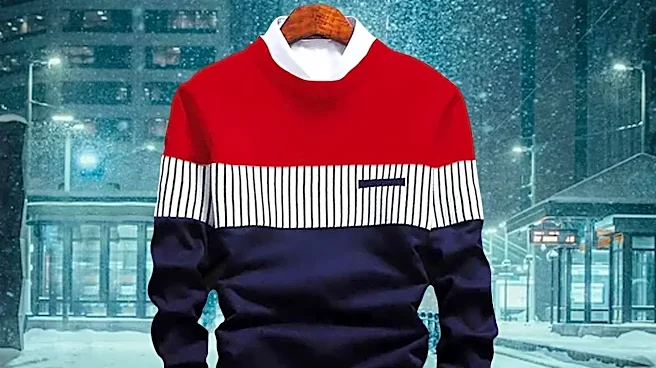
The idea of a single, universally flattering garment is a holy grail in fashion design. Proponents of this theory argue that a perfectly calibrated pullover can, and should, work for everyone. They point to a classic-fit crewneck as the prime candidate.
This camp believes that a carefully chosen silhouette—not too tight, not too loose—that skims the body can create a balanced and timeless look. The goal is to design a sweater with proportions so harmonious that it enhances any figure. A hip-length hem, for instance, is often cited as a universally flattering choice because it can elongate the torso without visually shortening the legs. Designers in this camp focus on creating a foundational piece that serves as a clean canvas, adaptable to anyone's personal style.
The Reality of Diverse Bodies
On the other side of the aisle, many designers argue that the concept of a "universal" fit is a myth that ignores the beautiful diversity of human shapes. This group contends that what flatters a pear-shaped body (wider hips) is fundamentally different from what flatters an inverted triangle shape (broader shoulders). For them, specificity is key. They argue that factors like a defined waist on an hourglass figure or a longer torso on an apple shape demand different design solutions. Forcing a single sweater style onto every body, they say, is a disservice to both the garment and the wearer. Instead of one-size-fits-all, this philosophy champions a wardrobe of different styles that cater to specific needs, ensuring everyone finds a truly complementary fit.
The Secret Debate: Fabric and Drape
Perhaps the most nuanced part of the disagreement isn't about the cut, but the material. A sweater's fabric fundamentally changes how it hangs, a quality designers call "drape." A design rendered in a stiff, structured cotton will hold its shape and stand away from the body, while the same design in a fluid, lightweight cashmere will skim and follow curves. This is a major point of contention. Some designers believe heavier fabrics can smooth over areas one might want to de-emphasize, while others argue that lightweight, drapey materials are more forgiving and adaptable. The same silhouette can appear either boxy or flowing based entirely on the fabric's weight and composition, making the choice of material just as important as the pattern itself.
A Battle of the Necklines
Nowhere is the disagreement more apparent than the neckline. The two main contenders are the crewneck and the V-neck, each with a legion of designer devotees. Crewneck advocates praise its timeless, minimalist appeal that frames the face and works well for those with longer necks or smaller busts. But V-neck supporters argue their style is the true champion of flattery. They maintain that the V-shape creates a downward visual line that elongates the neck and torso, making it particularly beneficial for those with shorter necks, broader shoulders, or fuller busts. The debate boils down to whether the goal is to create classic structure (crewneck) or slimming length (V-neck), and top designers remain firmly divided.
Finding Your Perfect Pullover
So, what does this industry debate mean for you? It means you can stop searching for one mythical "perfect" sweater and instead become an expert on your own style. The designers' disagreement gives you permission to choose what works for your body and your taste. Use their principles as a guide, not as rigid rules. If you have broader shoulders, see if a V-neck feels more balancing. If you have a straighter figure, perhaps a belted or wrap-style sweater helps create definition. Pay attention to how different fabrics feel and fall on your body. The ultimate takeaway is that confidence comes from understanding the elements—fit, fabric, and neckline—and choosing the combination that makes you feel your best.