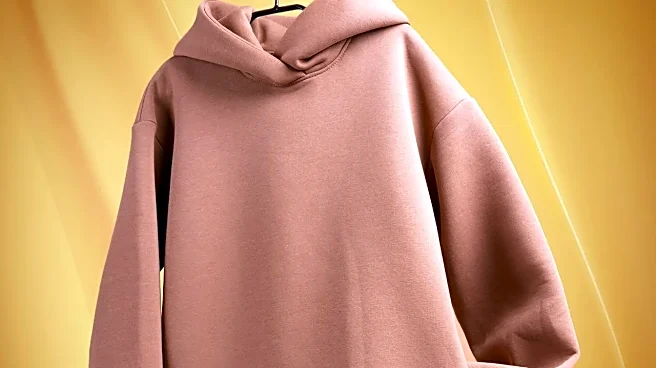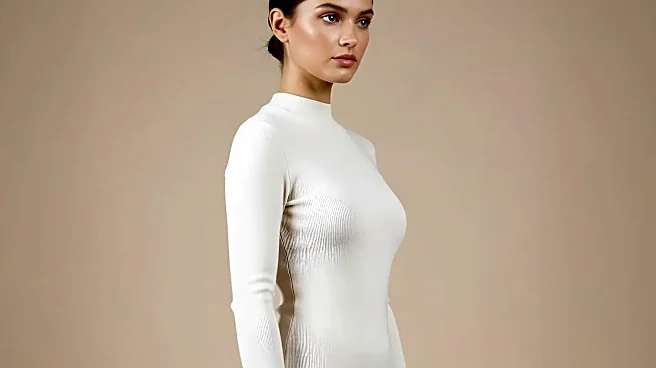

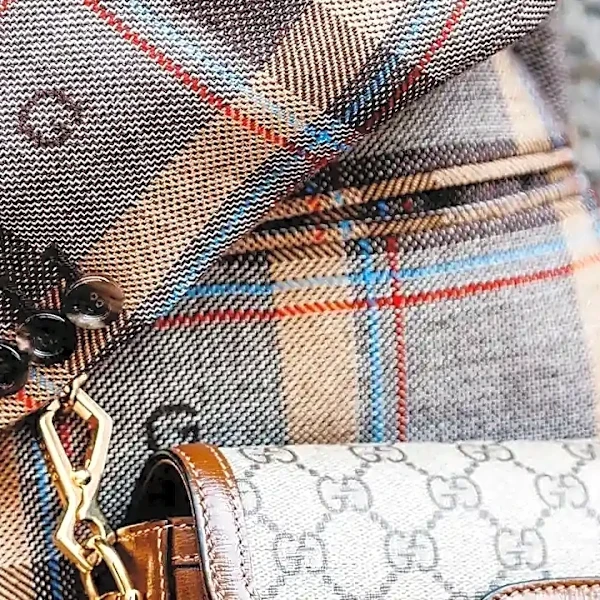
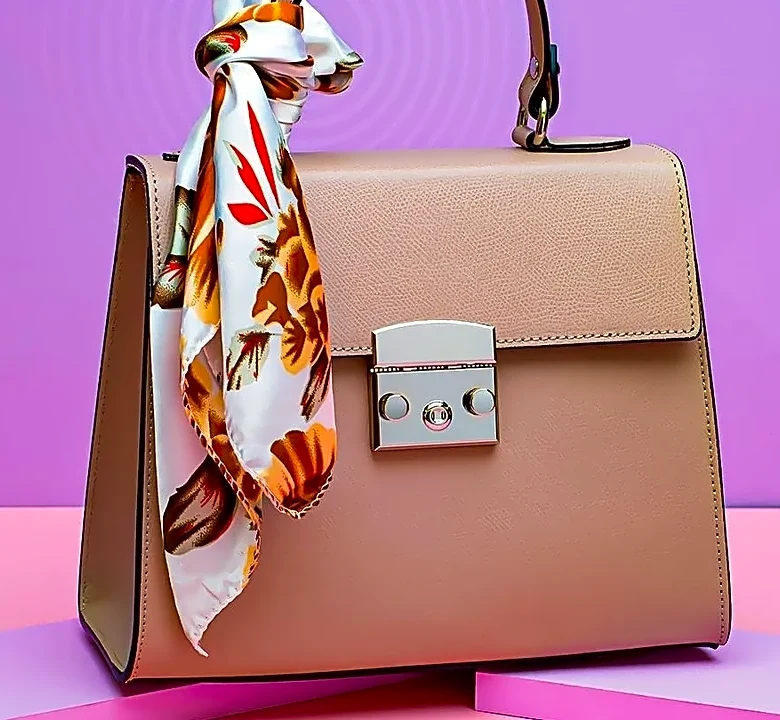

Embrace the 60-30-10 Rule
The most powerful tool for balancing a multi-color outfit is the 60-30-10 rule, a classic principle borrowed from interior design. This simple ratio prevents any one color from overwhelming the look, creating visual harmony. Here’s how it works: 60% of
your outfit is your dominant color, which acts as the foundation. This is typically a larger piece like a dress, trousers, or a coat. The secondary color makes up 30% of the look, providing contrast and interest. Think of a blazer, cardigan, or skirt. Finally, 10% is your accent color—a pop of personality in a small dose, perfect for accessories like a bag, shoes, a scarf, or even a bold lipstick. This distribution ensures the eye flows smoothly across the outfit rather than jumping between competing elements.
Build Around a Neutral Base
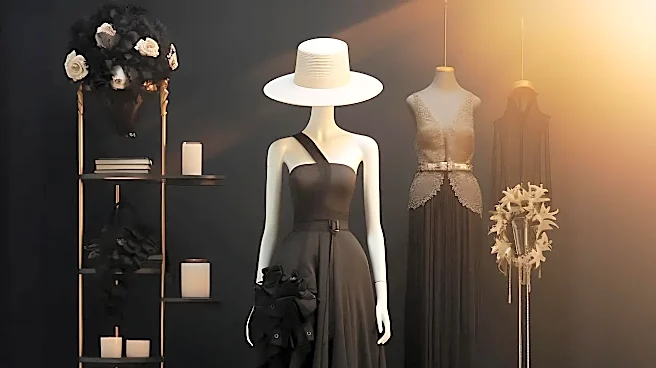
The easiest way to dip your toes into a three-color look is by starting with a neutral base for your dominant (60%) shade. Colors like black, white, grey, navy, beige, or olive green are incredibly versatile and pair easily with almost anything. They act as a grounding force, allowing your other two colors to shine without creating chaos. For a foolproof combination, try pairing two neutrals with one bolder color. For example, you could wear a navy suit (60% neutral), a white shirt (30% neutral), and add a pop of personality with a rust-colored tie or handbag (10% color). This approach feels intentional and chic, never accidental.
Choose Your Palette Wisely
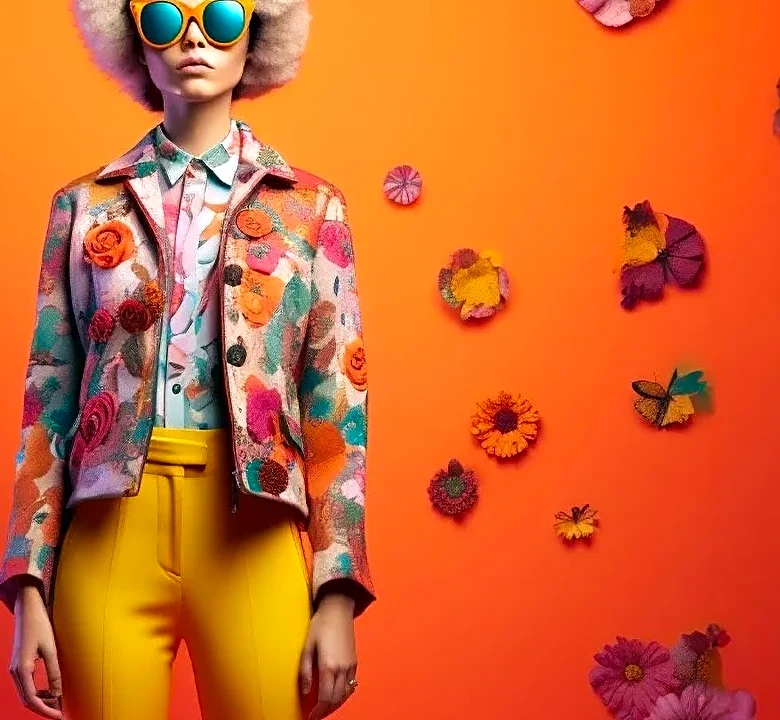
Once you understand the proportions, the next step is choosing which three colors to combine. A color wheel is your best friend here. For a subtle and sophisticated look, an analogous color scheme uses colors that sit next to each other on the wheel, like blue, green, and teal. Because they share similar undertones, the effect is harmonious and low-contrast. For a bolder statement, a complementary color scheme uses colors opposite each other on the wheel, like blue and orange. To make this work in a three-color outfit, use one color as your dominant shade and its opposite as the 10% accent, then bridge them with a neutral for your 30%. If your outfit includes a printed piece, you can also pull two or three colors from the pattern to build the rest of your look, guaranteeing a cohesive result.
Don't Forget Texture and Tone
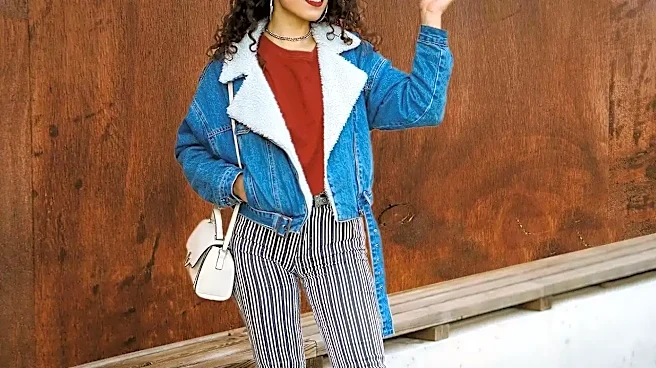
Color is only one part of the equation; texture adds depth and interest that can make a combination work. Mixing different materials—like a chunky knit, smooth silk, and structured leather—adds visual weight and keeps even a simple color palette from feeling flat. A wool sweater, a satin skirt, and a leather bag in three different colors will feel more luxurious and intentional than an outfit made of three cotton pieces in the same colors. Similarly, playing with different tones of the same hue can create a sophisticated, monochromatic-plus-one look. For instance, you could pair dark-wash denim jeans (60%) with a sky-blue shirt (30%) and a vibrant yellow bag (10%). The tonal variation in the blues adds a layer of complexity that feels effortlessly stylish.