






History Has Its Own Scoreboard
On paper, a group stage match between two rivals is worth the same three points as any other game. But scoreboards don't measure history, bragging rights, or national identity. When teams with deep-seated rivalries meet, they aren't just playing for a spot
in the knockout rounds; they're playing the latest chapter in a long-running story. These stories can be rooted in geography, politics, or decades of memorable on-field battles. Think of England versus Scotland, USA versus Mexico, or Argentina versus Brazil. These aren't just games; they are cultural events where the past is always present. A victory isn't just a win—it's a year's worth of bragging rights for fans who live and work alongside their rivals. The pressure to uphold that pride can make a routine match feel like a must-win final.
The Cauldron of Fandom
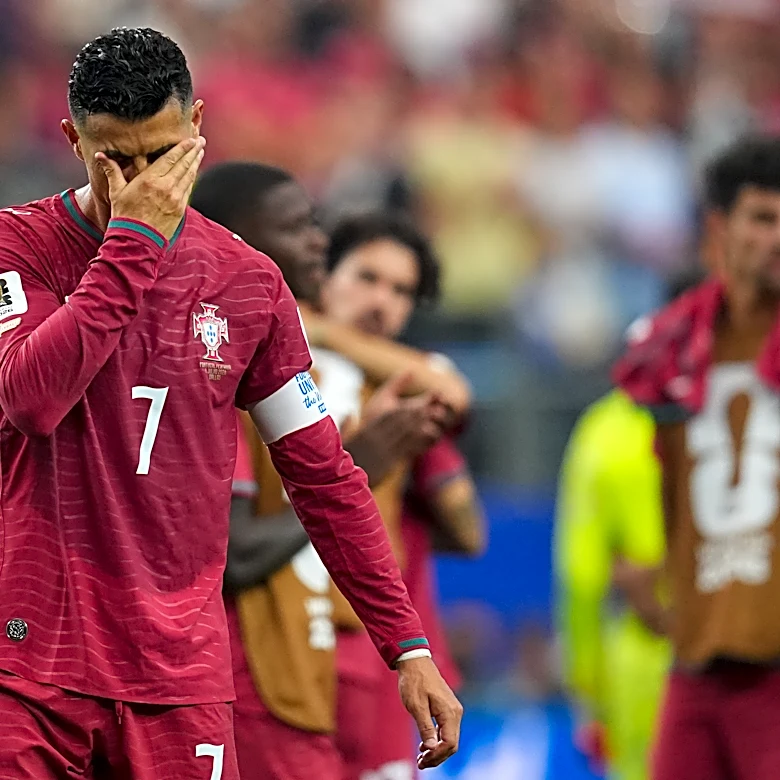
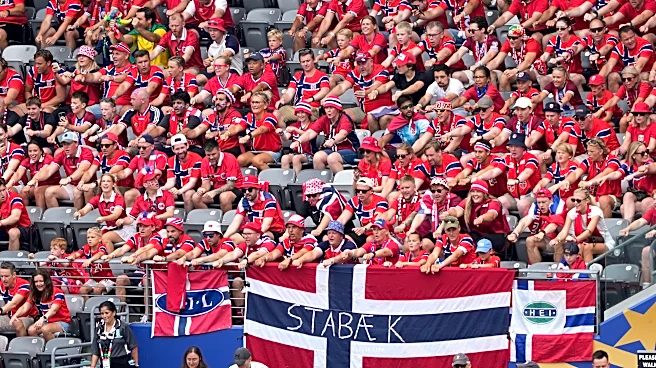
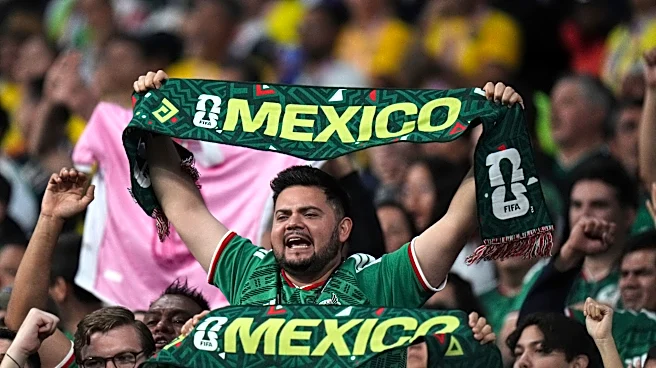
A standard group match might have passionate supporters, but a rivalry match has an entire nation's emotional state on the line. For fans, these games are a focal point of collective identity. The "us versus them" dynamic is never stronger, creating an electric, often intimidating atmosphere that players can't ignore. That energy feeds directly onto the pitch, turning the stadium into a cauldron of noise and emotion. Players often speak of feeling an extra surge of adrenaline, but also an intense pressure not to let their supporters down. This shared experience forges a powerful bond between fans and the team, where the stakes feel personal for everyone involved, from the players to the last fan in the upper deck. It’s this communal investment that transforms 90 minutes of soccer into something monumental.
Media Hype Builds the Narrative
Weeks before a rivalry game, the media narrative machine kicks into high gear. Pundits dissect historical matchups, television networks run dramatic montages, and headlines frame the game as a do-or-die clash of titans. This constant buildup creates a self-fulfilling prophecy: the game is treated like a final, so it begins to feel like one for players and fans alike. By the time kickoff arrives, the context has been set. It's not just another match; it's a battle for supremacy, a test of wills, and a moment that will define a team's tournament run, regardless of what the group table says. This external pressure can fundamentally change how a team prepares and plays, adding a layer of psychological weight that isn't present in other games.
A Different Game on the Pitch
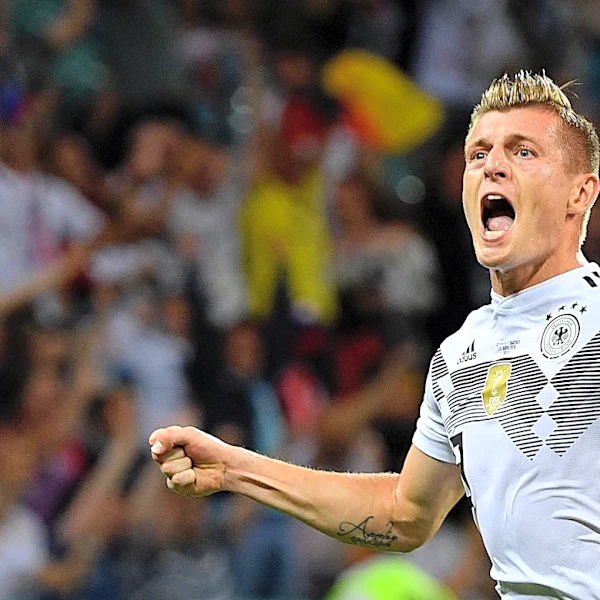
The psychological weight of a rivalry changes the game itself. Research and player testimonies reveal that athletes experience heightened focus and motivation when facing a rival. Your brain actually delivers a bigger reward for beating a rival than a neutral opponent. However, this intensity can be a double-edged sword. The fear of losing to a sworn enemy can sometimes become greater than the desire to win, leading to cautious, tense, and attritional battles. Players might be more prone to aggressive tackles or uncharacteristic errors under the immense pressure. Tactics can become more conservative, as a draw can feel safer than risking a humiliating defeat. This unique mental state—a mix of heightened performance and overwhelming anxiety—is what gives these matches their distinct, final-like flavor of desperation and consequence.