






The Announcer's Constant Conversation
The most immediate difference is the commentary. In an NFL or NBA broadcast, you get a distinct duo: the play-by-play announcer who calls the action, and the color commentator who provides analysis between plays. It’s a staccato rhythm: action, call,
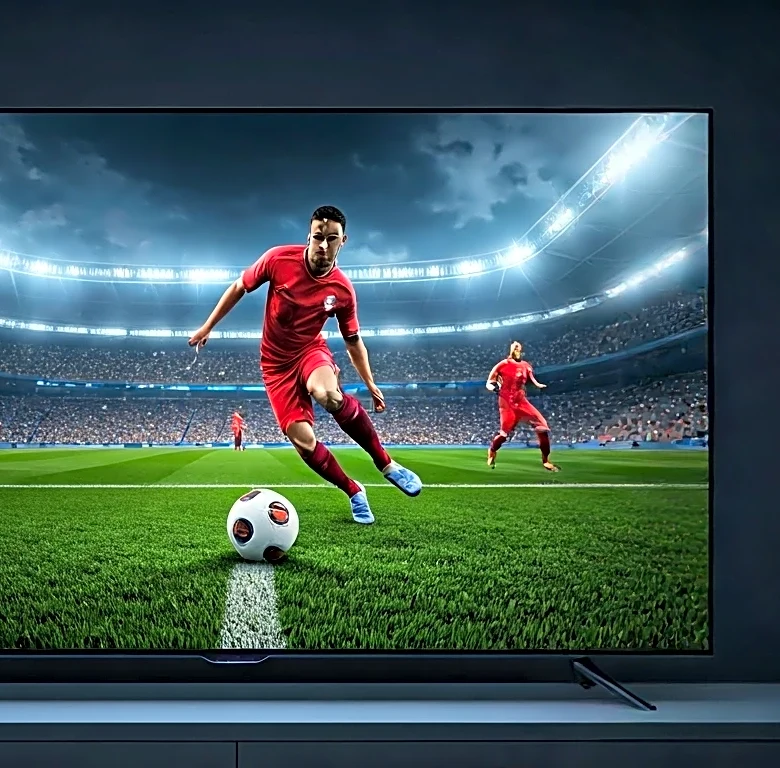
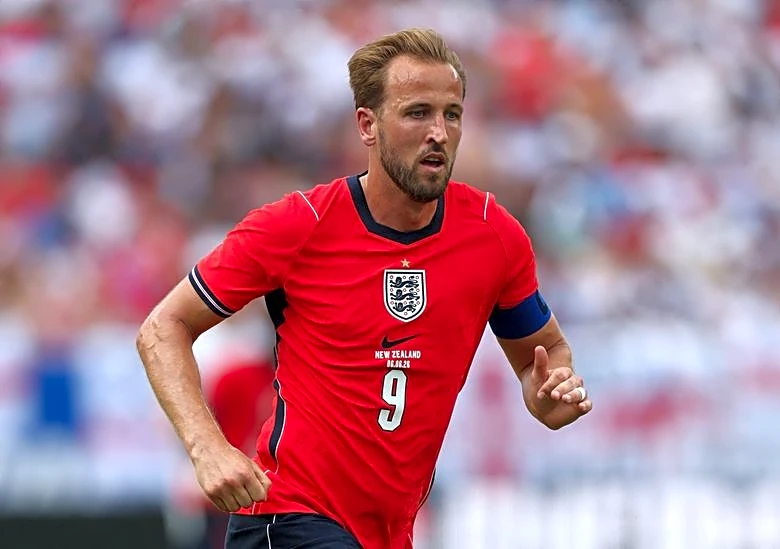
analysis, repeat. Think of Al Michaels detailing a pass, then Cris Collinsworth breaking down the route on the replay. This structure is dictated by the sports themselves, which are built on a foundation of discrete plays, timeouts, and huddles. There are natural, built-in pauses for commentary. Soccer is the opposite. With its continuous 45-minute halves, the ball is almost always in motion. A traditional play-by-play cadence would be exhausting and pointless. Instead, soccer announcers adopt a more conversational, flowing style. They are tour guides for the game's narrative. The lead commentator might raise their voice for a scoring chance but spends most of the match weaving in tactical observations, player history, and league context. Their partner chimes in not during a stoppage, but during a lull in the action, like a slow midfield possession. It’s less of a call and more of a conversation, because the game itself doesn't stop to let them talk.
The Crowd as a Main Character
Close your eyes during an NFL game, and the loudest thing you’ll hear is the announcers' voices. The crowd is there—a roar after a touchdown, a groan after an interception—but it’s often secondary in the audio mix. Broadcasters want you to hear the quarterback’s cadence, the crunch of a tackle, and, most importantly, their own analysis.
In soccer, the crowd isn’t just background noise; it's a primary instrument in the orchestra. European and South American soccer broadcasts, in particular, push the stadium's ambient sound to the forefront. The chants, the songs, the collective gasp of 80,000 people—it’s all part of the intended experience. This isn't an accident. Many international soccer matches are produced for a “world feed,” a standardized broadcast sent to networks globally. These feeds prioritize the universal sounds of the game—the ball, the whistle, and the crowd—over commentary, which each country adds themselves. The result is a broadcast that makes you feel like you’re sitting in the stands, enveloped by the stadium’s energy, rather than having the game explained to you from a sterile booth.
The Rhythms of Production and Pace
American sports are made-for-TV products, and their broadcasts reflect that. The NFL game is a masterpiece of broadcast production, with constant statistical graphics, swooping camera angles, and replays from a dozen perspectives. The frequent commercial breaks are not interruptions; they are part of the show's fundamental structure. This creates a broadcast that is dense with information and packaged into bite-sized, high-impact segments.
The sonic philosophy of soccer follows the game's patient, building tension. The broadcast doesn't need to fill dead air because there isn't any. There are no TV timeouts. The lack of commercials allows the sound to breathe and build organically with the flow of play. A quiet period of midfield passing might be accompanied by a low hum from the crowd and minimal commentary, allowing the tension to mount naturally. When a fast break develops, the announcers' pitch rises in sync with the crowd's roar, creating a crescendo that feels earned. It’s a minimalist approach that trusts the sport itself to provide the drama, rather than manufacturing it with constant cuts, graphics, and sound effects.