





A Director on the Brink
To understand the miracle of Park Chan-wook's breakout, you have to know what came before: near-total failure. By the late 1990s, Park had directed two feature films, 'The Moon Is... the Sun's Dream' and 'Trio,' neither of which found commercial or critical
success. He was so discouraged by the experience that he has said he was ready to leave filmmaking behind entirely if his next project failed. That next project was 'Joint Security Area' (JSA), a film that would not only save his career but also redefine the landscape of modern South Korean cinema. At the time, however, it looked less like a launchpad and more like professional suicide.
The Unfilmable Subject
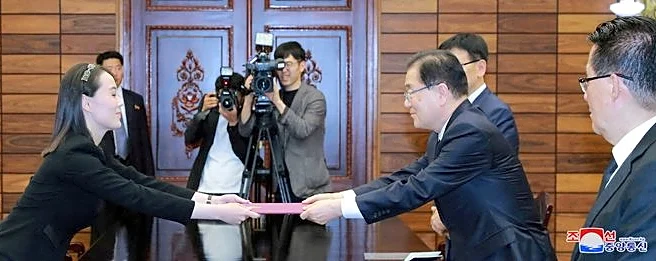
The core problem wasn't a lack of vision; it was the subject matter itself. Released in 2000, 'Joint Security Area' tells the story of a forbidden friendship between soldiers from North and South Korea stationed in the Demilitarized Zone (DMZ), the most heavily fortified border on Earth. In a nation where the Korean War's wounds were still raw and the National Security Act could be used to punish anyone depicting North Koreans sympathetically, Park's humanistic approach was profoundly controversial. He and his producers worried about potential legal repercussions, including arrest, for showing enemy soldiers as ordinary, relatable people. This wasn't just a creative risk; it was a political one. Investors were terrified, seeing the project as a guaranteed box office bomb with the added threat of government backlash. Getting the movie financed was a monumental struggle against a tide of political fear and commercial skepticism.
A Crisis Averted by Conviction
The film only exists because of the conviction of its director and his production company, Myung Films. They championed the story, which was adapted from a novel called 'DMZ,' believing in its power to connect with audiences. Their timing, while risky, was also accidentally perfect. The film’s release coincided with a period of unprecedented diplomatic warming between North and South Korea, known as the "Sunshine Policy." This atmosphere of détente made the public more receptive to a story of cross-border humanity than they might have been just a few years earlier. The film, which could have been seen as dangerously subversive, instead tapped directly into a national yearning for reconciliation. The gamble wasn't just on the story, but on the shifting mood of an entire country.
From Controversial Bet to National Phenomenon
Upon its release, 'Joint Security Area' didn't just avoid failure; it became a cultural phenomenon. It shattered box office records to become the highest-grossing film in South Korean history at the time. The movie's nuanced, Rashomon-style narrative and its powerful emotional core captivated the nation. Its success proved that Korean audiences were hungry for complex, homegrown stories that engaged with their own history and identity. For Park Chan-wook, the runaway success of 'JSA' granted him the one thing a struggling artist needs most: creative freedom. The commercial and critical clout he gained allowed him to pursue the darker, more stylistically daring projects that would make him an international icon, including his legendary Vengeance Trilogy.