





It All Starts With the Script
Before a single agent is called, the casting director's job begins with a deep dive into the screenplay. They collaborate closely with the director and producers to understand not just the plot, but the soul of each character. This isn't just about noting
age ranges or physical descriptions. For a prestige film, it's about dissecting motivations, backstories, and the subtle emotional currents that define the story. A casting director reads the script multiple times, creating detailed breakdowns for every role, from the lead to the smallest day player. This foundational work ensures they aren't just looking for an actor, but for a human being who can embody the specific vision of the filmmaker.
The Art of the Master List
With a deep understanding of the characters, the casting director begins creating the infamous “lists.” These are carefully curated documents of potential actors for each major role. For a prestige picture, this list is a strategic puzzle. It must balance bankable stars who can generate box office buzz and awards attention with lesser-known actors who might be a more perfect, authentic fit for a role. Casting directors are constantly scouting for new talent, attending theater productions, and watching independent films to find fresh faces. The director and producers will review these lists, and a collaborative debate begins. This stage is a delicate dance of artistic vision, commercial viability, and actor availability—a process that can take weeks or even months.
Beyond the Audition: The Chemistry Read
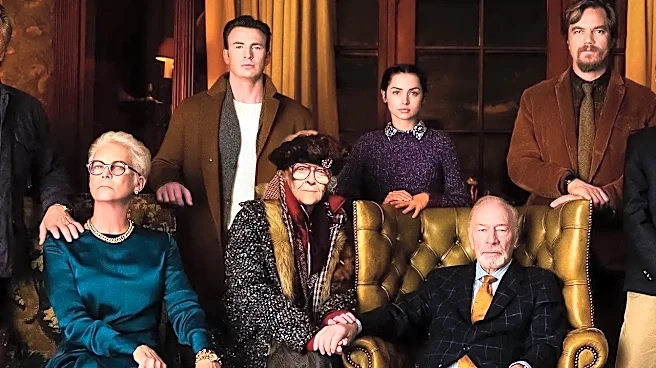
A great performance isn't created in a vacuum, especially in an ensemble piece. This is where the “chemistry read” becomes essential. After initial auditions or self-tapes, promising actors are brought back to read scenes with other potential co-stars. The goal is to see if an authentic, believable dynamic exists between them. Directors and casting directors observe the subtleties of body language, timing, and how the actors listen and respond to one another. Does a romantic pair have a spark? Do a group of friends feel like they have a shared history? These sessions can reveal unexpected pairings that elevate the material, showing a connection that individual auditions simply can't. For an ensemble film, this is where the cast truly begins to take shape as a cohesive unit, not just a collection of individuals.
The Intangibles: Instinct and Persuasion
While much of casting is logistical—managing schedules, negotiating contracts, and liaising with agents—a huge part of it is pure instinct. A great casting director can see potential in an actor that others might miss and can champion that choice to a sometimes-resistant director or studio. They often become the actor's biggest cheerleader in the room, providing notes and adjustments during auditions to help them align with the director's vision. Sometimes the hardest part of the job isn't finding the talent, but getting a group of executives, producers, and the director to all agree on the final ensemble. The casting director’s role is to guide that consensus, ensuring the final group feels organic, authentic, and serves the story above all else.
Building the Final Puzzle
Assembling the final cast is like putting together a complex puzzle where every piece affects the others. The first actor cast often sets the tone and can make it easier to attract other talent. The process involves balancing different acting styles and personalities to ensure the entire cast is making the same movie, tonally. It's about creating a functional team that can work well together on set. Once the leads are locked, casting directors often work with local CDs to fill out the supporting roles in the shooting location, ensuring every face on screen contributes to the film's world. This final assembly brings months of work to a close, creating the on-screen family, team, or group of rivals that audiences will hopefully remember for years to come.