



He's an Icon, Not a Character
Most movie villains have motives. Freddy Krueger wants revenge, and Ghostface always has a personal vendetta. Michael Myers has nothing. He is, as director John Carpenter intended, merely 'The Shape'. He doesn't talk, he doesn't run, and his reasoning
is a complete void. That terrifying blankness is his primary appeal. He is less a person and more a force of nature, an unstoppable, unknowable evil in a boiler suit and a hauntingly vacant mask. Fans don't show up for complex character development; they show up to watch a mythic boogeyman do what he does best. Each film isn't a story to be critiqued on its narrative merits but another chapter in a modern folktale. The consistency of the character, even across wildly inconsistent films, is the draw.
The Power of a Seasonal Ritual
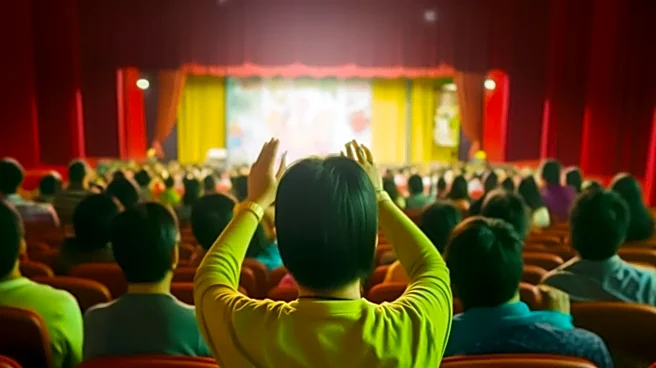
A new 'Halloween' movie is, for its most ardent followers, less a cinematic release and more a seasonal event. Much like watching 'A Christmas Story' in December, seeing Michael Myers on the big screen in October has become a ritual. The experience is communal and deeply tied to the holiday itself. This transforms the act of moviegoing from a simple consumer choice into a tradition. Fans aren't just buying a ticket; they're participating in an annual cultural gathering. The theater becomes a modern campfire, and the story being told is a familiar, frightening one. The film's quality is secondary to the act of participation, much like a sports fan showing up for their team, win or lose.
A Different Definition of 'Good'
Horror aficionados, and slasher fans in particular, often operate with a different critical lens. The franchise has survived entries with abysmal reviews, proving that box office success and critical acclaim are often unrelated for this genre. The enjoyment comes from a specific set of expectations: the creativity of the kills, the suspenseful stalking sequences, and the atmosphere. A 'good' 'Halloween' movie isn't necessarily one with a tight script or Oscar-worthy performances. It’s one that delivers on the primal formula. Did Michael feel imposing? Were the scares effective? Did the music slap? For this audience, these are the metrics that matter, and they can't be measured by a thumbs-up or thumbs-down review.
The Enduring Legacy of Laurie Strode
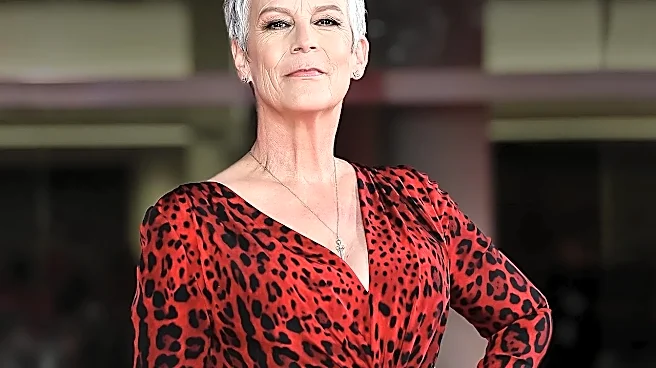
You can't talk about Michael Myers without talking about Laurie Strode. Jamie Lee Curtis's return to the franchise, particularly in the recent trilogy, was a masterstroke that re-energized the fanbase. She is the original 'final girl', and her presence lends an emotional weight and legitimacy to the films that fans cherish. Curtis herself considers the character her legacy, a symbol of a survivor who never gives up. For many viewers, her story is the emotional core of the franchise. They aren't just there to see Michael; they're there to see Laurie fight back. Her involvement provides a seal of approval that transcends any individual review, promising a meaningful connection back to the 1978 original.