








The NFL Blueprint for Attrition
Every NFL fan understands the brutal math of a season. Your star quarterback might be an MVP candidate, but his blindside is protected by a left tackle whose backup needs to be ready for the one play that changes a season. The 53-man roster isn't just
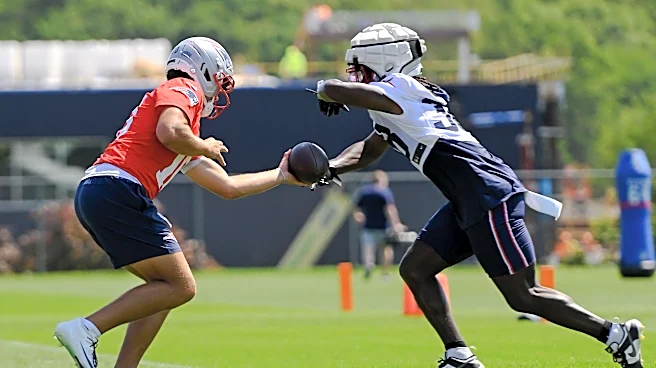
a collection of players; it's an insurance policy and a tactical toolbox. You have specialists for special teams, nickel cornerbacks for passing downs, and a third-string running back who can grind out a crucial first down in December. The 'next man up' philosophy isn't just a cliché; it's the structural principle of a league where the injury rate hovers near 100%. A team's Super Bowl hopes often depend less on its All-Pros and more on the quality of players #25 through #53 on the depth chart.
Soccer’s Marathon, Not a Sprint
Now, let’s look at the world’s game. An NFL team plays once a week. A top European soccer club, however, is fighting a war on three or four fronts. They’ll play a 38-game league season, plus two different domestic cup tournaments, and—if they’re good enough—the grueling Champions League or Europa League. That can easily add up to 55-65 games between August and May. That’s the equivalent of playing three full NFL regular seasons back-to-back, with international breaks sprinkled in for good measure. The wear and tear is immense. Muscle strains, fatigue, and impact injuries are not a risk; they are a certainty. A team trying to win a championship with only 14 or 15 top-tier players will inevitably see their challenge collapse from sheer exhaustion and injury by March.
The Five-Sub Revolution
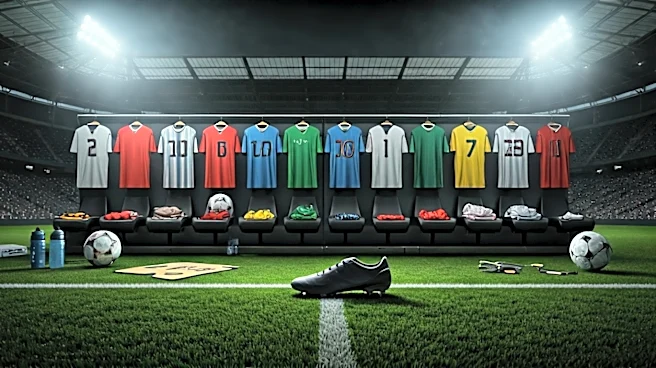
For decades, soccer managers had only three substitutions. This forced them to be conservative, often saving subs for late-game injuries or a single desperate tactical throw of the dice. But the permanent shift to five substitutions has fundamentally changed the sport. It's the soccer equivalent of the NFL expanding its active gameday roster mid-decade. Now, a manager can change half of their outfield players. This isn’t just about replacing tired legs anymore; it’s a massive strategic weapon. A coach can bring on fresh, fast wingers to attack worn-down defenders, introduce a defensive midfielder to protect a 1-0 lead, or even swap out both strikers for a completely different look. A deep bench means a manager can effectively coach two different games: the one that starts and the one that finishes.
A Toolbox of Tactical Solutions
Just like an NFL coach has a specific personnel package for a 3rd-and-long situation, a soccer manager uses their bench to solve problems in real time. Is the opponent sitting back and defending? Bring on a creative attacking midfielder who can unlock a defense with a clever pass. Are you getting dominated in the air on corner kicks? Sub on a towering central defender to neutralize the threat. The best teams have a 'Plan B' and 'Plan C' sitting right on their bench. A player might not be good enough to start every week, but his specific skill set—raw pace, defensive grit, or aerial prowess—can be the key to securing three points in the 80th minute. This transforms the bench from a holding pen for backups into a dynamic, tactical resource.