





A Vision Born from Tradition
The story of MaXhosa begins with a deeply personal and culturally significant Xhosa tradition. Designer Laduma Ngxokolo sought to create a modern knitwear line for young Xhosa men, known as 'amakrwala', who undergo an initiation rite. After this rite of passage,
they are traditionally expected to adopt a new, more dignified style of dress. Ngxokolo, having gone through the ritual himself, saw an opportunity to create premium apparel that was both contemporary and deeply rooted in Xhosa aesthetics, which were missing from the available Western-style options. Founded in 2011, his brand was a direct response to this need, aiming to provide initiates with clothing that celebrated their heritage in a modern world. This initial vision laid the groundwork for what would become a global luxury brand, one that treats culture not as a fleeting trend, but as its very foundation.
The Language of Bold Color
Color in Laduma Ngxokolo’s work is never arbitrary; it is a deliberate and expressive language. His collections are known for their flamboyant and bold aesthetics, standing in stark contrast to the minimalist trends that often dominate global fashion. This vibrant palette is drawn directly from Xhosa cultural expression, where specific colors carry deep symbolic meaning. For example, in traditional contexts, red can symbolize bravery, while white represents purity and spirituality. While Ngxokolo modernizes these codes for a contemporary audience, his prioritization of color is a nod to its importance in Xhosa visual culture. The result is a collection of garments that are instantly recognizable, using rich and contrasting hues to tell a story and create a powerful emotional connection.
Geometry as Living Heritage
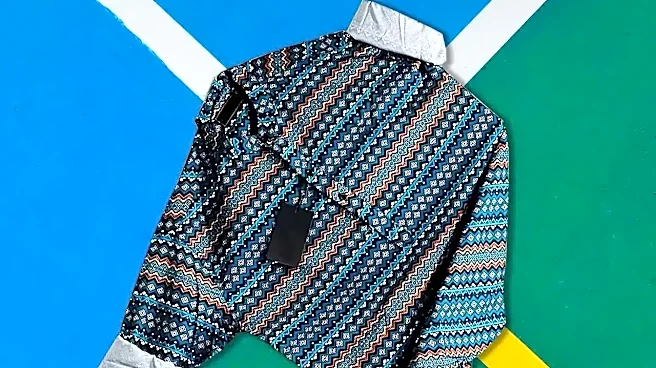
The defining visual signature of the MaXhosa brand is its intricate geometric patterns. These are not mere decorations but are direct reinterpretations of traditional Xhosa beadwork. Ngxokolo discovered that the process of creating digital knitwear designs closely mirrors the practice of beadwork, where tiny units of color are assembled to form a holistic pattern. Motifs like diamonds, zig-zags, and arrows are hallmarks of his designs, each echoing patterns found in historical garments and artifacts. These geometric forms are deeply symbolic in Xhosa culture, representing everything from celestial bodies to life stages. By engineering these patterns directly into the structure of his knitwear, Ngxokolo transforms textiles into “wearable cultural artifacts,” embedding heritage into the very fabric of his creations.
Weaving a Modern Cultural Memory
At its core, Ngxokolo's work is an act of cultural preservation and evolution. He has stated that his goal is to imagine how Xhosa people might have dressed today if colonialism had not disrupted their cultural identity. His brand philosophy is that culture should be celebrated daily, not just on special occasions. MaXhosa serves as a vehicle for this, making heritage accessible, modern, and wearable for a global audience. This approach has been lauded as a form of cultural continuity, repositioning African craftsmanship from the margins to the center of authorship. By building one of the continent's first true heritage luxury brands, Ngxokolo provides an educational and aspirational touchpoint, allowing people to learn about South African history and culture through tangible, beautifully crafted designs.
From South Africa to the World Stage
The brand's unique fusion of tradition and modernity has captured the attention of the global fashion industry. MaXhosa has been showcased on major runways from Paris to New York and featured in prestigious museums. Recently, the label became the first South African brand to stage a full runway show on the official Paris Fashion Week calendar, a landmark achievement. This international recognition, sometimes earning the brand the nickname “the Missoni of Africa,” signifies a shift in how African luxury is perceived. Instead of being seen as a source of inspiration for Western designers, Ngxokolo's work asserts African design as a vocabulary of its own, proving that luxury can be homegrown, deeply rooted in heritage, and globally resonant.