









The Anatomy of an Unlikely Anthem
Sports anthems are rarely chosen; they just happen. They’re born in the stands, fueled by hope, and consecrated by victory. This summer, John Denver’s “Take Me Home, Country Roads” became the unofficial hymn of the U.S. Men’s National Team. It wasn’t
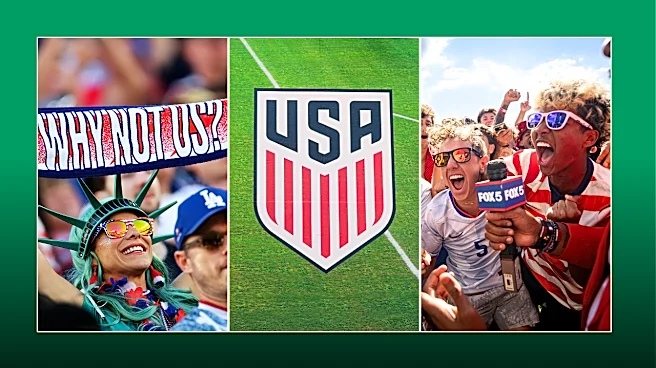
a marketing ploy. It started when FIFA, working from a playlist submitted by U.S. Soccer, played the song after the team’s group stage win over Australia. The sell-out crowd of nearly 67,000 spontaneously sang along, their voices drowning out the stadium speakers. The song’s vague, nostalgic lyrics about home and belonging allowed fans from every corner of a divided nation to see themselves in it, creating a rare moment of unity. Soon, it was a ritual. After the next win, the players and coach stayed on the field, singing with the fans in a moment of pure, unscripted joy.
A Summer of Collective Belief
As the U.S. advanced to the knockout rounds, “Country Roads” was everywhere. It was the background music in fan-fest videos, the tune hummed in packed sports bars, and the victory cry after a thrilling win over Bosnia and Herzegovina sent the team to the Round of 16. Streaming numbers for the 55-year-old song surged, jumping 20% after one win alone as a new generation discovered it. More than a song, it became an audible manifestation of belief. In a country where soccer often takes a backseat, the anthem provided an easy entry point. You didn’t need to know the offside rule to feel the swell of emotion when tens of thousands sang in unison. It was an experience of “collective effervescence,” a term sociologists use for the feeling of connection in a shared, emotional moment. For a few weeks, that simple folk song made it feel like anything was possible.
The Music Stops
And then came the Round of 16 match against Belgium. In a packed stadium in Seattle, the energy was electric, a culmination of weeks of growing hope. But the dream unraveled. A talented Belgian side proved too strong, and the U.S. fell in a decisive 4-1 loss. The final whistle brought a familiar, crushing silence. The sea of red, white, and blue fell quiet, the face-painted fans suddenly still. In that moment, the anthem of the summer became a ghost. For fans who had ridden the emotional wave, the loss was brutal. Hearing the opening chords of “Country Roads” in the days that followed was no longer a call to celebration, but a trigger for disappointment. The melody that had lifted spirits now felt like a sad reminder of what could have been.
The Bittersweet Afterlife of an Anthem
This is the cruel bargain of a sports anthem. Its power to amplify joy is matched only by its power to deepen sorrow. The song becomes intrinsically linked to the memory of the team, its soaring chorus tied to the soaring hope, its final notes a memorial to the abrupt end. It joins a long list of songs forever changed by sports history—tunes that make fans of a losing team wince, even years later. It hurts because it mattered. The song is now woven into the fabric of American soccer culture, a testament to a summer when the country dared to dream, sang its heart out, and ultimately, had its heart broken. It’s a painful artifact, but it’s also proof of passion. And in the world of sports, that’s a legacy in itself.