




The Fortress of Formality
To understand the current tension, you first have to appreciate just how serious Royal Ascot is about its clothes. This isn't the Kentucky Derby, where a festive hat is merely encouraged. At Ascot, especially in the hyper-exclusive Royal Enclosure, the dress
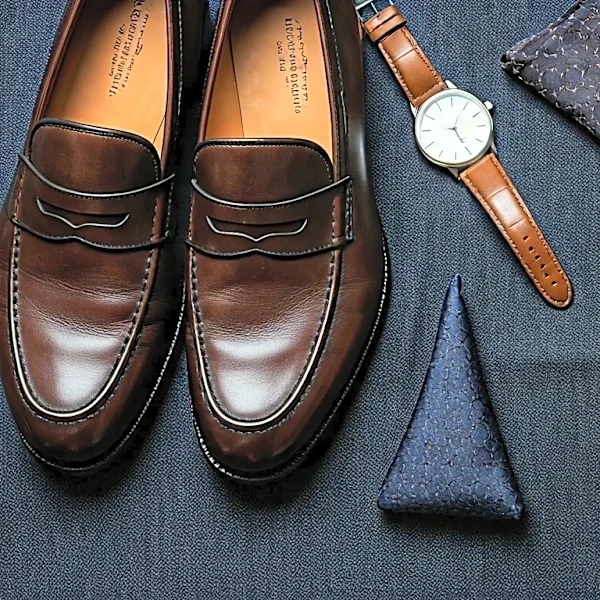
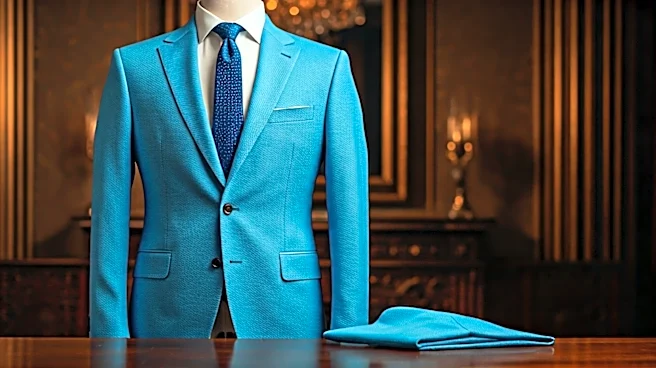
code is a set of commandments enforced by on-site “style police.” For decades, the rules were ironclad. For women: dresses of a “modest length” falling just above the knee or longer, straps of at least one inch, and no strapless, off-the-shoulder, or halter styles. For men: a full morning suit in black, grey, or navy, complete with a waistcoat, tie, and a top hat. The code is a meticulously preserved relic of Edwardian decorum, a sartorial fortress designed to keep the modern world’s casual creep at bay and maintain a standard of elegance found almost nowhere else.
The Trouser-Suit Rebellion
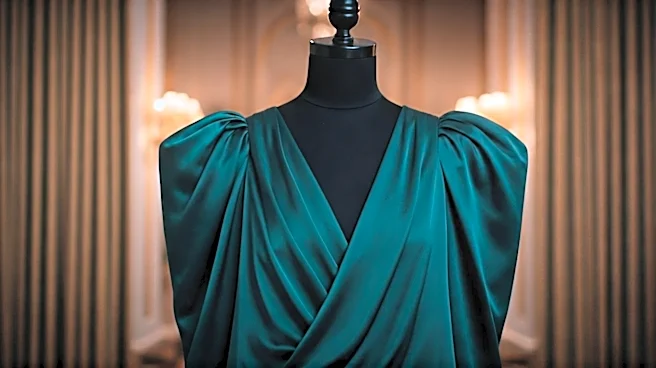
The first major crack in the fortress appeared in the form of the jumpsuit. For years, trousers of any kind were strictly forbidden for women in the Royal Enclosure. They were seen as informal and a radical departure from the expected feminine silhouette. But as trouser suits and jumpsuits became staples of high fashion, the pressure mounted. In 2017, after years of debate and seeing stylish women turned away, organizers made a landmark concession: full-length jumpsuits that adhered to the other modesty rules were officially permitted. It was a quiet revolution. Suddenly, a modern, powerful, and comfortable alternative to the dress was on the table. Worn by socialites and even younger royals, the jumpsuit was the first clear victory for a generation that valued contemporary chic as much as classic tradition.
A Hat Is Not Just a Hat
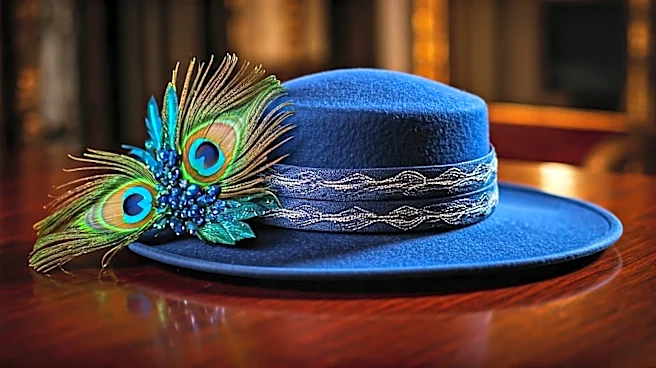
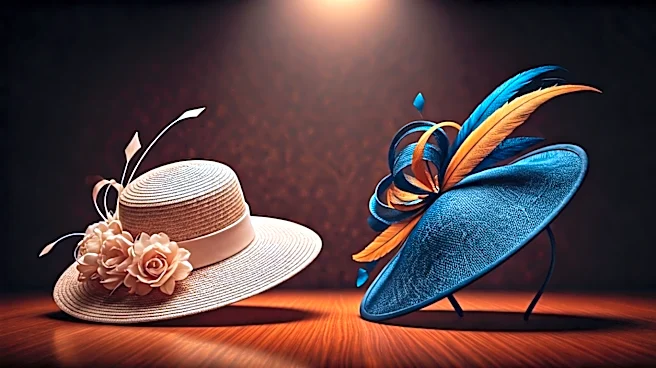
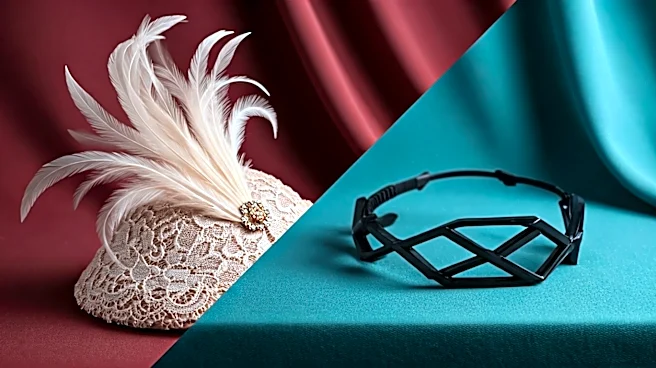
Nowhere is the generational divide more visible than in the headwear. The Royal Enclosure’s rule states that a hat must be worn, or a headpiece with a “solid base of 4 inches or more in diameter.” For traditionalists, this means a proper, structured hat—a grand, sculptural creation that makes a statement. But for many younger attendees, this feels costume-like and dated. Instead, they are pushing the rule to its absolute limit, opting for chic headbands and delicate “hatinators” (a hybrid of a hat and a fascinator) with bases that *just* meet the 4-inch minimum. To the old guard, it’s a cheeky circumvention of the spirit of the law. To the new guard, it’s simply a modern interpretation, a way to participate in the pageantry without looking like they’ve stepped out of a historical drama.
Why Tradition Is Under Siege
This isn't just about clothes; it’s a microcosm of a larger cultural shift. The generations raised on social media and the gig economy are less inclined to accept rigid rules without questioning them. They value personal expression and authenticity over uniform conformity. The so-called “fight” over Ascot’s dress code is really a negotiation: how can long-standing institutions remain relevant in a world that has largely abandoned formality? The pressure to be “Instagrammable” also plays a significant role, favoring fashion-forward looks that photograph well over purely traditional ones. It’s less a rebellion against the institution itself and more an earnest push for traditions to evolve with the people who are expected to uphold them.