


It’s the classic dilemma: a gorgeous, sunny afternoon that gives way to a surprisingly chilly night. Whether you're at a fall tailgate, an outdoor concert, or a rooftop bar, nobody wants to be the person shivering in a t-shirt after sunset.
The Three-Layer System: Your Blueprint for Comfort
Dressing for
a major temperature swing isn't about wearing a huge coat; it's about a smart, adaptable system. The pros call it the three-layer system, and it’s the key to all-day comfort. It consists of a base layer for moisture, a mid-layer for insulation, and an outer layer for protection. The trick is that you don't have to wear all three at once. You assemble the outfit based on the forecast, bringing the final layer along for when you need it. This approach gives you the flexibility to add or remove pieces as the day evolves, so you're never too hot or too cold.
Layer 1: The Base Layer That Breathes
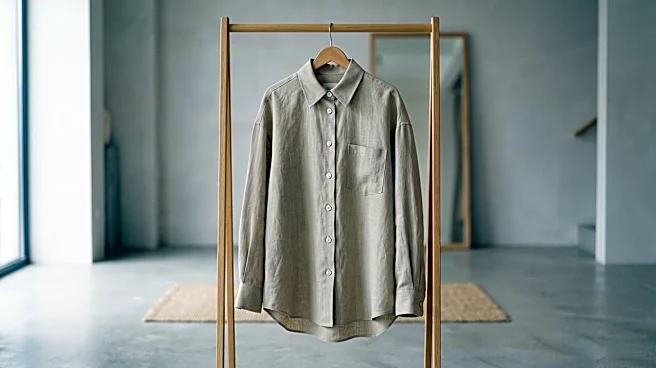
Think of this as the foundation. Your base layer sits next to your skin, so its main job is to be comfortable and manage moisture, not to be bulky. Cotton is fine for a casual day, but if you're active, fabrics like merino wool or modern synthetics are even better because they pull sweat away from your skin and dry quickly, preventing that clammy, chilled feeling later on. A simple, well-fitting tee, a silk camisole, or a long-sleeve top in a breathable fabric makes a perfect starting point that looks great on its own when the sun is still out.
Layer 2: The Mid-Layer Workhorse
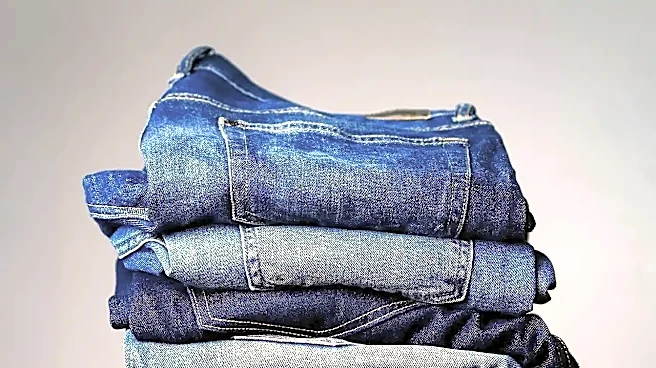
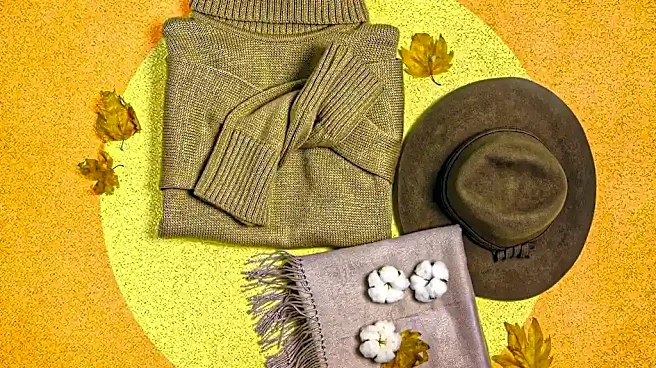
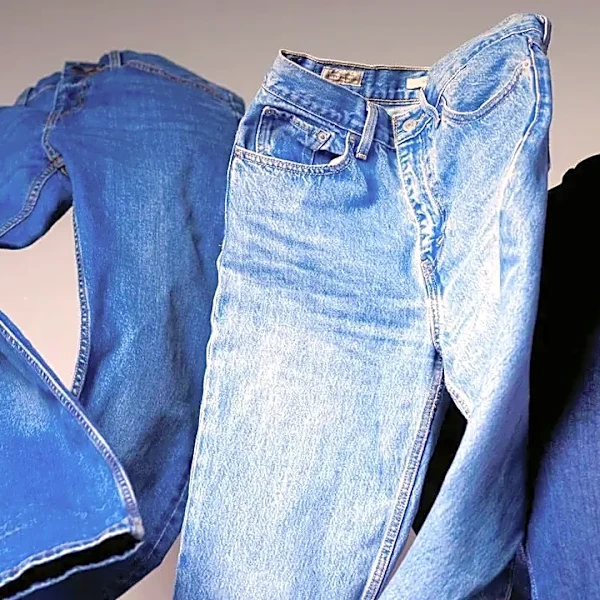
This is your insulating layer, but it's also your main style piece for much of the evening. It’s what provides the majority of your warmth. This could be a stylish cardigan, a lightweight cashmere or merino wool sweater, a classic denim jacket, or a fleece. The goal is warmth without excessive weight or bulk. The beauty of the mid-layer is its versatility. You can wear it, drape it over your shoulders, or tie it around your waist. A zip-up or button-front style offers the most adjustability as the temperature fluctuates.
Layer 3: The Outer Shell You Carry
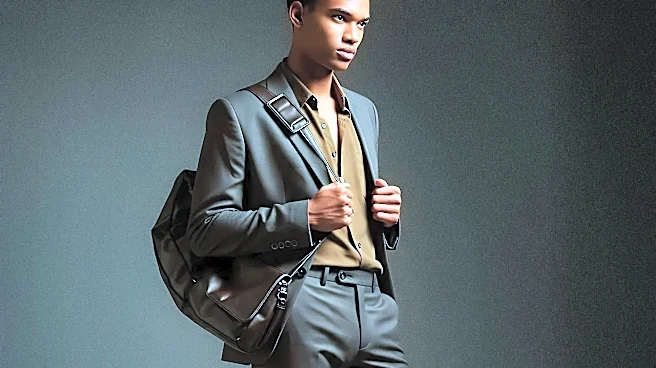
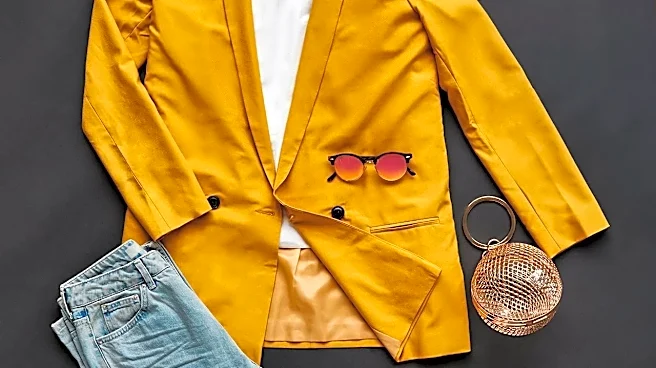
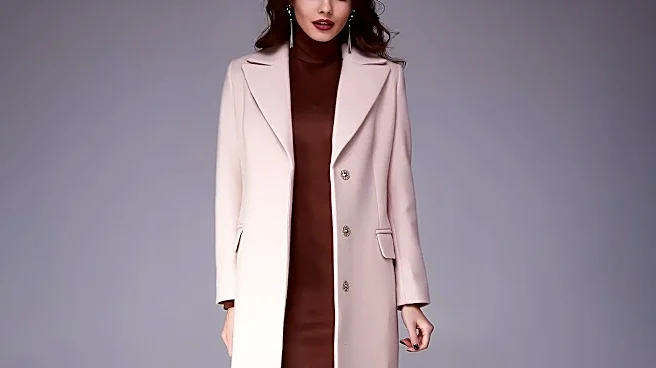
This is your ace in the hole for when the cold really sets in. Your outer layer is the one you'll likely carry with you, so packability is key. It should shield you from wind or an unexpected drizzle. A lightweight trench coat is a timeless option that works for both casual and dressy events. Other great choices include a packable puffer jacket, a structured blazer, or even a large, highquality pashmina or scarf that can be worn as a wrap. This layer doesn't need to be a heavy winter coat; it just needs to provide that final seal of warmth over your other layers.
Putting It All Together: Smart Accessories and Footwear
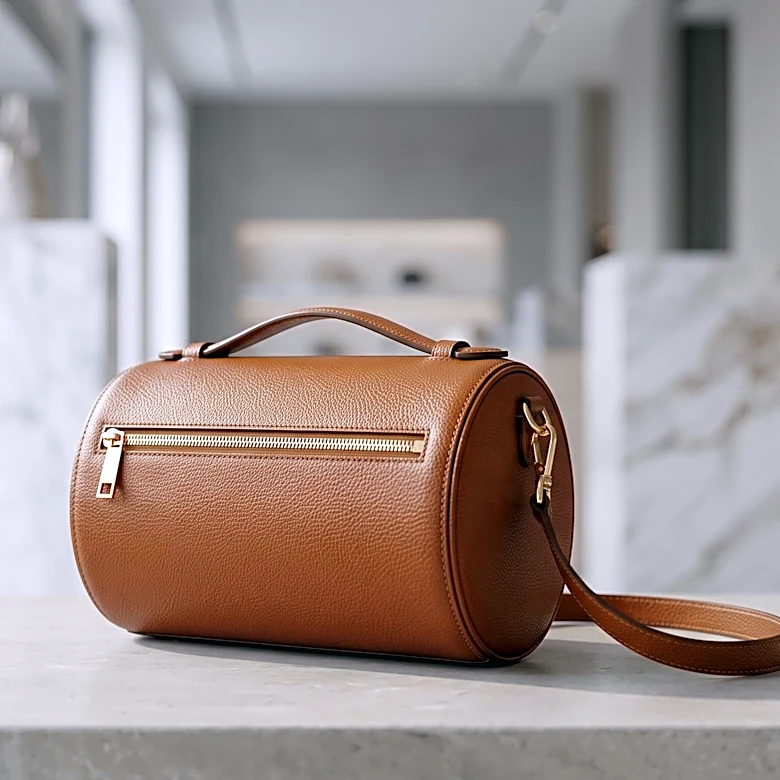
Your core layers are set, but accessories can make a huge difference. A stylish scarf is arguably the most versatile transitional piece you can own, adding a pop of color and significant warmth when you need it. A beanie is easy to stuff in a pocket or bag and provides instant warmth. When it comes to footwear, think ahead. Opentoed shoes that felt great at 4 p.m. can lead to frozen toes by 9 p.m. Unless the occasion strictly calls for them, closedtoe shoes like loafers, sneakers, or boots are a much safer bet for daytonight comfort.