







The Powerful Pull of the Familiar
There's a reason your family gravitates toward rewatching a classic or catching the latest sequel after a big holiday meal. It's not just about tradition; it's psychology. Choosing a familiar movie, especially one steeped in nostalgia, requires significantly
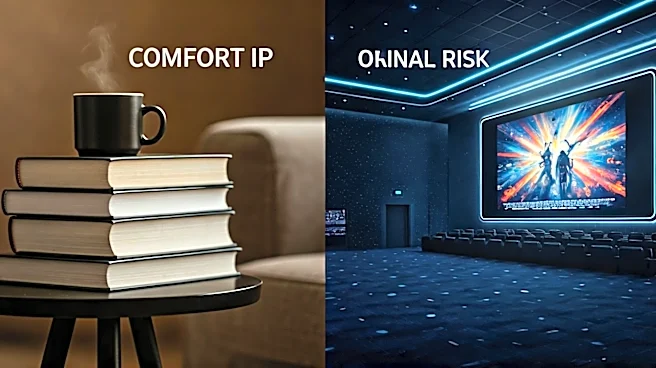
less cognitive effort. Our brains, already overloaded from travel, cooking, and social obligations, seek the path of least resistance. Known intellectual property (IP)—be it a superhero saga, an animated sequel, or a reboot of a beloved classic—offers a predictable, low-stress experience. Research shows that watching these films can trigger the release of feel-good chemicals like serotonin and dopamine, genuinely boosting mood and providing a sense of comfort and control in a hectic time. It’s a guaranteed emotional payoff, a form of cinematic comfort food that promises a happy ending when real life feels uncertain.
Why Holiday Viewing Is Different
Moviegoing during the holidays is a unique beast. It's often a group activity, which means consensus is king. An individual’s desire to see a challenging, auteur-driven film is easily vetoed by the need to find something a grandparent, a teenager, and a toddler can all agree on. This is where big-ticket IP like animated sequels or sprawling sci-fi adventures thrive. The box office results from the 2025 Christmas season bear this out, with blockbusters like "Avatar: Fire and Ash" and "Zootopia 2" dominating. These films aren't just movies; they are events designed for multi-generational appeal. They provide a shared cultural touchstone that simplifies decision-making for exhausted families simply looking for a couple of hours of escapism together.
When Does Originality Break Through?
While comfort IP rules the holiday roost, it doesn't mean original films stand no chance. For an original to succeed amidst the franchise noise, it needs to become an event in its own right. This usually requires a perfect storm of critical acclaim, massive audience buzz, and often, the promise of awards. A film like 2025's surprise hit "Marty Supreme" managed to beat expectations through a combination of star power, rave reviews, and a viral marketing campaign. These risky originals offer a different kind of reward: the thrill of discovery. They give audiences a chance to be in on the ground floor of what might become a future classic—the movie everyone will be nostalgically rewatching in ten years. But it’s a high-wire act that requires a compelling hook and near-universal praise to convince groups to take the plunge.
How Studios Play the Game
Hollywood studios aren't just responding to audience habits; they are actively shaping them. The holiday release schedule is one of the most fiercely contested and strategic periods in the film calendar. Studios use the concentrated window of time off work and school to launch their safest, most bankable assets. They know that built-in fanbases for sequels and franchises reduce marketing costs and increase the odds of a blockbuster opening. However, they also use this time for counter-programming. A smaller, critically-acclaimed original might be released during this window specifically to build momentum for awards season. This creates a two-tiered system: massive franchise films designed to capture the broad family audience, and prestigious original dramas aimed at adults looking for something more substantive. It’s a calculated strategy to ensure that, no matter what an audience is looking for, the studio has a product ready for them.