




Anatomy of Kitchen Chaos
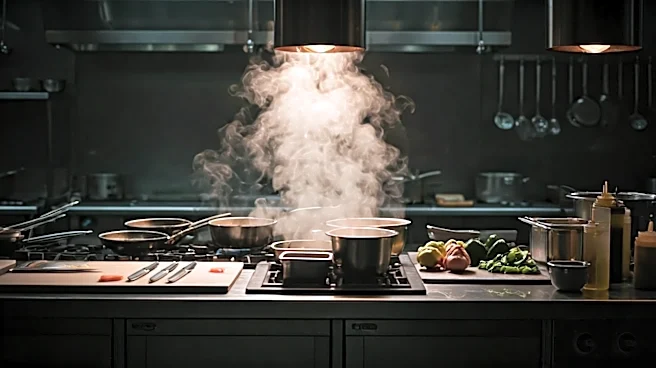
Before diving into the technical wizardry, it’s important to appreciate the environment 'The Bear' throws us into. The kitchen at The Original Beef, and later The Bear, is a character in itself. It's cramped, chaotic, and unforgiving. The dialogue is a symphony
of overlapping orders, personal insults, and desperate calls of “Corner!” and “Behind!”. Creator Christopher Storer and his team established this high-pressure world not just through sharp writing and brilliant performances, but by making the space itself feel oppressive. This foundation of a physically and emotionally tight space is crucial; it’s the powder keg waiting for a match. The constant tension between Carmy's fine-dining ambitions and the kitchen's gritty reality creates a baseline of stress that the show’s signature camera work then amplifies to an almost unbearable degree.
The 'One-Take' Haymaker
The 'one blocking trick' boils down to a powerful filmmaking technique: the long, unbroken take, also known as a 'oner.' While many shows use quick cuts to create a sense of energy, 'The Bear' does the opposite to achieve its signature intensity. Blocking—the choreographed movement of actors and the camera—becomes a breathtaking dance of chaos. The most famous example is Season 1’s seventh episode, “Review,” which features a stunning, nearly 18-minute continuous shot. After a pre-order system goes haywire, the camera plunges into the kitchen and doesn't cut away. It weaves, pivots, and follows characters as they spiral, colliding with each other both physically and emotionally. This isn’t just a stylistic flourish; it’s a narrative weapon.
Trapping the Audience Inside
The psychological effect of the long take is immense. By refusing to cut, the camera denies the audience any relief. There’s no looking away, no moment to catch your breath. You are trapped in that kitchen with Carmy, Sydney, and Richie. As actor Jeremy Allen White explained, the technique ensures there's "no reprieve—it's consistent." You feel the walls closing in as the ticket machine spews endless orders. The camera’s movement mimics the characters' frantic energy, making the viewer a participant in the meltdown rather than a passive observer. This forced intimacy makes the arguments more visceral, the mistakes more costly, and the rising panic infectious. It’s the difference between watching a pressure cooker and being sealed inside of it.
A Flashback Fueled by Tension
The show expanded on this philosophy in Season 2's standout episode, “Fishes.” While not a single take, the hour-plus flashback to a chaotic Berzatto family Christmas uses a similar approach to build tension. The camera drifts through a crowded house, capturing simmering resentments and emotional explosions with an unnerving, fly-on-the-wall perspective. Editor Joanna Naugle noted they treated the bubbling tension like a pot of water about to boil over, with the camera lingering on reactions to heighten the anxiety. By immersing the viewer in the family's deep-seated dysfunction, the episode provides crucial context for why these characters are the way they are, using the same claustrophobic energy of the kitchen scenes to explain their origins.
More Than Just a Stunt
Ultimately, the use of long takes and intricate blocking isn't just a technical stunt to impress film buffs. It's a tool used in perfect service of the story. The relentless, uncut sequences mirror the internal state of the characters, especially Carmy, whose mind is often a whirlwind of grief, trauma, and culinary obsession. The chaos of the kitchen is a physical manifestation of their emotional turmoil. The camera’s refusal to look away forces us to confront the raw, messy, and often painful reality of their lives. When the show finally does offer a moment of quiet or a slower pace, the relief is profound, making those instances of connection and beauty feel all the more earned.