




Copenhagen's Unique Appeal
Before we talk about buying, let’s talk about the vibe. Unlike the more established fashion capitals of Paris or Milan, Copenhagen Fashion Week (CPHFW) has a reputation for being different. It's younger, born in 2006, and built on a foundation of sustainability
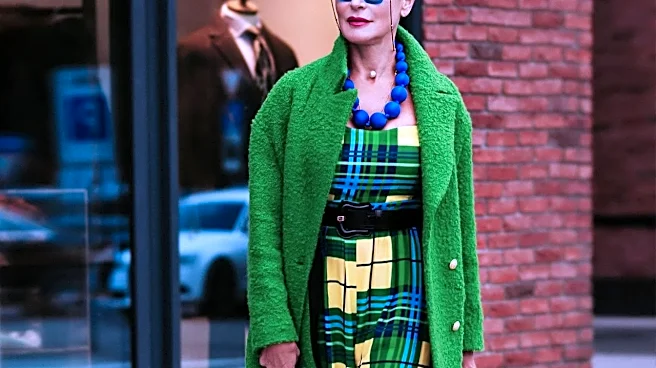
and genuine wearability. Brands showing here must meet a strict set of 18 sustainability requirements, a standard unheard of at other major fashion weeks. This ethos attracts a crowd that values practicality and personal expression over pure runway fantasy. The result is a street style scene that feels authentic, aspirational, and, most importantly for buyers, reflective of how real, stylish people want to dress. It’s less about peacocking for cameras and more about a joyful, yet practical, approach to getting dressed.
The Street as a Living Focus Group
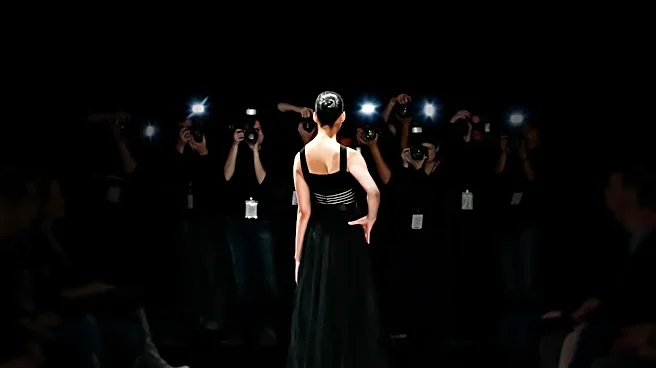
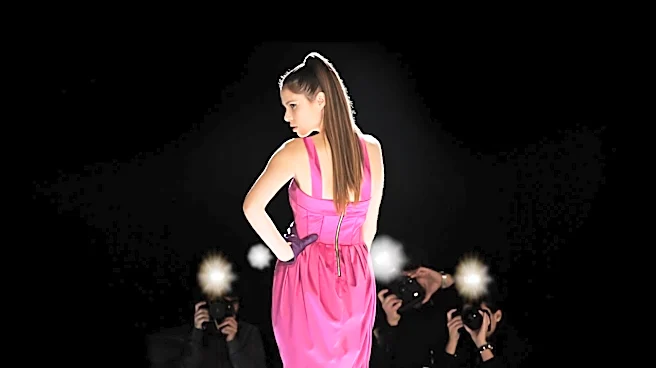
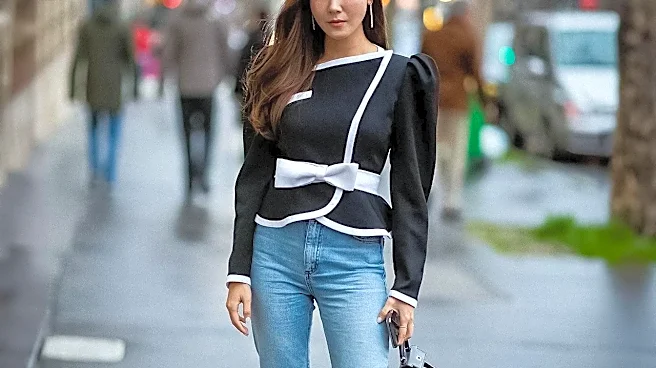
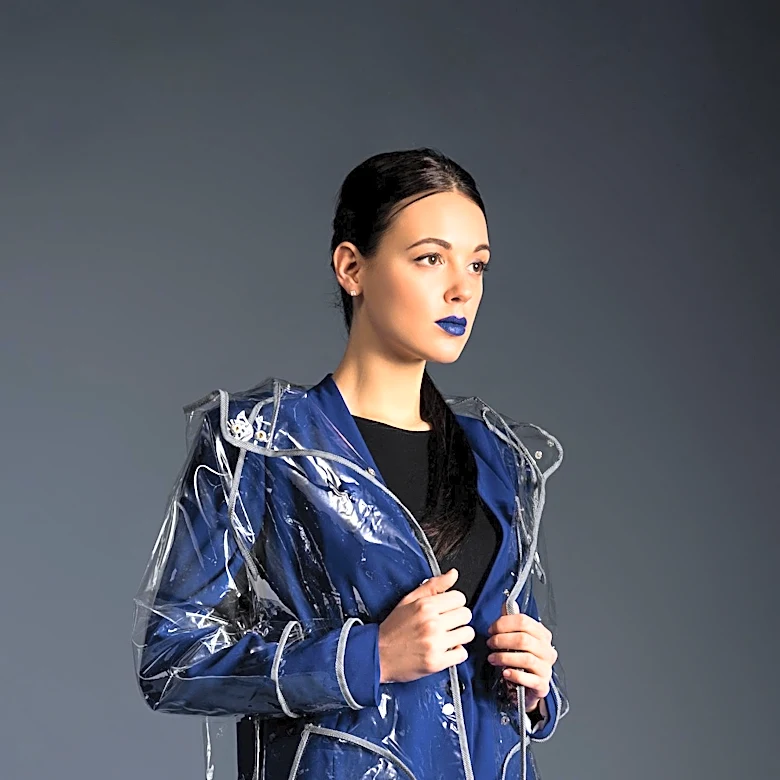
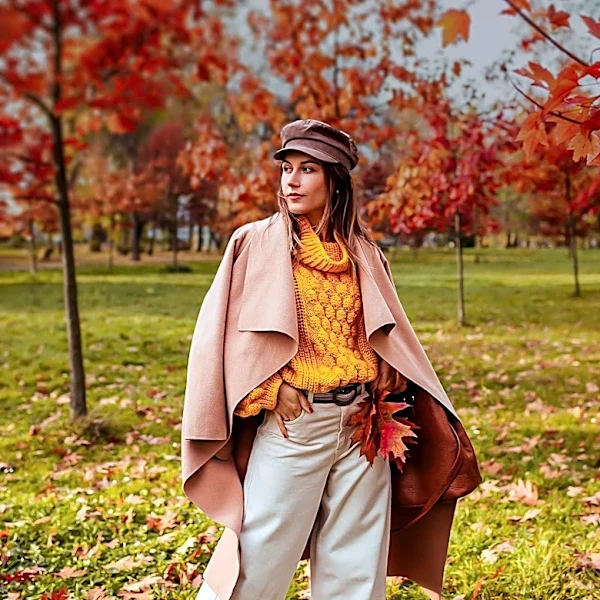
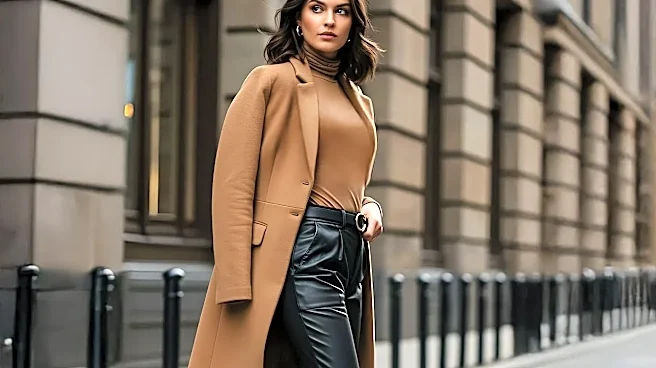
For a buyer from a major department store or online retailer, the runway show is only half the story. The runway is the designer's pure, unfiltered vision. The street, however, is where that vision gets tested. It’s where trends are validated, remixed, and adopted by a discerning public. A buyer might see a particular shade of butter yellow or a specific silhouette like a lace-trimmed skirt on the runway, but seeing it worn in dozens of unique ways by attendees on their way to the show is what confirms its commercial potential. It’s real-time market research. This process isn't just about spotting a single hot item; it's about identifying patterns, like a sudden ubiquity of heeled flip-flops, utility-inspired tailoring, or a specific way of layering a skirt over pants. These are the signals that a trend has legs beyond the catwalk.
From Sidewalk Snapshots to Purchase Orders
So how does it work in practice? Buyers and their teams are on the ground, actively documenting what they see. They're taking photos, making notes, and comparing observations. It's a process of data collection. An experienced buyer, Annette Finseth, has even mentioned assembling a small team of teen customers to get their take on new styles at the trade fairs, blending her market knowledge with their fresh perspective. This information is then cross-referenced with what they see in showroom appointments and on the runways. If the streets are full of people wearing bold polka dots, and a favorite brand is offering a great polka-dot dress in their new collection, the buyer has a powerful data point to justify a significant order. It’s about reducing risk by confirming that there's a genuine appetite for a trend before investing thousands of dollars in inventory.
Translating the Vibe into Wearable Pieces
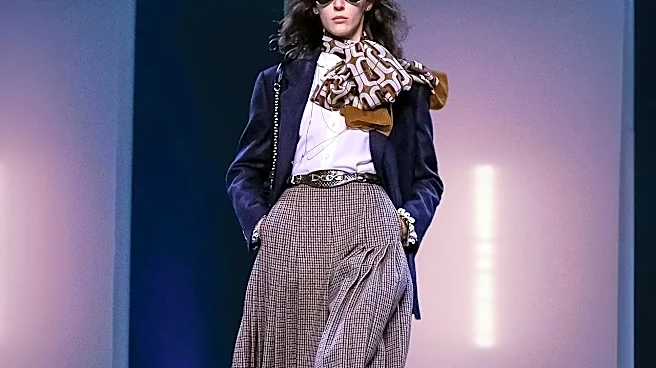
Not everything seen on the streets is ready for the sales floor. The key is translation. A buyer's job is to deconstruct the 'vibe' and identify the core commercial elements. That might mean taking the idea of a statement scarf, seen draped artfully on the runway, and ordering more accessible printed scarves that can be styled in multiple ways. Or it could mean seeing the avant-garde layering of sheer fabrics and translating it into an order for romantic lace-trimmed camisoles and slip skirts that customers can easily integrate into their existing wardrobes. CPHFW is particularly good for this because the style, while creative, is inherently grounded. The fusion of sportswear with tailored pieces or the playful use of color provides a wealth of ideas that are exciting but not intimidating for the average American consumer.