






The Core Mistake: Dressing for the Calendar, Not the Thermometer
The biggest trap in spring dressing is wishful thinking. Mentally, we've moved on to blooming flowers and patio lunches, so we reach for the floral dresses and linen shirts. But in many parts of the U.S., from the Northeast to the Pacific Northwest and the Midwest,
spring temperatures can hover in the 40s and 50s. The sunshine deceives, but the air has a bite. Dressing for summer too early is a common mistake. Instead of abandoning your entire winter closet, the key is a strategic transition. It's not about wearing a heavy winter coat over a sundress; it's about smart, intentional choices that bridge the gap. Think of it as an artful remix of seasons, not a hard switch.
The Layering Game: It's About Strategy, Not Bulk
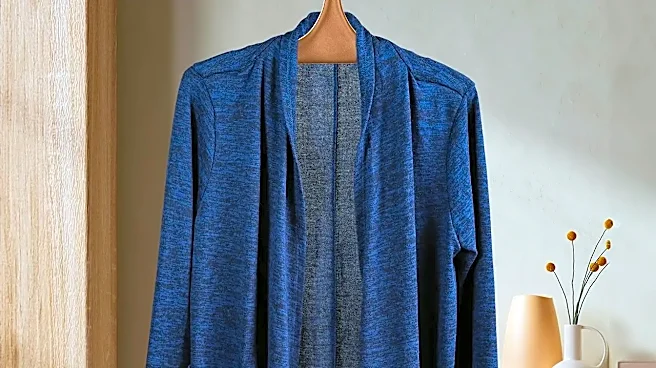
Effective layering is the secret weapon for any transitional season. But piling on random items can feel bulky and unflattering. The goal is to create an adaptable outfit with lightweight layers. Start with a quality base layer, like a soft long-sleeve tee or a fine-knit merino wool top. The magic happens in the middle layer: a stylish vest, a cashmere crewneck, or a chic cardigan adds warmth without the weight of a winter sweater. This approach allows you to easily remove a layer as the day warms up, ensuring you’re comfortable from a chilly morning commute to a sunny afternoon walk. A sweater draped over your shoulders is both functional and stylish, ready for when you need it.
The Outerwear Upgrade: Beyond the Puffer and the Denim Jacket
Your outerwear choice makes all the difference. A heavy winter parka is often overkill for a 50-degree day, while a simple denim jacket may not be enough to cut the wind. This is where transitional jackets shine. A classic trench coat is a timeless staple that provides protection from rain and wind while looking polished. Other excellent options include lightweight wool coats, field jackets, or even an oversized blazer. These pieces provide necessary insulation for cooler temperatures but are light enough that they don't feel like you're still stuck in January. They are the hard-working anchor of a cold-weather spring wardrobe.
The Fabric Fallacy: Not All Spring Fabrics Are Created Equal
While spring brings to mind breathable fabrics like linen and lightweight cotton, holding onto some warmer textiles a bit longer is wise. Fabrics like tropical wool, spring-weight cashmere, and even smoother textures like rayon or Tencel offer warmth without bulk. You can absolutely wear your favorite wool trousers; just pair them with a lighter cotton shirt instead of a chunky knit. The mistake isn't wearing winter fabrics, but wearing the heaviest versions of them. Swapping thick, textured flannel for smoother chambray, or a heavy cable-knit for a fine-gauge merino wool sweater, allows you to feel and look ready for spring without shivering.
The Footwear False Start: Put Away the Sandals (For Now)
Few things scream "I dressed in a hurry" louder than open-toed shoes on a 45-degree day. It's tempting to liberate your feet, but this is one of the easiest ways to get spring style wrong. Heavy winter boots can also feel out of place. The solution lies in transitional footwear. Loafers, stylish leather sneakers, and ankle boots are your best friends during this season. They provide coverage and warmth while feeling lighter and more appropriate for spring than snow boots. Pairing a dress or skirt with boots is a perfect way to mix winter and spring elements.
The Color and Texture Solution: Signal Spring, Stay Warm
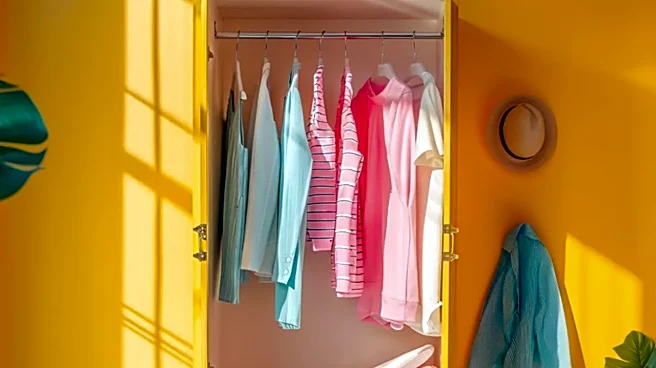
You don't need to sacrifice warmth to embrace the spirit of the season. A simple way to transition your look is by incorporating lighter and brighter colors. Swap your black and navy basics for cream, beige, soft gray, or pastels. Even trading dark-wash denim for a lighter wash can instantly make an outfit feel fresher. Introducing spring prints like florals or stripes through a blouse or a scarf is another low-commitment way to nod to the season. This allows you to rely on the warmth of your favorite sweaters and trousers while visually signaling that you're ready for warmer days ahead.