


The Allure of the Big, Easy Paycheck
Let’s be clear: private and corporate gigs are often the financial lifeblood of a working musician. A top-tier artist who might command $100,000 for a major festival slot could potentially earn up to $1 million for a 30-minute set at a billionaire's private party
or a major corporate event. For a mid-level act, a club show might bring in a few thousand dollars, while a corporate booking could easily fetch five to ten times that amount. This money is guaranteed, the logistics are often simpler, and the performance demands can be lower. These are revenue events, not growth events. They pay the bills, fund the next album, and keep the tour bus running. For an established legacy act with a built-in fanbase and less to prove, taking the high-paying private gig is often the smarter financial move.
The Festival as a Massive Audition
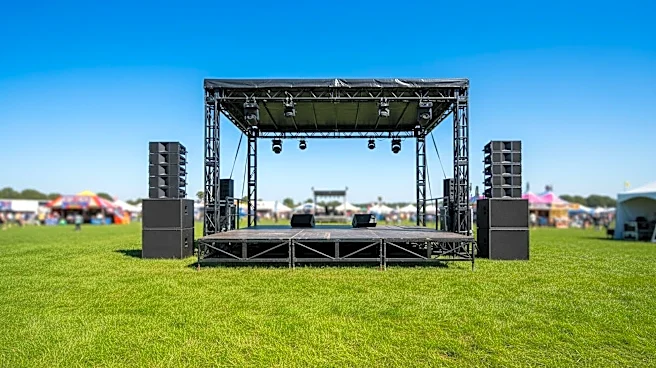
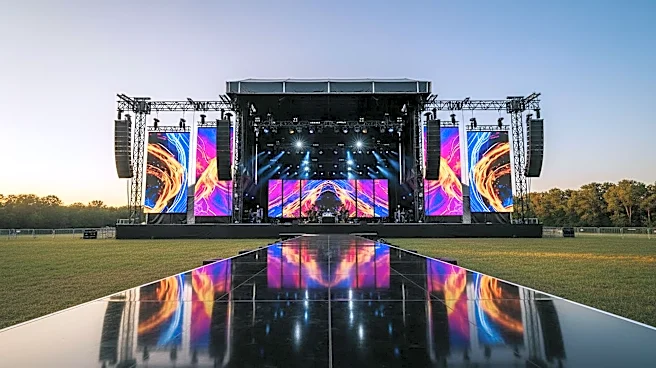
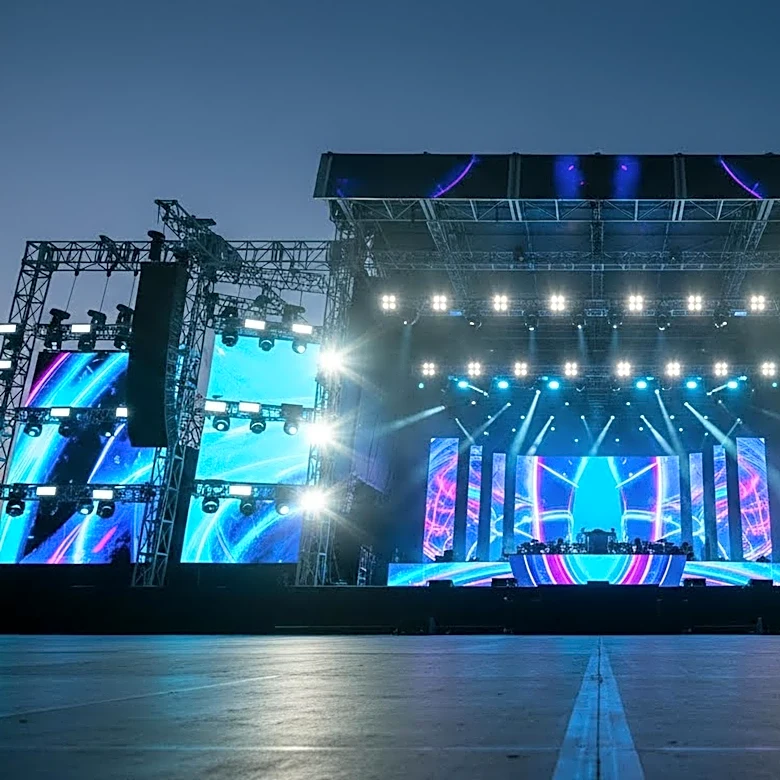
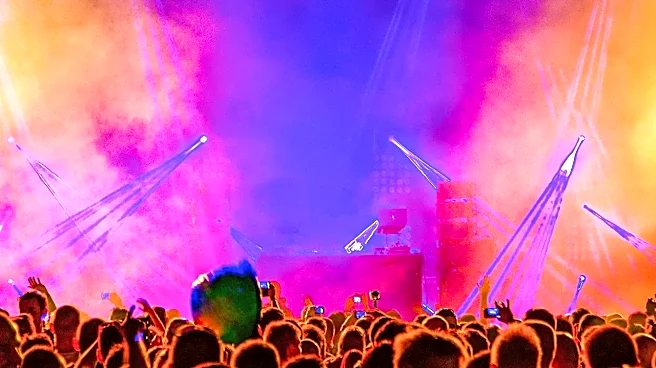
The single biggest reason to choose a festival is exposure. A private gig has an audience of a few hundred, maybe a few thousand, who are there for a specific event—not necessarily for the music. A festival like Coachella or Lollapalooza offers a captive audience of tens of thousands of dedicated music fans actively looking to discover their next favorite artist. For an emerging act, this is an unparalleled opportunity to perform for a crowd that would otherwise be impossible to reach. A memorable set can convert thousands of casual listeners into dedicated fans overnight. This is what the industry calls the “Coachella effect,” where a strong performance can lead to massive spikes in streaming numbers, social media followers, and overall public awareness.
Building the Brand and the Buzz
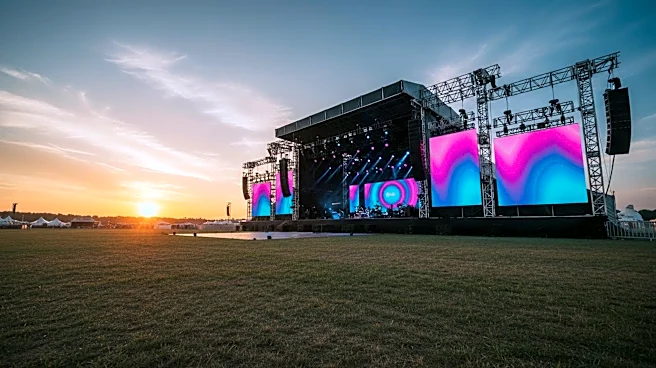
A slot at a prestigious festival is more than just a concert; it's a powerful branding statement. Being included on a major festival lineup poster confers a level of legitimacy and coolness that money can't buy. It signals to the industry and to fans that an artist has arrived. The media coverage, from music blogs to fashion magazines, and the endless social media content generated from a festival set create a cultural moment. Think of an artist playing the coveted “sunset slot” at a scenic festival—the photos and videos from that one performance can define their image for years. That kind of earned media value can be enormous, sometimes dwarfing the performance fee itself. It’s an investment in an artist’s long-term marketability.
Where the Industry Does Business
Festivals are not just for fans; they are major networking hubs for the music industry. Agents, managers, record label executives, publishers, and music supervisors are all on the ground scouting for new talent. A standout performance can lead directly to conversations that result in better booking agents, record deals, or sync placements in movies and TV shows. Artists also get the chance to connect with other musicians, opening the door for future collaborations and tours. While a private gig is a transactional one-off, a festival performance can unlock a dozen future opportunities that generate far more income down the line.
It’s All About Career Stage
Ultimately, the right decision depends entirely on where an artist is in their career. For a new or emerging artist, the exposure and industry connections from a festival are almost always worth more than a one-time paycheck. Even if they lose money after accounting for production costs—as Cardi B famously did at Coachella in 2018—the subsequent rise in their booking fee and streaming revenue can make it a worthwhile investment. An agent can use a Coachella credit to negotiate higher fees for years. However, for a globally recognized, well-established artist who already has the brand recognition and a massive fanbase, the strategic benefits of a festival diminish. In that scenario, taking the higher-paying private show is often simply good business.