






The Ticking Clock of Biology
For a player on their last run, the opponent isn't just the team across the field or court; it's time itself. Every minute of game play is a tick of a biological clock that only they can hear. Younger players think about the next game or the next season,
but the veteran is acutely aware that there might not be a next time. The physical realities of aging—slower recovery, lingering injuries, a slight loss of explosive power—are constant reminders of their mortality in the game. Psychologists who study aging athletes note this conflict between a mind that remembers peak performance and a body that can no longer consistently deliver it. This creates an internal battle where every possession, every play, is freighted with the knowledge that their physical window to compete at the highest level is closing for good. This isn’t just about fatigue; it’s a profound awareness of finality.
The Weight of a Legacy
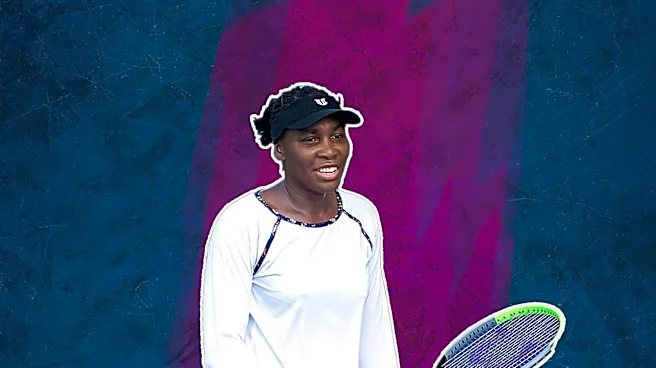
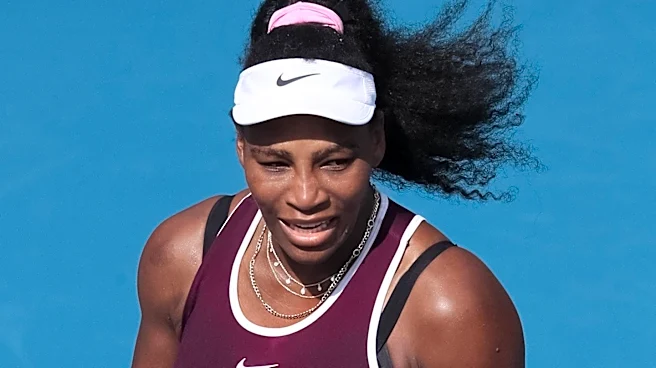
A Last Dance is fundamentally a story about legacy. It’s the final, frantic edit of a career-long narrative. For a player like Michael Jordan, it was about cementing his dynasty beyond any doubt. For others, it’s a last chance to capture an elusive championship, to silence critics, or to prove they could win on their own terms. Serena Williams' final US Open appearance in 2022 was a perfect example; each match was an emotional event, a celebration of her career but also a dramatic fight against time for one last shot at history. This pressure transforms the game. A simple turnover isn't just a lost possession; it's a potential stain on a final chapter. A missed shot feels like a squandered opportunity to write a perfect ending. This is why veteran leaders are so valuable in these moments; they’ve learned, often through painful experience, how to manage the emotional weight that can crush younger players.
The Burden of Emotional Leadership
The star of a Last Dance often carries more than just their own hopes. They carry the emotional weight of the entire team, the coaching staff, and an entire fanbase. They are expected to be the calm center of the storm, even as they privately grapple with their own anxieties about the end. Their teammates, many of whom grew up idolizing them, look to them for cues. Is there panic? Is there hope? Is there resolve? The veteran’s body language on the bench, their tone in the huddle, sets the emotional temperature for everyone. This role of emotional anchor is exhausting. It requires a performance of stoicism and belief, even when doubt creeps in. They must project confidence to inspire the younger players who provide the energy, while simultaneously battling their own physical and mental fatigue.
A Fight on Two Fronts
Ultimately, the Last Dance player is fighting a war on two fronts. Externally, they face the opponent, a team that is often younger, faster, and eager to make their own name by knocking off a legend. The game plan against an aging superstar is simple: wear them down. Make them run. Test their endurance and push them to their physical limits. Internally, the battle is even more complex. They fight against their own body's decline, the memories of what they used to be able to do, and the fear of failure in their final moments on the biggest stage. It's a race against two opponents: the one on the schedule and the one in the mirror. Winning a Last Dance requires conquering both. It’s this dual struggle that makes the narrative so compelling; it’s a story of defiance against the inevitable.