







What 'Cosmetic-Grade' Actually Means
The term "cosmetic-grade" isn't just marketing fluff; it's a regulatory standard. In the United States, the Food and Drug Administration (FDA) strictly regulates color additives used in products intended for the human body. For a pigment to be considered
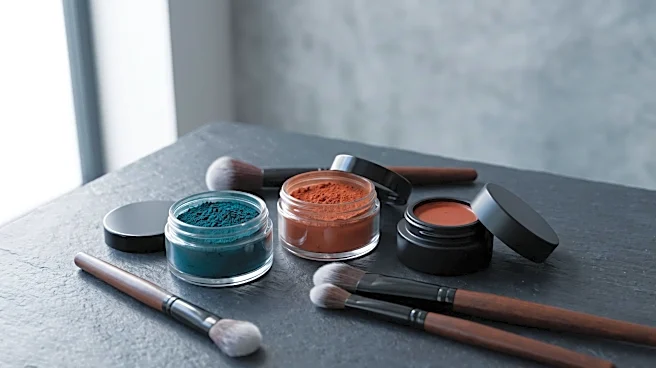
cosmetic-grade, it must be approved by the FDA for its specific use, meaning it has been tested for safety on the skin. This process involves ensuring the pigments are free from harmful levels of contaminants like heavy metals and that their composition is safe for direct, prolonged contact. Some synthetic colors even require batch certification, where the FDA tests each individual batch to confirm its purity before it can be legally used in cosmetics.
The Tempting Danger of Craft Store Shortcuts
It’s easy to see the appeal of a cheap bottle of acrylic craft paint or a jar of sparkling craft glitter when you have a large area to cover. But these products are not made for skin. Even if a label says "non-toxic," that only means it's safe if accidentally ingested in small amounts during normal craft use—it does not mean it's safe for your body. Acrylic paint is essentially liquid plastic designed to form a rigid, non-breathable film on surfaces like canvas or wood. When applied to skin, this film traps sweat and oil, blocks pores, and cracks as you move. Worse, it can cause significant skin irritation, contact dermatitis, and allergic reactions due to preservatives and chemicals like ammonia or formaldehyde-releasing agents. Removal is often painful, as the dried paint can pull at fine body hair. Similarly, craft glitter is often made of metal or plastic with sharp, irregular edges that can cause micro-tears on the skin or, even more dangerously, scratch your cornea if used near the eyes.
Beyond Safety: Better Performance and Comfort
The argument for cosmetic-grade products extends well beyond just avoiding a rash. Professional body paints are engineered for performance on a living, breathing canvas. They are formulated to be flexible, allowing you to smile, talk, and move without the makeup cracking or flaking off. They are also designed to be breathable and comfortable for hours of wear at a convention or performance. The pigment load in professional makeup is also generally higher and of better quality than in craft paints, providing more vibrant, opaque color with less product. Finally, cosmetic products are created with removal in mind. They are designed to be broken down by specific removers or soaps without damaging the skin, unlike craft paints that can require harsh scrubbing or alcohol to remove.
How to Read Labels and Make Safe Choices
When shopping for your next character creation, be a vigilant consumer. Look for products explicitly labeled "cosmetic-grade," "skin-safe," or made for "special effects makeup." Check the ingredient list for FDA-approved colorants, often listed with names like "FD&C" or "D&C". Be wary of any product that doesn't clearly state its intended use on the body. For glitter, always choose products specifically sold as cosmetic glitter, which is made from skin-safe materials like polyester and cut into rounded, finer shapes to minimize irritation. Never use craft glitter, especially near your eyes. Before going all-in on a full-body application, it's always wise to perform a patch test on a small area of your skin to check for any potential allergic reaction, even with cosmetic-grade products.