


The Cult of Coconut: America's First Vacation Scent
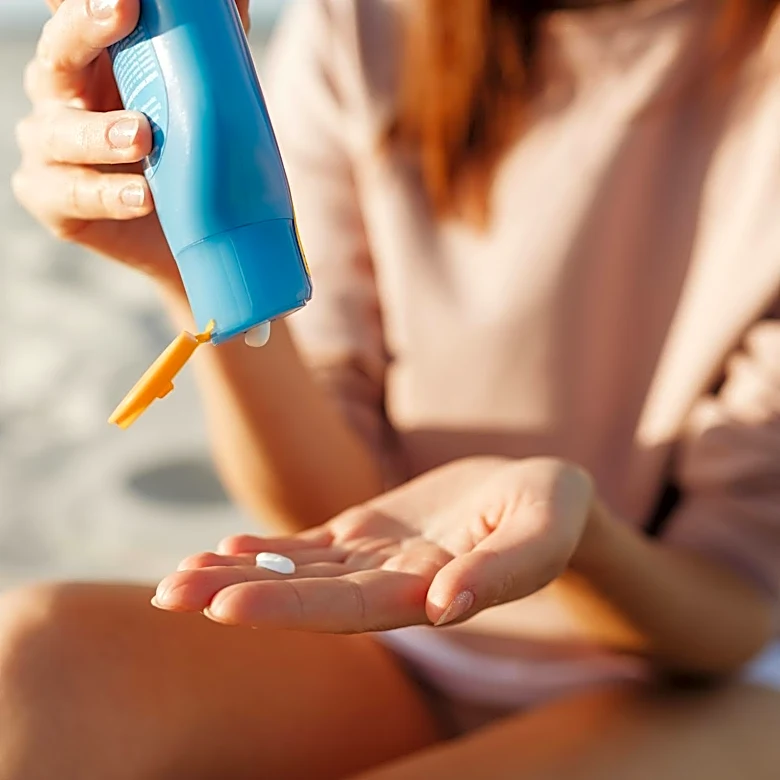
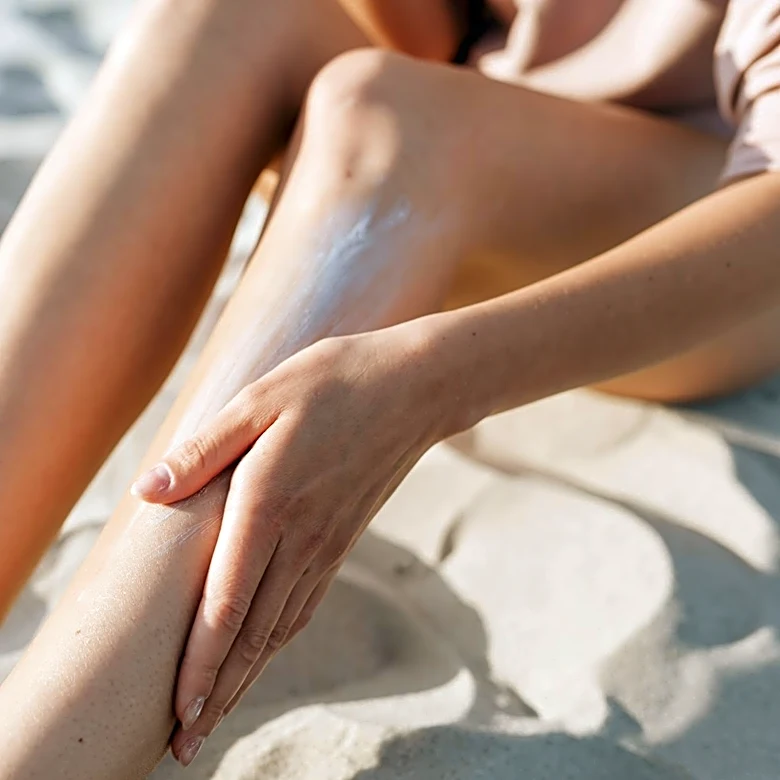
The story of vacation in a bottle starts with coconut, but not the kind you crack open on a deserted island. It starts with the post-war American dream of leisure and the invention that made it possible to bake in the sun for hours: suntan lotion. In
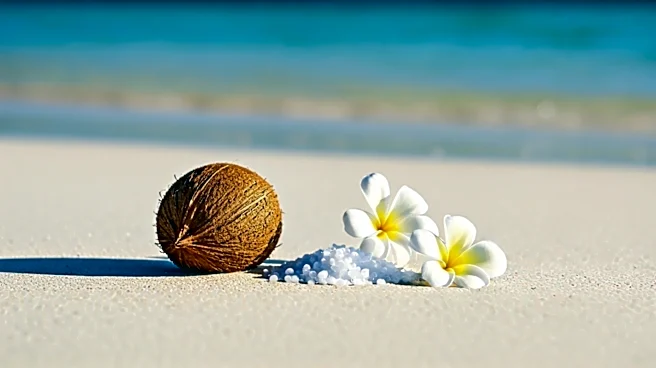
the 1940s and 50s, brands like Coppertone and Bain de Soleil began marketing a new kind of freedom. Their lotions, thick with a synthetic, creamy coconut-and-vanilla fragrance, became synonymous with the act of tanning itself—a status symbol that said, “I have the time and money to relax.” This wasn't an accidental association. The fragrance was designed to be memorable and tenacious, clinging to skin, towels, and swimsuits long after you’d left the beach. This olfactory persistence helped forge an unbreakable link in the collective American mind: coconut equals sun, sand, and leisure. It evoked a specific, accessible fantasy—not necessarily a five-star resort in Tahiti, but the democratic ideal of a summer day at the local beach or pool. For decades, it was the undisputed scent of an American summer, a nostalgic code passed down through generations.
A Pinch of Salt: Capturing a More Modern Coast
By the 1990s, the sun-drenched coconut fantasy started to feel a bit dated. A new desire emerged for something cleaner, fresher, and more sophisticated. Enter the aquatic fragrance boom. Perfumes like Davidoff's Cool Water and Giorgio Armani's Acqua di Giò introduced a new olfactory language, one built on synthetic molecules like Calone that mimicked the crisp, bracing scent of sea spray and ocean air. This was the scent of a different kind of vacation: windswept, minimalist, and energetic. It wasn't about slathering on oil to tan; it was about a brisk walk on a rocky, temperate coastline.
More recently, this trend has evolved into an even more literal interpretation: salt. Perfumers now use notes described as “sea salt,” “driftwood,” and “mineral accord” to create a photorealistic impression of the shore. These scents are less about the water itself and more about the entire coastal environment. They evoke salty skin after a swim, the mineralic scent of wet stones, and the dry, woody aroma of sun-bleached logs. This shift represents a move toward a more naturalistic, unisex vision of escape—less about the party, and more about quiet contemplation by the sea.
Solar Florals: The Scent of Liquid Sunshine
The most modern vacation code is also the most abstract: the “solar floral.” This isn't one specific note, but a family of them. Think of heady, sun-drenched white and yellow flowers like tiare, frangipani, jasmine, and ylang-ylang. The term “solar” refers to a warm, radiant, almost shimmering quality that perfumers craft around these blossoms. They achieve this effect by pairing the florals with warm notes like amber, benzoin, or even a touch of that classic coconut, but in a much more refined way.
The resulting scent is the olfactory equivalent of warm sun hitting your skin in a lush, tropical garden. It’s not the beach, but the five-star resort just behind it. Solar florals bottle the feeling of luxurious, humid heat and blissful indolence. They suggest a vacation that is less about activity and more about pure, decadent relaxation. It’s the scent code for the wellness-focused, Instagram-worthy escape, where the goal isn't just to get away, but to glow.