
The Real Mistake: Forgetting the Anchor
The number one mistake isn't simply wearing too many items; it's that the layers are all competing for attention. A great layered outfit has a clear narrative, while a cluttered one has none. Each piece should complement the others, not shout over them.
Runway looks, though dramatic, are meticulously styled to tell a single story. When every layer is a statement piece—a chunky knit, a patterned shirt, a bold jacket—the eye doesn't know where to land. The result is visual noise. The secret is to establish an 'anchor' or foundation and build intentionally from there. Without that focal point, your outfit loses its shape and its purpose, quickly turning into a confusing jumble of fabric.
Rule 1: Master Your Proportions
The fastest way to look swallowed by your clothes is to ignore proportion. The key is to create balance. A simple, highly effective guideline is the “big-over-slim” rule. If you're wearing an oversized blazer or a chunky, heavy-knit sweater on top, keep the bottom layer sleek and fitted, like slim-fit jeans or a straight-leg trouser. Conversely, if you opt for wide-leg pants or a voluminous skirt, your top layers should be more tailored and close to the body. This contrast prevents you from looking bulky and ensures your silhouette remains defined and intentional. Fashion is architecture for the body, and getting the proportions right is like building a strong foundation.
Rule 2: Unify with a Cohesive Palette
Color is a powerful tool for tying multiple garments together. An outfit with three or four layers in clashing colors will almost always look chaotic. To create harmony, stick to a disciplined color story. This doesn't mean you have to wear all black. A monochromatic approach, using different shades and tints of the same color, looks incredibly sophisticated. Tonal dressing, which involves pairing colors from the same family (like beige, tan, and cream), also creates a cohesive and polished effect. If you do want to use a bold color, let it be the star. Use one bright piece as a pop against a backdrop of neutrals to make a deliberate statement.
Rule 3: Mix Textures, Not Messages
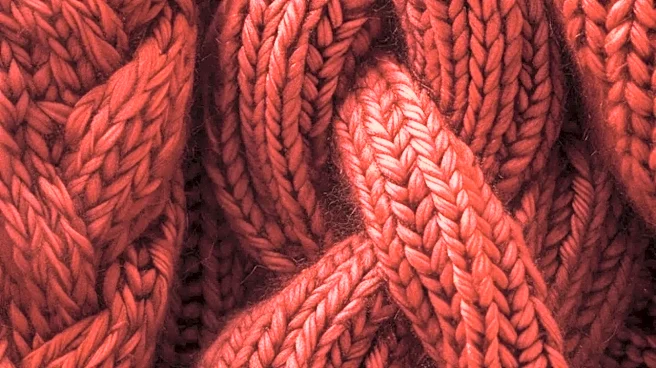
Once your proportions and color palette are set, the pro move is to introduce varied textures. This is what adds depth and interest to an outfit, preventing it from feeling flat, especially if you're using a monochromatic color scheme. Think about combining different fabric finishes: the smoothness of silk, the roughness of wool, the sleekness of leather, the casual feel of denim. Pairing a soft, cashmere sweater with a structured leather jacket, or a silk camisole under a wool blazer, creates a rich, tactile experience that feels luxurious and intentional. This technique adds dimension without adding visual clutter, making the outfit sophisticated and thoughtfully assembled.
Rule 4: Follow the 'Rule of Three'
When in doubt, simplify. The "rule of three" is a popular styling principle that suggests an outfit looks most complete when it consists of three key pieces. In layering, this often translates to a base layer (like a tee or turtleneck), a mid-layer (like a sweater or button-down shirt), and an outer layer (a blazer, jacket, or coat). This simple formula provides enough depth to be interesting without becoming overwhelming. While runway looks might pile on more, for everyday wear, three is often the magic number for achieving that perfect balance of style and function. Accessories can also act as that third piece, pulling a simple top-and-bottoms look together.