




More Than a Walk
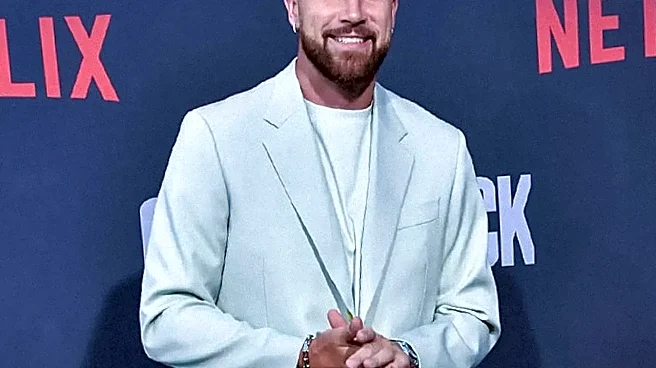
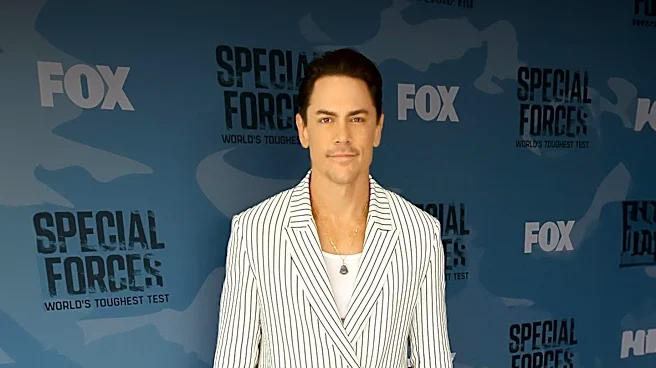
Long before the first episode drops, the battle for audience attention begins. And the red carpet is one of the first, most visible front lines. These premiere events aren't just celebrations; they are highly orchestrated content-creation opportunities.
Every interview, every photo, and every candid moment is a potential asset. The primary goal isn't just to answer 'who are you wearing?' but to plant the seeds of a show's narrative in the public consciousness. Publicists prep their stars with key talking points designed to be memorable and, most importantly, shareable. It’s a performance before the actual performance, a way to generate free exposure and extend the reach of a traditional marketing campaign.
The Art of the Soundbite
In the fast-paced environment of a red-carpet line, there’s no time for long, nuanced discussions. The currency of the realm is the soundbite: a short, pithy, and emotionally resonant quote that can be easily lifted for a news segment or social media post. Stars are coached to drop intriguing hints about their characters, tease a major plot point without spoiling it, or share a funny anecdote from the set. The perfect soundbite is a tiny story in itself, compelling enough to make someone stop scrolling and wonder, 'what show is that?' It’s less of an interview and more of a strategic dissemination of marketing messages disguised as casual conversation. These moments are designed to be clipped and replayed across multiple platforms.
Fueling the Social Media Engine
In today's media landscape, if it doesn’t trend, it might as well not exist. Red-carpet interviews are now filmed with the social media feed in mind. Interviews are often shot vertically for TikTok and Instagram Reels. Clips are edited and uploaded in near real-time, often by the networks and streaming services themselves. This strategy allows them to control the narrative and kickstart the conversation. According to recent research, two-thirds of viewers are more likely to watch a show after seeing it advertised on social platforms. The buzz from a premiere can create a powerful sense of FOMO (fear of missing out), pushing viewers to tune in so they can be part of the online chatter.
From Water Cooler to Algorithm
The game has changed. The old goal was to generate 'water cooler' talk for the next day at the office. The new goal is to feed the algorithm. Every share, comment, and like on a red-carpet clip signals to platforms like Instagram, TikTok, and YouTube that this piece of content is relevant. This, in turn, can lead to the show's trailers and promotional materials being served to a wider audience. It's a self-reinforcing cycle: the more engagement the red-carpet content gets, the more the algorithm promotes the show, leading to even more viewers and more conversation. This initial burst of social activity is crucial for a new series trying to stand out in a crowded field of content.