




More Than Just Skin
Forget the simple cutouts of seasons past. The new use of negative space in couture is less about revealing skin and more about sculpting with absence. In art, negative space is the area around and between subjects in an image. In fashion, it’s the practice
of using voids to create shape, line, and a new kind of silhouette. Think of it as the sartorial equivalent of a modern sculpture. Designers aren’t just cutting holes in fabric; they are carving into the very form of a garment, forcing our eyes to appreciate the structure that remains. Daniel Roseberry at Schiaparelli, for instance, has played with strategic cutouts and illusionary constructions that draw attention to the body's form with intellectual precision, creating garments that are both structured and fluid. This technique transforms a dress from a simple covering into an object of art where the empty spaces are as deliberate as any seam or embellishment.
The Architectural Influence
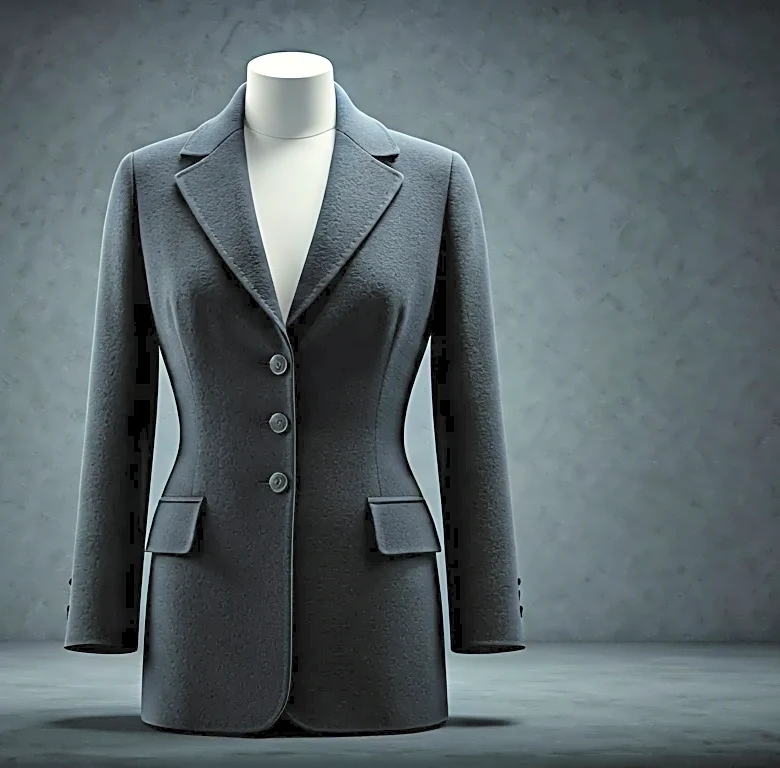
The connection between fashion and architecture has a long history, with designers often drawing inspiration from the lines, textures, and forms of iconic buildings. Coco Chanel famously said, “fashion is architecture: it is a matter of proportions.” Today, this synergy is more apparent than ever. The use of negative space in couture directly reflects architectural principles where form follows function, and structure is paramount. Designers are using fabrics as building materials, creating wearable art that echoes the work of architects like the late Zaha Hadid, who was known for her fluid, dynamic structures. This approach results in garments with exaggerated proportions, swooping angles, and a profound attention to construction. On the runway, this translates to gowns with voids that create dramatic tension or jackets with sharp, geometric absences that feel both powerful and cerebral. It’s a move away from soft drapery towards something more defined and intentional.
On the Runway: The New Modernists
Recent couture collections have been a masterclass in this technique. At Schiaparelli, Daniel Roseberry has continued to explore the house's surrealist DNA through a modern lens, with some ready-to-wear pieces featuring organic, wavy cutouts that suggest motion and life. His Fall 2026 collection was described as an exploration of contradiction, with disciplined tailoring that still felt sensual and modern. Similarly, Iris van Herpen, a designer long celebrated for merging fashion with technology and science, creates garments that often appear to float on the body. Her work uses complex, skeletal structures and translucent materials to blur the line between the wearer and the space around them, embodying a synthesis of biology, physics, and architecture. Her Fall/Winter 2025-26 collection, for example, used liquid forms and layered textures to explore the interdependence of humanity and nature, creating silhouettes that seem to live and breathe. These designers are the new modernists, using absence to craft a powerful presence.
A New Definition of Elegance
Ultimately, the turn towards negative space signals a shift in what we consider luxurious and modern. This isn’t the overt, look-at-me glamour of the early 2000s. Instead, it’s a quieter, more confident form of elegance that values intellect and artistry. The strategic reveal is more intriguing than total exposure. It’s a style that asks the viewer to look closer and think about the construction and the concept behind the garment. By carving away fabric, designers are adding layers of meaning, creating a visual tension that is both sophisticated and a little subversive. This approach suggests a new kind of power dressing—one where control, precision, and a mastery of form are the ultimate status symbols. It’s a reminder that sometimes, the most powerful statement is made by what is left unsaid, or in this case, what is left unworn.