



The Power of a Single Line
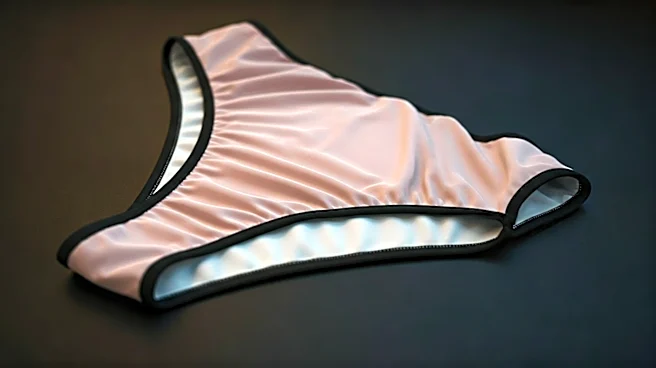
First, let's define our terms. Contrast trim—also known as piping or binding—is that thin line of fabric in a different color that traces the edges of a garment. It’s not a new invention; you’ve seen it on everything from vintage track jackets to classic
Chanel blazers. But in the world of swimwear, where a garment is often just a few square inches of fabric, that single line does an incredible amount of work. On the Miami runways, designers are using it as a secret weapon. Instead of relying solely on a suit’s cut to create shape, they are using color to draw a new one. It's a tool for visual architecture, outlining the body and giving form to fabrics that might otherwise seem unstructured.
Sculpting with Color and Contrast
Think of contrast trim as a form of optical illusion. A dark trim on a light-colored suit can create a slimming effect, visually cinching the waist or elongating the torso. A bright, neon trim on a neutral one-piece doesn’t just add a pop of color; it directs the eye, highlighting the curve of a hip or the line of the décolletage. Designers at shows for brands like Sinesia Karol and Body Glove have demonstrated this masterfully. They use black piping on white bikinis to create a graphic, almost two-dimensional effect that feels both retro and modern. This technique turns a simple triangle top or a classic high-waisted bottom into a statement piece. It gives soft, stretchy swimwear the illusion of structure, making the silhouette feel more intentional, more 'finished,' and ultimately, more flattering.
Runway Report: A Tale of Two Trims
The trend manifested in two primary ways across the Miami collections. The first was the athletic-inspired look. Brands showcased sporty cuts—think racerbacks and zip-front one-pieces—edged in bold, primary colors. This evoked a sense of 1970s and '80s sportswear, lending an active, energetic vibe to the pieces. It’s a look that suggests you’re ready for more than just lounging by the pool. The second approach was more elegant and refined. Designers like Luli Fama applied delicate, metallic, or subtly colored trim to feminine silhouettes with ruffles and soft textures. Here, the trim acted like a frame for a painting, adding a touch of polish and sophistication that elevated the entire garment. It prevents a hyper-feminine suit from becoming too sweet, adding a necessary edge that keeps it feeling contemporary.
Why This Detail Resonates Now
The appeal of contrast trim lies in its ability to do more with less. In a fashion landscape often saturated with loud prints and complicated cut-outs, the simple, confident line of a contrast edge feels like a breath of fresh air. It’s a clever design choice that signals attention to detail. It shows that the designer isn't just thinking about color or pattern, but about form, line, and how the garment interacts with the body. For the wearer, it offers a kind of built-in confidence. The suit isn't just a piece of fabric; it’s a thoughtfully constructed garment designed to sculpt and define. It taps into our appreciation for things that are well-made, proving that sometimes the smallest details can have the most significant impact.