

Tier 4: The Hopeful Opener
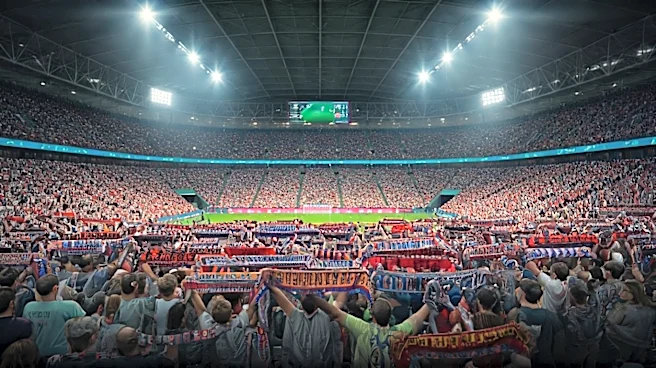
This is the 'anything is possible' match. It’s the first game of the group stage, where every team—from Brazil to the lowest-ranked qualifier—starts with a clean slate and zero points. The pressure is low, replaced by a giddy sense of optimism. A win
is euphoric, laying a perfect foundation for the next two games. A draw is perfectly acceptable, keeping you firmly in the mix. Even a loss, while disappointing, isn't a death sentence. You still have two more chances to fix it. Think of any Matchday 1 clash between two mid-tier nations, like USA vs. Wales in 2022. It felt huge at the time, but the resulting draw didn't eliminate anyone. This match is all about getting your tournament legs under you. Panic Level: Low. It’s a first date—be charming, try your best, but don’t pick out wedding china just yet.
Tier 3: The Mid-Group Reality Check
Welcome to Matchday 2, where the tournament math starts to get real. The vibe of this game is determined entirely by what happened in the first one. If you won your opener, this is a chance to clinch a spot in the knockout rounds with a game to spare—a low-stress 'free hit.' But if you drew or, heaven forbid, lost your first match, this game becomes a crucible. This is the moment a team proves whether its opening-day performance was a fluke or a true reflection of its quality. A loss here, especially after failing to win the first game, puts you on the brink of elimination. Suddenly, your destiny is no longer entirely in your hands. You’re scoreboard-watching, calculating goal differentials, and praying for a miracle on the final day. Panic Level: Moderate to High. The bill for the first round of drinks has arrived, and you’re checking your wallet.
Tier 2: The 'Win and You're In' Gauntlet
This is arguably the purest distillation of World Cup drama. It’s the final match of the group stage, and the scenario is brutally simple: win, and you advance to the knockout rounds. Draw or lose, and you go home. There’s no ambiguity, no complex math, no relying on another result. Everything you’ve worked for over four years comes down to 90 minutes of sheer will. This is the kind of game that creates national heroes and defines careers. The perfect example is the United States vs. Iran at the 2022 World Cup. Both teams knew a victory would send them through. The tension was palpable in every pass, every tackle, every second that ticked off the clock. It’s a high-wire act without a net, where the joy of victory is matched only by the crushing finality of defeat. Panic Level: Severe. Your back is against the wall, but at least your fate is in your own hands.
Tier 1: The Existential Crisis Match
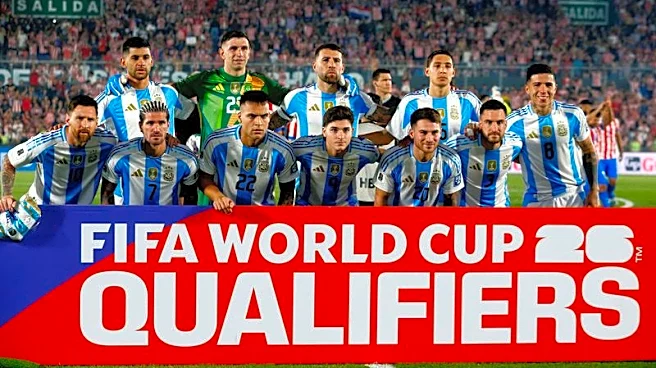
This is more than a game; it's a potential national catastrophe. This tier is reserved for a pre-tournament favorite—a powerhouse nation expected to cruise through the group—that suffers a shocking loss in its opening match. Suddenly, their second game becomes an existential test. This isn't just about advancing; it's about avoiding historic, soul-crushing humiliation. The prime example is Argentina vs. Mexico in 2022. After losing to Saudi Arabia in one of the biggest upsets in World Cup history, Lionel Messi and Argentina faced elimination if they lost to Mexico. The weight on their shoulders was immense. An entire nation’s hopes, a legend’s legacy, and the team's status as a global superpower were all on the line. Every touch was scrutinized, every missed chance felt like a dagger. This is peak panic, where the fear of losing far outweighs the joy of winning. Panic Level: Code Red. Full-blown, societal, reputation-defining panic.