




The Dreaded Black Hallway
Every seasoned Halloween Horror Nights fan knows the feeling. You’ve just survived a hyper-detailed, terrifying room—a gruesome laboratory, a haunted nursery—and your adrenaline is pumping. The story is working. Then, you’re unceremoniously dumped into
a featureless, plywood-black hallway. The spell is instantly broken. This is the messy scene change, the narrative dead zone that plagues too many modern haunts. It’s the haunt equivalent of seeing a stagehand in the middle of a Broadway show. These transitions often feel like filler, a cheap way to get guests from Set Piece A to Set Piece B. Sometimes it's a long, dark corridor; other times it's a curtained-off area where you can hear an actor getting reset instructions for the next group. This breaks the single most important element of a haunt: immersion.
Disorientation Requires Control
The common defense for these messy transitions is that the house is supposed to be disorienting. But that argument misses the point of good environmental storytelling. True, effective disorientation is a controlled art. It’s about manipulating sightlines, using sound to draw attention, and creating a layout that feels chaotic and unpredictable to the guest, even though it's meticulously planned. Dumping guests into an un-themed hallway isn't disorientation; it's a design failure. It gives the brain a moment to switch off, to remember you’re just walking through a temporary structure. A clean scene change, by contrast, maintains the narrative thread. It could be a tight, winding cave that logically connects a mine shaft to a subterranean temple, or a flickering, strobe-lit corridor that feels like a glitch in the spaceship’s system. The feeling of confusion comes from the story, not from a lack of it.
Pacing, Rhythm, and the 'Palette Cleanser'
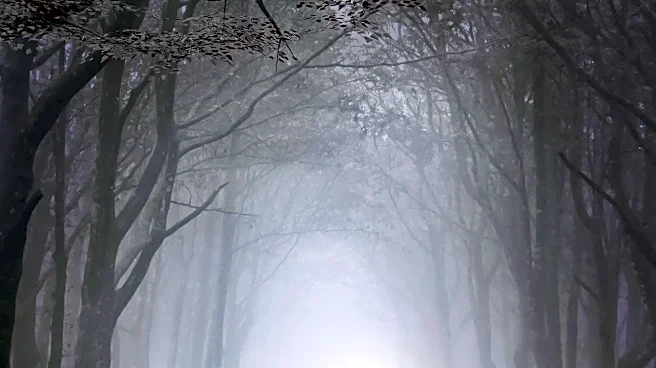
Great horror, whether in film or a physical space, is all about pacing. A relentless barrage of jump scares with no downtime leads to exhaustion, not terror. The infamous "conga line" effect at crowded events like HHN already damages pacing, where one group sees the scare meant for the group ahead. Messy scene changes exacerbate this by creating dead spots where nothing happens. Well-designed transitions, however, can act as "palette cleansers." A short, atmospheric, but non-threatening scene can give guests a moment to breathe and reset their anxiety levels, making the next big scare far more effective. Think of a beautifully lit, seemingly empty Victorian hallway. It’s not a black void; it's a moment of suspense. You know something is coming, but the environment itself is doing the work, building dread without a single jump scare. These moments are just as important as the scares themselves.
The Actor's Burden
Poor transitions also place an unfair burden on the scareactors. When a house relies on actors to be the sole source of fear, it leads to what some fans call "human animatronics"—performers who are just there to pop out of a "boo hole" and reset. This is a waste of their talent. A well-designed house with clean transitions supports its performers. The environment becomes a character in itself, working with the actors to build a cohesive world. When the sets flow logically, actors can engage in more dynamic, story-driven scares instead of just being a repetitive startling mechanism. They can stalk guests from one room to the next, or use the transition itself as part of the scare. Clean transitions empower performers to be actors, not just pop-up obstacles, which elevates the entire experience from a simple fright-fest to immersive, memorable horror theater.