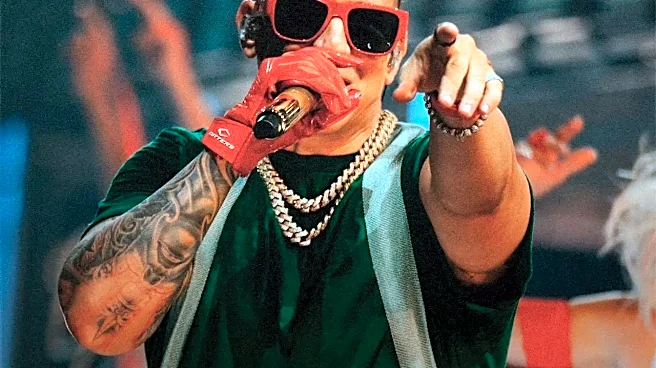

Before a single award is presented at the 2026 Latin Grammys, a whole other show unfolds on the red carpet. It's more than just a glamorous entrance; it's a meticulously produced event with its own broadcast,
hosts, and staggering cultural power.
It’s a Standalone Media Powerhouse
Think of the red carpet not as a prequel, but as its own primetime special. Broadcasters like Univision dedicate a full hour of live television to the 'Noche de Estrellas' pre-show for a reason. This coverage, complete with dedicated hosts and multiple camera crews, is a massive media property. It generates its own ratings, sells its own ad inventory, and creates a wave of online content hours before the main ceremony begins. For many viewers, the red carpet is an unmissable part of the experience, offering candid interviews and fashion moments that become instant social media fodder. This creates a crucial build-up of excitement, ensuring millions are already tuned in and engaged when the awards show officially kicks off.
The Business of Buzz and Branding
The red carpet is a high-stakes marketplace where careers and brands are built. For artists, it's a powerful promotional opportunity. A memorable look or a viral interview can introduce an emerging artist to a global audience or redefine the image of an established star. But the business goes deeper. Fashion designers loan out couture gowns in exchange for a simple red carpet question: 'Who are you wearing?'. That mention can launch a brand. Jewelry companies, stylists, and makeup artists all vie for a piece of the exposure. Furthermore, the Latin Recording Academy and its broadcast partners secure lucrative sponsorships from automotive, financial, and retail brands, all wanting their logos associated with the night's glamour.
A Global Stage for Latin Culture and Identity
At the Latin Grammys, the red carpet serves a unique and vital cultural purpose. It's a vibrant showcase of the immense diversity within Latin music and identity. Artists from different countries and genres—from Mexican regional to Brazilian pop and Argentinian rock—converge, and their fashion choices often tell a story. Outfits can incorporate elements from local artisans, make political statements, or pay homage to cultural icons. In a media landscape that can often flatten nuanced identities, the red carpet provides a powerful visual platform for artists to express their heritage, individuality, and creativity on their own terms, communicating directly with a worldwide audience.
Setting the Narrative Before the Awards
The red carpet effectively sets the tone and narrative for the entire evening. It's where the night's big stories begin to take shape. Is there a surprise couple making their debut? Is an artist making a bold political statement, as has happened in past years? Who looks like a confident winner, and who is simply thrilled to be nominated? These micro-dramas provide context and emotional investment for the audience. The interviews and interactions give fans a personal connection to the artists, transforming the awards from a simple list of winners into a compelling human story. It builds a sense of community and shared celebration that lasts long after the final award is handed out.