
The Festival Mindset
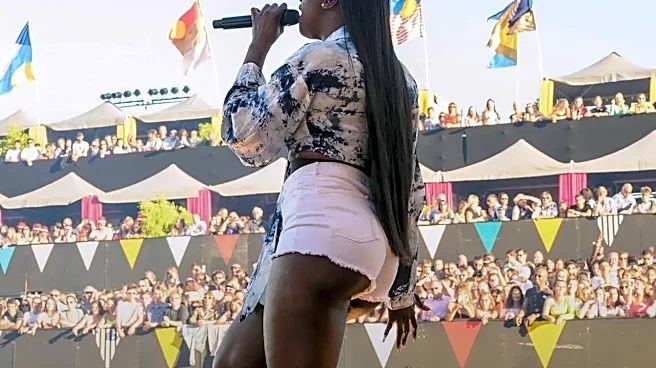
The first rule of a festival setlist is that it’s not for the die-hards—at least, not entirely. Unlike a headliner’s own tour where every seat is filled by a dedicated fan, a festival audience is a mixed bag. You have loyal followers, curious newcomers
dragged by friends, and casual listeners who only know the big radio singles. The job of a festival set is to win over everyone. This means the setlist is often shorter, punchier, and more focused on widely recognizable material. The time slot, determined by the festival organizers, is strict. An artist who might play for two-and-a-half hours on their own tour may only get 75 or 90 minutes to make an impression, a constraint that forces ruthless editing and a focus on maximum impact.
Crafting the Perfect Arc
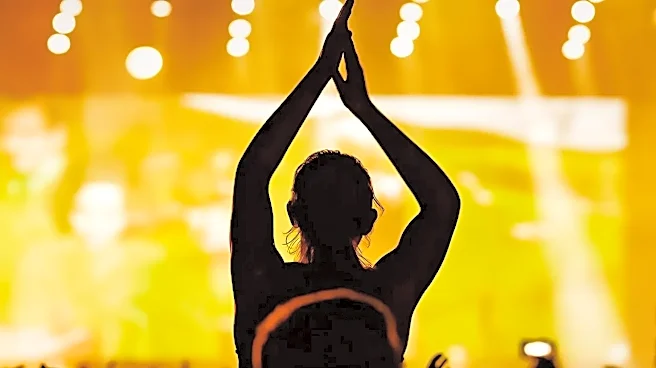
A great setlist isn't a random playlist; it’s a narrative with a beginning, middle, and end. Most artists follow a proven formula to guide the crowd's energy. It starts with a powerful opener to grab immediate attention and establish the vibe. This is followed by a sequence that builds momentum before strategically dipping into a slower, more emotional moment—like a ballad or an acoustic number—to give the audience (and the band) a chance to breathe. Following this valley, the energy ramps back up, culminating in a peak of the biggest, most anthemic songs designed to create a collective, euphoric moment. Behavioral economics even suggests a high-low-high sequence is ideal for creating lasting, positive memories of an event.
The Hits vs. The Deep Cuts
One of the biggest challenges is balancing the songs everyone expects with the material the artist wants to play. For a festival like Outside Lands, the scale tips heavily towards the hits. The goal is to create shared moments of joy, and nothing does that better than thousands of people singing along to a song they love. However, artists also want to showcase their musical breadth and new material. A common strategy is to sandwich a new or lesser-known song between two undeniable crowd-pleasers. This keeps the audience engaged while still allowing for artistic expression. Some bands, like Tegan and Sara, even use spreadsheets to track which albums are represented and ensure a balanced show.
The Outside Lands Factor
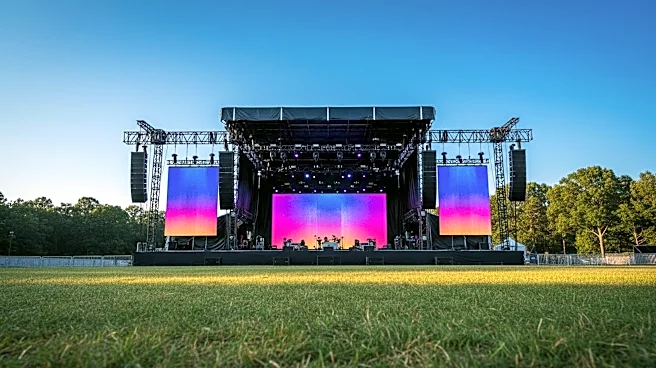
Beyond general festival strategy, headliners consider the specific environment of Golden Gate Park. The audience is famously diverse, spanning multiple generations and musical tastes, a tradition baked into the festival's DNA. This encourages headliners to lean into their most universally appealing tracks. The physical layout is also a factor; with major stages at opposite ends of the park, headliners know they are competing for attention and must deliver a show that keeps their crowd from wandering. Then there's the infamous San Francisco fog and chill that can roll in at night. An artist might adjust the set's mood on the fly, leaning into more atmospheric or energetic tracks to match or combat the weather, turning a potential downer into a memorable part of the show.
Data, Vibe, and The Encore
In the modern era, instinct is backed by data. Artists and their teams can see which songs are streaming most in the Bay Area, what tracks get the biggest reaction in fan videos, and how different transitions work. But ultimately, a setlist is a living document. Many performers build in moments of flexibility, allowing them to read the room and call an audible if the energy dips or surges unexpectedly. The final piece of the puzzle is the encore. It’s a classic for a reason. After a powerful closer, the brief departure and triumphant return provides one last emotional peak. This is where a band often plays its most beloved, can’t-miss-it classic, sending the massive crowd home with a feeling of shared, lasting euphoria.