






Introduction Through Action
From its opening moments, 'The Bear' rejects traditional exposition. We aren't told who Carmen “Carmy” Berzatto is; we see him. A world-class chef, he is thrust back into his family's chaotic Chicago sandwich shop after a tragedy. His character isn't
defined by a monologue but by the frantic, precise way he moves through the kitchen, his visible anxiety clashing with his elite culinary training. The show masterfully defines its characters by what they do under pressure. Richie is introduced through his resistance to change, Sydney through her quiet but determined competence, and Tina through her steely defense of the old ways. We learn about them through their verbs—chopping, yelling, cleaning, resisting—not through adjectives spoken by a narrator. In the high-stress environment of The Original Beef of Chicagoland, there is no time for sit-down conversations about their pasts; their histories are baked into their immediate reactions.
Dialogue as Backstory
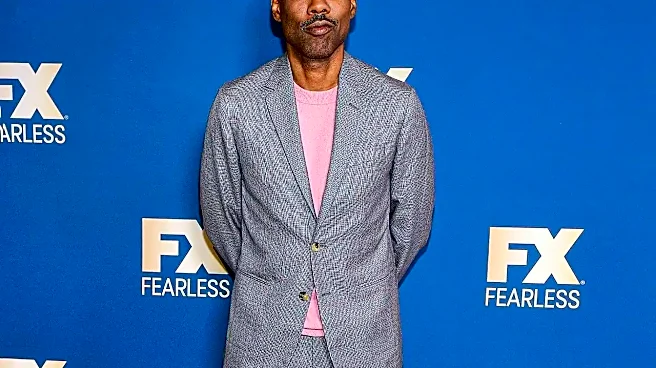
When the characters in 'The Bear' do speak, not a word is wasted. The dialogue is rapid-fire, overlapping, and littered with inside jokes and unresolved tensions, forcing the viewer to lean in. Creator Christopher Storer uses this verité style to make the audience feel like they're in the weeds with the characters. There are no clunky lines like, “Remember that time…” Instead, history is revealed in a single word—“cousin,” “Jeff,” or a muttered reference to Carmy's deceased brother, Michael. This approach respects the viewer's intelligence, trusting them to piece together the relationships and power dynamics from conversational fragments. It’s a bold move that pays off, creating a sense of deep, shared history without ever stopping the relentless forward momentum of the kitchen. The result is that the characters feel lived-in and authentic from their very first scenes.
The Kitchen as a Character
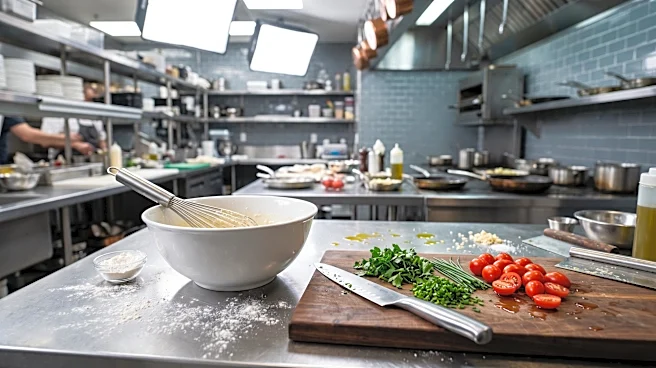
The environment itself is a crucial tool for introduction. The kitchen at The Beef is not just a setting; it's a reflection of the people within it. It’s chaotic, underfunded, and barely functioning—just like its staff. The claustrophobic space, captured with tight, handheld camera work, forces characters to constantly interact and clash, revealing their personalities through proximity. The worn-out equipment tells a story of neglect and history. The French brigade system Carmy tries to implement reveals his ambition and desire for order amidst chaos. Sydney’s meticulous station shows her discipline, while Richie’s preferred spot by the counter shows his role as the old guard. By making the space an active participant in the story, the show externalizes the internal struggles of its characters, giving viewers another layer of information without a single line of dialogue.
Why The 'Slow Burn' Is Overcooked
For years, the streaming model encouraged “slow burn” television, with shows taking hours to build their worlds and introduce their casts. This often led to bloated pilots and a demand for audience patience that is wearing thin in an oversaturated market. 'The Bear' proves this model is no longer necessary, or even desirable. Its episodes are short, intense, and demand attention from the first second. By throwing the audience directly into the fire, the show creates an immediate investment. The lesson for other streaming series is clear: you don't need a full hour to explain your premise. In the age of the binge-watch and endless choice, a character’s first actions are more compelling than their backstory. 'The Bear' demonstrates that a story can start at a full sprint, trusting that the audience is smart enough, and engaged enough, to keep up.