



Born From Wind and Waves
The story of the Barbour jacket doesn’t begin on a fashion runway, but in the blustery coastal town of South Shields, England. In 1894, John Barbour began supplying oilskins to protect fishermen, sailors, and dockworkers from the harsh North Sea weather.
This was clothing as pure function. The evolution into the waxed cotton jackets we know today came as the brand expanded to serve farmers and gamekeepers who needed durable, thorn-proof outerwear for life in the British countryside. The original designs, like the Beaufort, even featured large rear pockets designed to carry game. This was a garment built for purpose, not for posing; its primary selling point was its ability to withstand the worst weather imaginable.
The Royal Seal of Approval
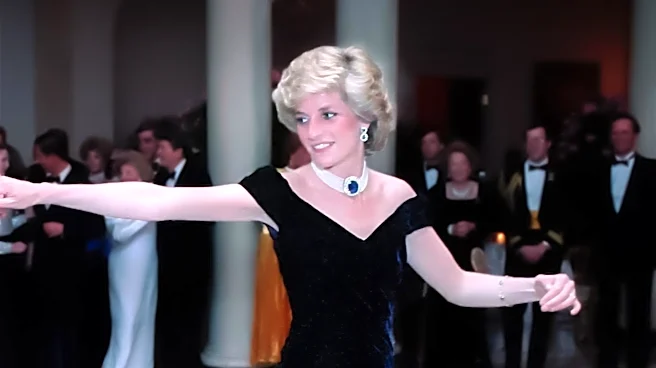
The jacket’s first major leap out of the working countryside came courtesy of the British royal family. In 1974, Barbour was awarded its first Royal Warrant by the Duke of Edinburgh, with two more to follow from Queen Elizabeth II and the then-Prince of Wales. Suddenly, the humble waxed jacket was seen on the landed gentry and, most famously, on the Windsors during their downtime at Balmoral. Queen Elizabeth II famously wore the same jackets for decades, and Princess Diana’s adoption of the style in the 1980s broadened its appeal to a more fashion-conscious audience. This royal endorsement didn't make the jacket trendy; it made it something more powerful: a symbol of timeless, un-fussy British heritage and quality.
From Sloane Rangers to Street Style
The 1980s saw the Barbour become the unofficial uniform of the “Sloane Ranger,” the upper-middle-class London set who paired it with their city clothes. This was the moment it truly crossed from rural necessity to urban accessory. But its journey didn't stop there. In a twist few could have predicted, the jacket was adopted by various subcultures. Motorcyclists had long favored the Barbour International model, worn by actor and style icon Steve McQueen. In Europe, the jacket became a status symbol among the Italian paninari and British football “casuals,” youth movements who prized its rugged quality and British heritage. Fast forward to the 21st century, and it was embraced by indie musicians at muddy festivals like Glastonbury and by American preps as a core part of the East Coast aesthetic.
The Art of Staying the Same
In a world of fast fashion, Barbour’s core strategy seems to be one of steadfast consistency. While the brand has introduced new lines, collaborations, and lighter-weight options, the iconic waxed jackets—the Bedale, the Beaufort, the Border—remain largely unchanged. This refusal to chase trends is precisely what allows the jacket to be so versatile. It acts as a blank canvas. Each group, from punks to prep school students, can project its own identity onto it. The jacket’s appeal is grounded in its authenticity and durability. The brand even encourages customers to re-wax and repair their jackets for decades, fostering a culture of sustainability long before it was a buzzword and adding to the garment's personal history.