
The Music Is Just the City’s Soundtrack
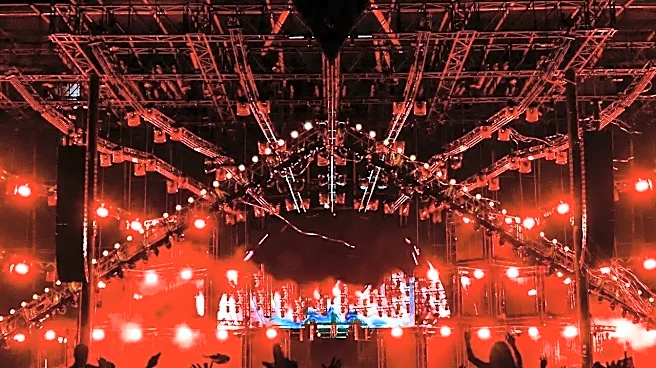
Let’s get one thing straight: the music at Burning Man is omnipresent. From monolithic sound camps pumping tech house to mutant art cars blasting funk as they crawl across the desert, sound is a constant texture of Black Rock City. It is, in many ways,
the city’s ambient noise—its heartbeat. But confusing that heartbeat with the city’s soul is a common mistake. Many first-timers arrive expecting a music festival, but the event is intentionally structured as something else entirely. It's a temporary metropolis built on a foundation of 10 core principles, including radical inclusion, gifting, and decommodification. The music, while a powerful part of the experience, is just one form of radical self-expression among thousands. It’s the backdrop, not the main event.
Finding Magic in Massive, Ephemeral Art
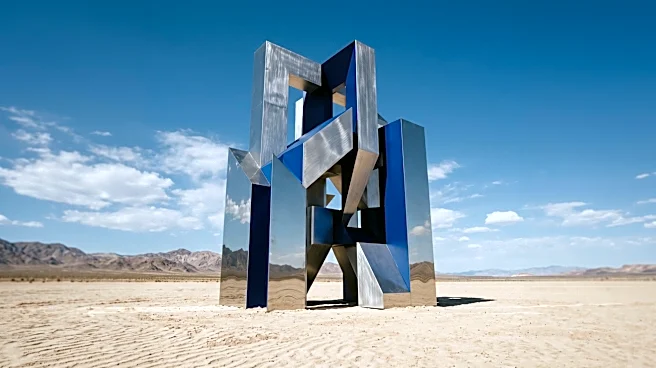
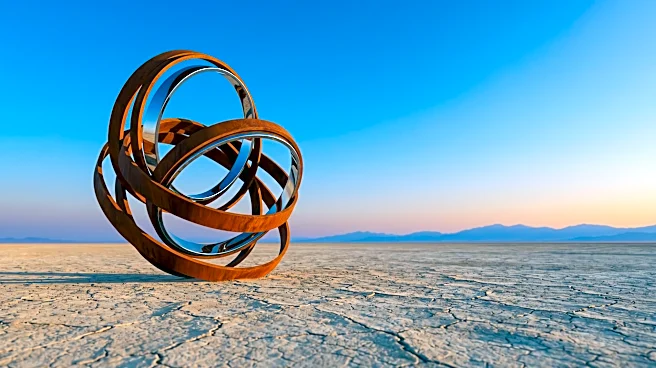
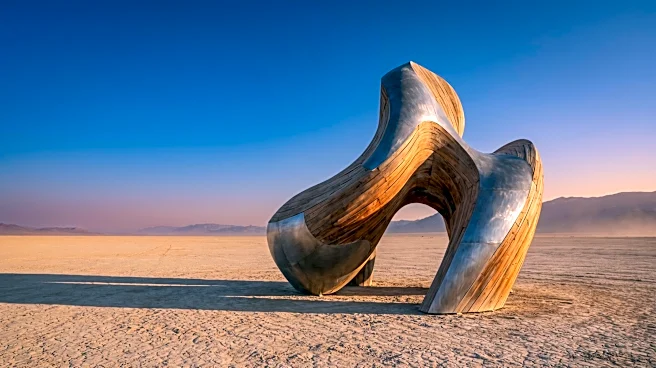
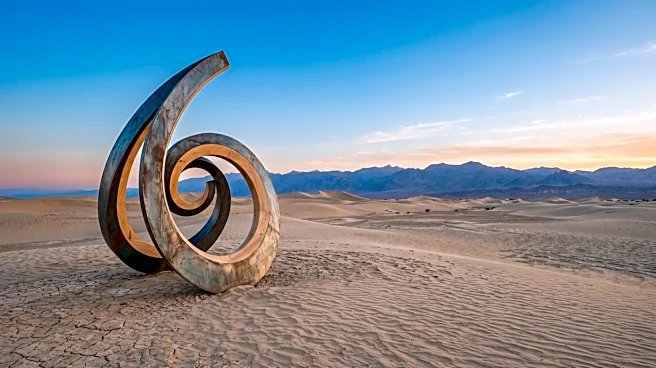
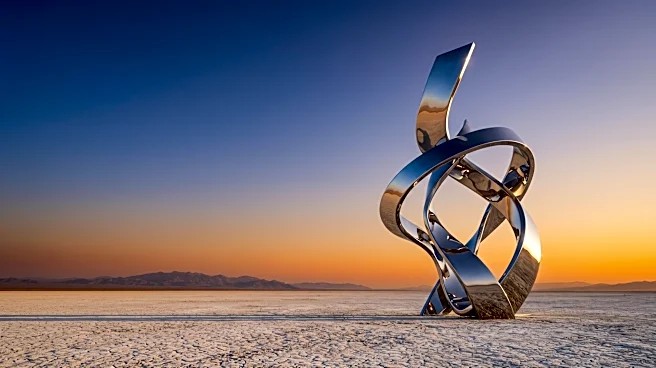
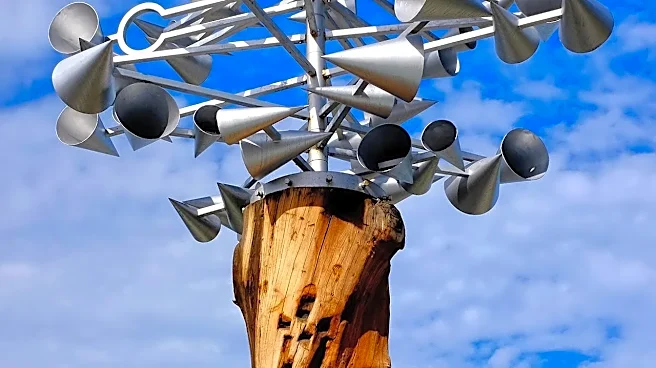
The true centerpiece of the playa is the art. These aren’t just sculptures to be passively observed; they are interactive, climbable, and deeply conceptual worlds. The 2026 event, with its “Axis Mundi” theme, features monumental works like a 50-foot beanstalk winding up to a Victorian cottage and a replica of the Titanic appearing to sink into the desert floor, its broken halves forming an amphitheater. Exploring these creations is a core part of the experience. You might ride your bike toward a distant glow and discover a mysterious obelisk, or wander into a structure inspired by ancient Japanese trees that serves as the pavilion for the Man himself. These installations, many of which are ceremonially burned at the week's end, create moments of awe and connection that are entirely visual and visceral. The memory of climbing a structure with new friends to watch the sunset is often more lasting than any DJ set.
The Currency of Human Connection
In a city with no commerce, human interaction becomes the primary form of currency. The principle of “gifting” means that the most memorable encounters are often unscripted acts of generosity. You might stumble upon a camp offering free, gourmet grilled cheese sandwiches, get married for 30 seconds at a mobile wedding chapel, or find a tiny, hidden bar inside what looks like a porta-potty. These moments are the fabric of the city. People create elaborate camps offering everything from pickleball and dry ski slopes to emotional support and workshops on Belarusian steam baths. The most cherished souvenirs from the playa are often the memories of spontaneous conversations, of helping a neighbor set up their tent in a dust storm, or receiving a thoughtful, handmade gift from a stranger. This focus on community and participation is what distinguishes Burning Man from a commercial festival where attendees are passive consumers of entertainment.
The Quiet Moments of Discovery and Reflection
Beyond the art and the social experiment, there is the desert itself—and the personal journey it inspires. There’s a unique magic in the quiet moments: watching the sunrise over the mountains, taking a solo bike ride to the far reaches of the playa, or finding a moment of introspection at the Temple. The Temple is an annual installation that serves as a non-denominational spiritual space for remembrance and reflection. Attendees leave messages and mementos for lost loved ones before it is solemnly burned in silence on the final night. For many, the experience inside is overwhelming and profoundly cathartic, a quiet counterpoint to the week’s joyous chaos. These personal moments—the challenge of surviving in a harsh environment, the freedom of radical self-expression, and the quiet contemplation—are often the experiences that truly change people.