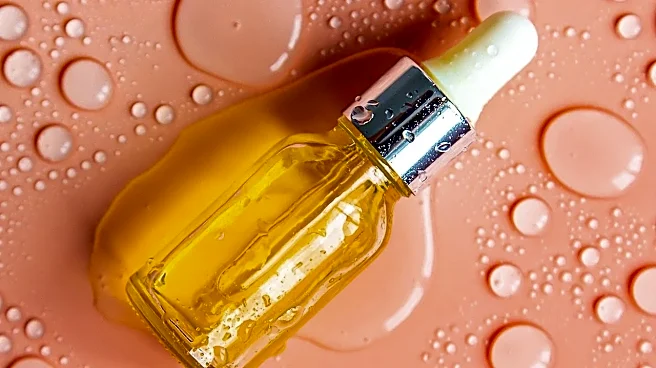




The Goal: A Hydrated Grip, Not a Greasy Slip
The purpose of an under-makeup serum is to create a perfectly prepped canvas. When done right, it provides a layer of deep hydration that plumps the skin, smooths texture, and gives your foundation something to gently adhere to. This prevents makeup from
clinging to dry patches or settling into fine lines. The wrong serum, however, can be a disaster. Heavy oils or incompatible formulas can create a greasy film, causing your makeup to slide right off. Even worse, some products can lead to “pilling,” where the serum and foundation don't bond and instead roll up into tiny flakes, ruining your application before you’ve even started. The goal is a balanced, comfortable base that looks and feels like healthy skin, allowing makeup to glide on seamlessly.
Read the Label: What to Look For
A successful under-makeup serum is all about the ingredients. You want a lightweight, fast-absorbing formula that won’t leave a heavy or sticky residue. Look for powerful humectants that draw moisture into the skin. Hyaluronic acid is a superstar here, as it hydrates and plumps the skin, creating a smoother surface. Glycerin is another excellent choice that helps lock in that moisture. For added benefits, niacinamide can help balance oil production and improve skin texture, while Vitamin C provides a brightening effect for a natural glow that shines through your makeup. Generally, water-based serums are a safe bet as they tend to be lightweight and layer well. Be cautious with silicone-heavy products; while they can create a smooth feel, layering multiple silicone products can sometimes lead to pilling.
Technique Is Everything: Pat, Don't Rub
How you apply your serum is just as important as which one you choose. The golden rule? Less is more. Using too much product is one of the biggest causes of pilling because the excess has nowhere to go and just sits on the skin's surface. Dispense just 2-3 drops or a pea-sized amount onto your fingertips. Instead of rubbing vigorously, which creates friction and can disturb the product, gently pat or press the serum into your skin. This technique aids absorption and ensures an even layer. Start from the center of your face and move outwards. For an extra boost of absorption, you can apply your serum to slightly damp skin after cleansing.
The Secret Step: Wait for It to Absorb
This might be the most crucial—and most often skipped—step. Rushing your routine and applying makeup over a still-tacky serum is a recipe for disaster. Products need time to fully absorb and set. If you apply foundation while the serum underneath is still wet, the friction from your brush, sponge, or fingers will cause the layers to mix and clump together, resulting in pilling. So, how long should you wait? A good rule of thumb is to give your serum at least 60 seconds to sink in. Your skin should feel smooth and hydrated, not wet or sticky, before you move on to moisturizer, sunscreen, or primer. Use that time to brush your teeth or pick out your outfit—this small pause makes all the difference.
The 'Done Right' Result: A Smooth, Radiant Canvas
When you've used the right serum with the right technique, the results are immediately noticeable. Your skin won't look greasy or feel heavy. Instead, it will have a subtle, healthy-looking glow—a radiance from within that highlighters can only imitate. The surface of your skin will feel smooth and plump to the touch. When you apply your foundation, it will glide on effortlessly without streaking or catching on dry spots. Your makeup will blend seamlessly, appear more natural, and wear better throughout the day because the hydrated base prevents your skin from soaking up the moisture from your foundation, which can cause it to crack or fade. Ultimately, a properly applied serum makes your makeup look like a better version of your own skin.