






More Than Just a Big Screen
First, let's get one thing straight: calling a FIFA Fan Festival or a host city fan zone a simple “viewing party” is like calling the Grand Canyon a ditch. These aren't just overflow areas for ticketless fans. They are meticulously planned, multi-day
festivals designed to be the central nervous system of the entire tournament experience. For the millions of fans who travel to a World Cup, many without game tickets, these zones are the primary destination. They are free-to-enter hubs where the global soccer community comes alive, offering a potent mix of sport, entertainment, and culture that often defines a visitor's memory of the event. At their best, they transform iconic urban spaces—like Miami’s Bayfront Park or the historic Los Angeles Memorial Coliseum for the 2026 tournament—into temporary cities within a city, buzzing with an energy all their own.
The Anatomy of a Modern Fan Mecca
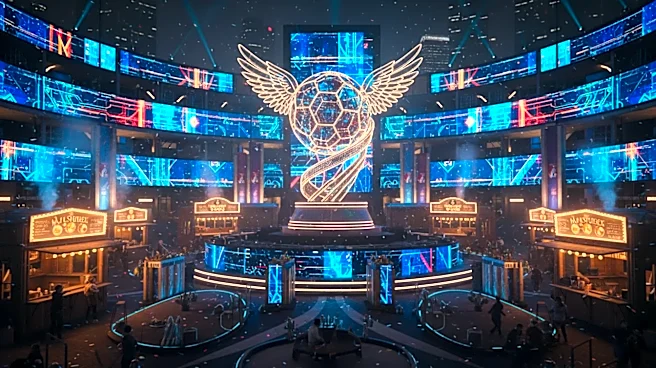
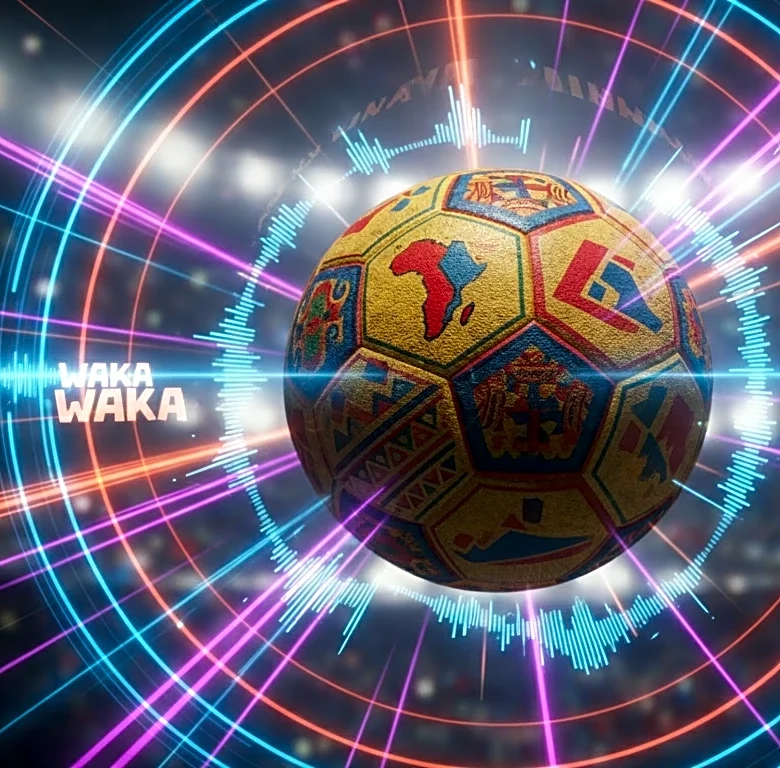
So, what are the ingredients? It starts with location. Organizers pick high-visibility, symbolic spots that are easy to access. Then comes the hardware: massive, high-definition screens and concert-grade sound systems are non-negotiable. But the modern fan zone goes much further, layering in technology to create an immersive environment. Think interactive AR/VR games that let you replicate famous goals, dynamic light shows that react to the on-field action, and dedicated apps for navigating the chaos. Add to that a festival-style array of food and beverage options showcasing local flavors, stages for live music and cultural performances, and official merchandise stalls. For the 2026 World Cup, organizers in cities like Philadelphia and Seattle are emphasizing this hyper-local approach, ensuring their fan zones reflect the city's unique character through curated marketplaces and partnerships with local artists and chefs.
An Economic Engine and Urban Showcase
While the vibe is pure party, the strategy is serious business. For host cities, fan zones are a powerful tool for economic stimulation and brand management. They create a controlled environment that helps manage the massive influx of tourists, channeling crowds and spending into designated areas. This generates a significant economic boost; early reports from the 2026 World Cup showed a notable increase in consumer spending in host cities, largely driven by non-local visitors flocking to these central hubs. Beyond direct revenue from vendors, these events create temporary jobs and provide a massive platform for a city to project a vibrant, welcoming image to a global audience. It's a chance to say, "Look what our city can do." For many cities, the investment in infrastructure and security is a calculated move to validate their status as a major international destination.
The Global Crossroads
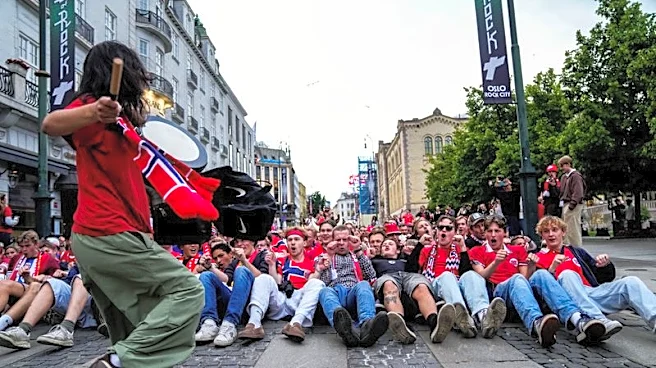
Ultimately, the magic of a fan zone isn't in the infrastructure or the revenue—it's in the people. This is where the tournament's soul truly resides. It’s where you’ll see fans from rival nations sharing a table, teaching each other chants, and celebrating or commiserating together. It's a space that transcends geopolitical divides, united by a shared love for the game. In an increasingly digital world, these zones offer a rare, large-scale physical gathering, a temporary global village where human connection is the main event. They democratize the World Cup experience, proving you don’t need a ticket to the final to be part of the story. You just need to show up, ready to be swept into the planet's biggest party.