




The New Digital Tastemakers
Not long ago, what you saw at the movies or who you saw in concert was decided by a handful of powerful gatekeepers: radio DJs, film critics, and studio marketing departments. Today, the most influential tastemaker is an algorithm. Platforms like Netflix,
Spotify, and even TikTok use complex recommendation engines that analyze your every click, pause, and replay. They track what you watch, how long you watch for, and what you skip, building a sophisticated profile of your tastes. Netflix estimates that 80% of what its users watch comes from these personalized recommendations. This shift from human curation to machine learning has fundamentally rewired the engine of cultural discovery, creating a direct line from a user's private streaming habits to their public purchasing decisions.
From Scroll to Sold-Out Show
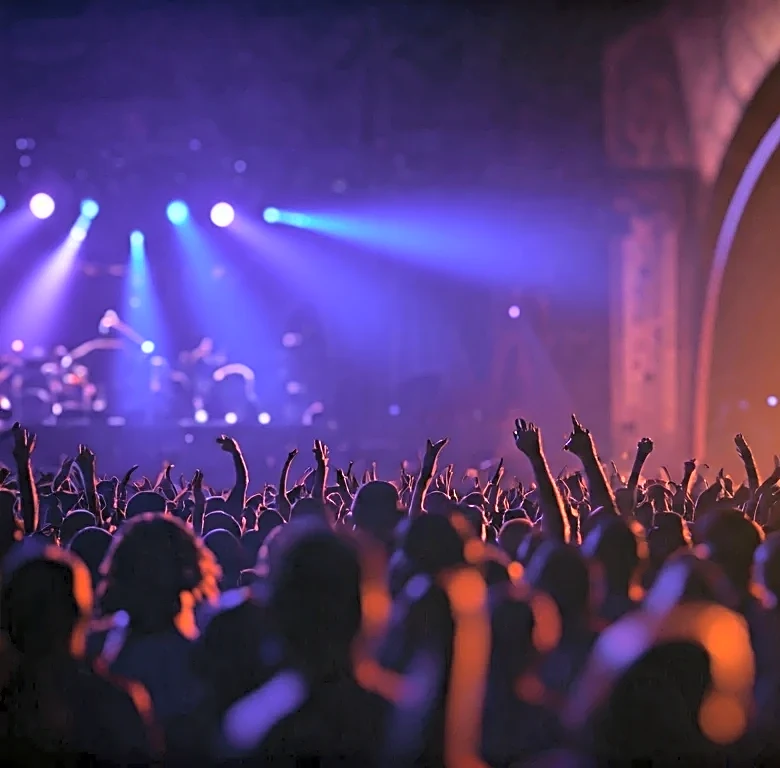
The journey from passive discovery to active ticket-buying is getting shorter every day. A song that goes viral on TikTok can lead to a sold-out tour almost overnight. This happens because the platform creates a powerful feedback loop: users see clips from a concert, which fuels interest and conversation, inspiring more people to show up for the real thing. Spotify has taken this a step further by partnering with ticketing giants to create systems like "Reserved by Spotify." This program analyzes a fan's listening history—how often and consistently they play an artist—to identify them as a superfan. It then offers them a guaranteed, non-competitive chance to buy concert tickets, completely bypassing the chaotic public sale and frustration of fighting bots. It's a system where your listening data literally unlocks a real-world experience.
Amplifying Blockbusters and Creating Niches
For major franchises and superstar artists, recommendation algorithms are a powerful marketing amplifier. They can identify potential fans with uncanny accuracy and serve them trailers, songs, and promotions, ensuring that a blockbuster event feels unmissable. But the culture works in both directions. The same algorithms that push the next big superhero movie can also unearth a niche documentary or an indie band and connect it with a small but passionate audience. Research has shown that streaming helps stimulate demand for live concerts, creating a complementary relationship where digital access drives physical attendance. One study even found that users who upgrade to a premium streaming subscription increase their willingness to pay for live events. This suggests that while algorithms can reinforce the mainstream, they also provide a crucial lifeline for artists and creators outside of it, helping them find a paying audience that might have otherwise never known they existed.
The Homogenization of Taste?
While personalization offers convenience, it also carries risks. One of the primary concerns is the creation of "filter bubbles" or "taste communities," where algorithms feed us a steady diet of what they already know we like. This can limit our exposure to new genres, challenging films, or unfamiliar artists, subtly narrowing our cultural horizons over time. The very data that makes recommendations feel magical is also a potential trap. If an algorithm determines you like action movies with a specific actor, it may prioritize showing you artwork featuring that actor, further reinforcing your viewing habits. This creates a potential downside where the rich get richer—popular content is pushed relentlessly because it's a safe bet, making it harder for truly original or experimental work to break through the noise. The system is designed to give you what you want, but it might also prevent you from discovering what you don't yet know you want.