
The City Built from Dust
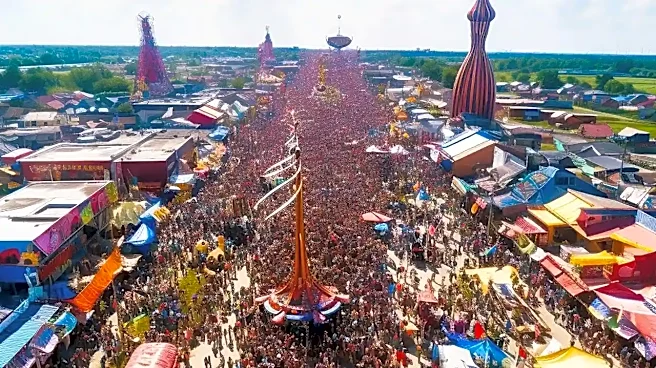
To the uninitiated, Black Rock City seems to appear by magic. For one week, a sprawling metropolis complete with towering art, elaborate theme camps, and a population of nearly 80,000 people materializes
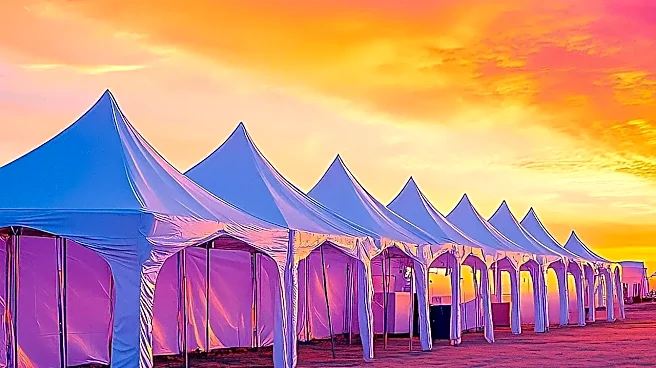
in one of the world's most inhospitable environments. But this city isn’t conjured from thin air. It’s built, piece by piece, through grueling work in the weeks leading up to the event. The people who do this work are part of build crews—the often-unsung heroes of the playa. These crews range from the official Department of Public Works (DPW), which lays out the city’s foundational infrastructure like roads and power grids, to the hundreds of smaller teams dedicated to specific theme camps and art installations. They arrive weeks early, facing extreme heat, dust storms, and the logistical nightmare of constructing complex structures in the middle of nowhere. It's a world of power tools, heavy machinery, and communal effort, all before the first official participant arrives.
The Art of the Build
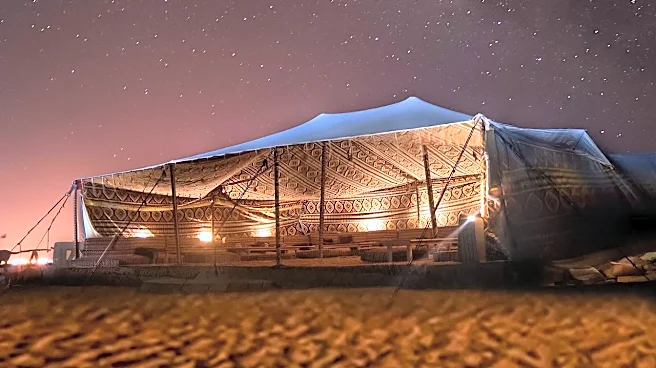
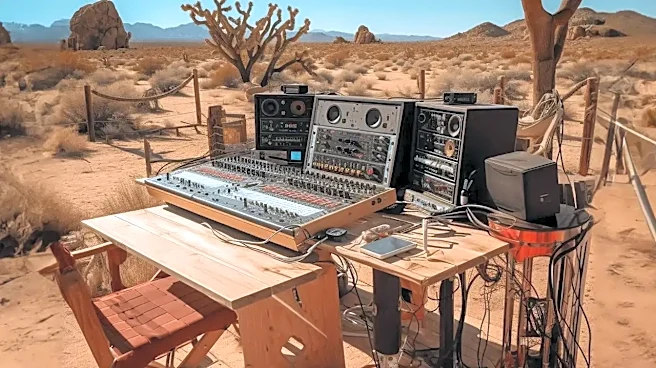
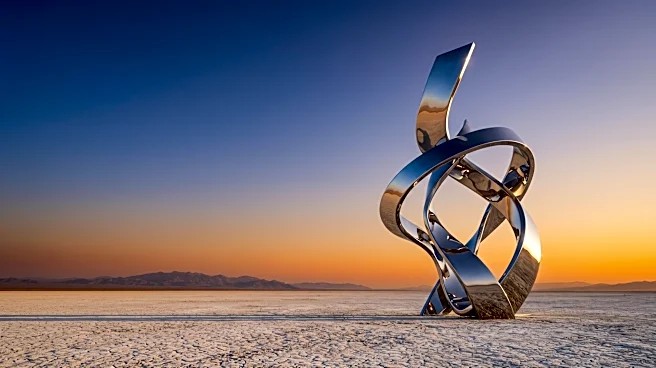
Building a theme camp or a massive art piece is a year-round endeavor, but it culminates in the intense on-playa build period. Crews haul in everything from massive steel beams and geodesic dome skeletons to commercial kitchen equipment and complex sound systems. The work is physically demanding and requires a broad set of skills, from carpentry and welding to electrical engineering and project management. These teams aren't just putting up tents; they are constructing multi-story structures, interactive art that can withstand gale-force winds, and the back-of-house infrastructure needed to support hundreds of campmates with shade, water, and power. This pre-event phase is a masterclass in radical self-reliance and communal effort, two of Burning Man’s core principles. It’s where the vision of a camp or artist transforms from a blueprint into a physical reality against the stark desert backdrop.
The Sacred Duty of the Strike
Arguably more important than the build is the strike. The most fundamental principle of Burning Man is Leave No Trace (LNT). This means that when the event is over, the city must vanish completely, leaving the desert as it was found. There are no garbage services in Black Rock City; every single item, from a rogue sequin to a massive metal sculpture, must be packed out. This monumental task falls to the strike crews. For days, and sometimes weeks after the party ends, these dedicated teams dismantle every structure, pack every container, and scour the ground for “MOOP” (Matter Out of Place). This often involves performing line sweeps, where crew members walk shoulder-to-shoulder in long lines, meticulously scanning every inch of their campsite to pick up any and all debris. It’s a slow, painstaking process that represents the community's deep respect for the environment and its contract with the Bureau of Land Management, which permits the event.
The Real Currency of the Desert
So why would anyone volunteer for weeks of hard, dusty labor? The answer lies at the very heart of the Burning Man ethos. Participating in a build or strike crew offers a far deeper experience than simply attending the event. It’s an opportunity to forge intense bonds, learn new skills, and gain a powerful sense of ownership and accomplishment. While others are spectators, crew members are co-creators of the city itself. The shared struggle and collaborative success create a unique camaraderie and a profound connection to the community and the place. This is the “secret weapon” of the headline: the experience isn’t just about the week of art and partying, but about the collective effort that underpins it. For many veterans, the build and strike are not chores to be endured, but the most meaningful part of their Burn, where the principles of the event are most purely and powerfully expressed.