



More Than Just a Venue
A music festival is never just a collection of stages in a field. At its best, it's an alternate reality. The magic that transforms a weekend of loud music into a formative life event often has less to do with the headliner and more to do with the tangible
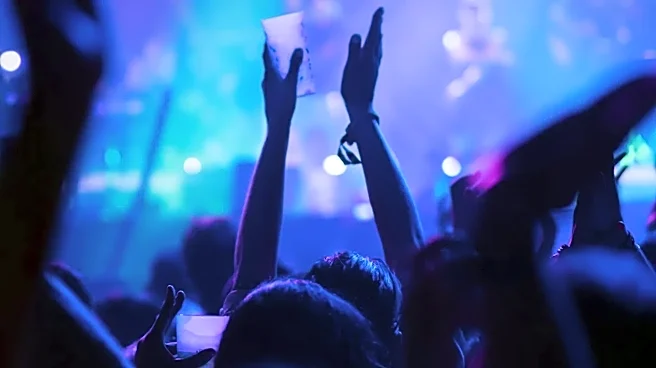
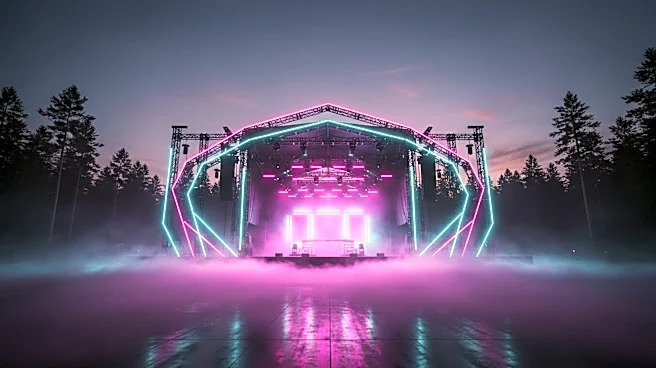
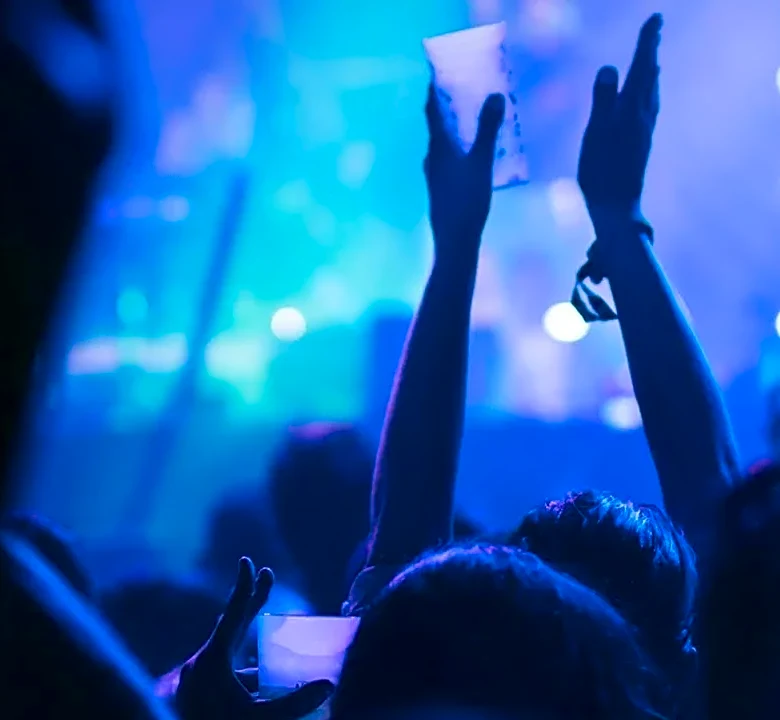
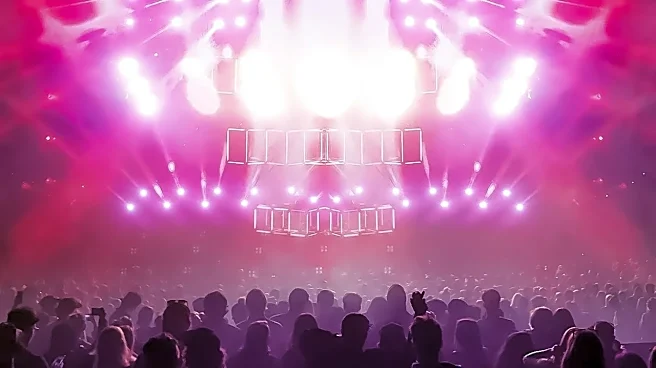
world built around it. Organizers of the most beloved festivals understand this intuitively: the place is part of the product. It’s the difference between seeing a band in a sterile arena and watching them as the sun sets over a forest canopy. One is a concert; the other is an experience. This is because our brains don't file memories away like mp3s. They create rich, sensory tapestries where the sound is woven together with the sight of lasers hitting a cloud of fog, the feeling of bass vibrating through the soles of your shoes, and the collective energy of the crowd. The environment provides the raw material for these unforgettable moments.
The Architecture of Memory
There's a reason why the smell of salt air can transport you back to a childhood vacation. It's called episodic memory—our brain's system for reliving past experiences. And it’s intensely geographical. According to cognitive psychologists, the more sensory input and emotional weight a moment has, the more deeply it gets encoded in our minds. Festivals are hyper-stimulating by design, bombarding us with lights, sounds, and social connection. When these experiences happen in a novel or unique environment, our brains, fueled by a dopamine hit, pay extra attention. That new setting signals to our memory centers, like the hippocampus, that this moment is important and worth saving in high-definition. A generic field offers few distinct hooks for our memory to grab onto. But a forest grove, a misty park, or a dramatic canyon? Those are anchors.
When Nature Is the Headliner
Some festivals are so defined by their environment that nature itself feels like a main stage act. At Michigan's Electric Forest, the entire event is built into and around the Sherwood Forest. By day, attendees relax in hundreds of hammocks strung between towering trees; by night, the woods transform into a labyrinth of light displays and secret parties. The trees aren’t just decoration; they are the architecture of the festival, creating a sense of wonder and discovery that's impossible to replicate in an open field. Similarly, San Francisco’s Outside Lands has an unofficial headliner: Karl the Fog. The city's famous marine layer rolls into Golden Gate Park, often in the late afternoon, creating a cool, atmospheric haze that makes the laser shows pop and turns the entire Polo Field into a moody, otherworldly space. This natural element is so integral that it shapes everything from the fashion choices to the collective vibe, creating memories unique to that specific place.
The Sonic and Social Footprint
The phrase “feel the bass” is literal at a festival. Unlike listening on headphones, the low-end frequencies are a full-body experience. The ground shakes. The air vibrates. This tactile sensation is a powerful, primal memory trigger that physically grounds the auditory experience in a specific place. The way sound travels and reflects off trees, hills, or even city buildings creates a unique sonic signature for each event. But the environment's influence extends beyond the physical. A well-designed festival space encourages social bonding. When we dance in unison with thousands of others, our brains can experience a phenomenon known as “self-other merging,” blurring the lines between ourselves and the group and enhancing feelings of connection. Unique environments with hidden corners, art installations, and communal areas foster this sense of shared discovery, turning a crowd of strangers into a temporary tribe and cementing the social memories alongside the musical ones.