


The Hipster Uniform We Remember
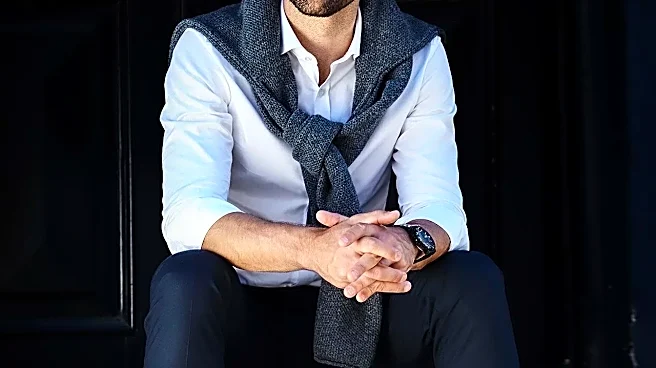
The version of hipsterdom that went mainstream in the early 2010s was defined by a rustic, almost pioneer-like sensibility. It was a mashup of aesthetics: part lumberjack, part librarian, part 1920s revivalist. Men sported groomed beards, flannel shirts,
and slim-cut denim, while women gravitated toward vintage-inspired dresses, oversized cardigans, and ankle boots. The vibe was about authenticity and craft. It fetishized the local, the artisanal, and the handmade—think Etsy shops, farm-to-table restaurants, and the resurgence of vinyl records and film photography. This was a style curated for a new kind of social media, where sepia-toned Instagram filters made everything look timeless and thoughtful. Retailers like Urban Outfitters and Free People capitalized on this, packaging a thrift-store aesthetic for the masses.
The Road Not Taken: Indie Sleaze
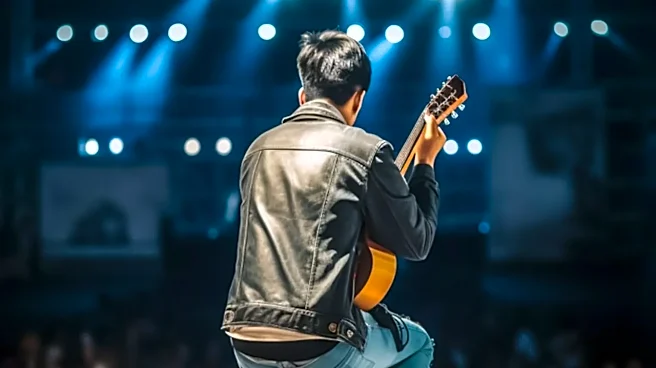
But before the artisanal Brooklynite became the decade's icon, a different aesthetic was ascendant. Emerging from the late 2000s, “indie sleaze” was the grittier, messier, and more nihilistic older sibling. It was the look of dimly lit clubs, flash photography, and a general air of stylish dishevelment. Think smudged eyeliner, leather jackets, ripped tights, and American Apparel’s unapologetically bold basics. This style was hedonistic, maximalist, and raw, fueled by the electro-clash and bloghouse music scenes. It was less concerned with where its coffee was sourced and more interested in the after-party. While the later hipster was performatively wholesome, indie sleaze was performatively debauched—a last gasp of late-2000s excess before the bubble burst.
How the 2008 Recession Changed Everything
The pivotal event that pushed fashion toward flannel and away from flash was the 2008 global financial crisis. The recession ushered in an era of economic anxiety that made the party-centric extravagance of indie sleaze feel out of touch. In uncertain times, culture often retreats toward comfort, practicality, and nostalgia. The hipster emphasis on thrift, DIY culture, and making things by hand felt more appropriate for a generation entering a precarious job market. A style built on durability, timelessness, and investing in “quality” pieces—even if it was just a well-made pair of boots—resonate more than the disposable cool of the club scene. Fashion shifted toward minimalism, muted colors, and versatility, reflecting a collective mood of caution and a desire for things that felt stable and real. The rustic, self-sufficient aesthetic of the hipster was the perfect uniform for this new, more sober reality.
From Artisanal to Influencer
By choosing the path of wholesome craft, 2010s hipsterism laid the groundwork for the lifestyle trends that would dominate the rest of the decade. The focus on personal branding through curated, authentic-seeming choices became the blueprint for the modern social media influencer. The obsession with wellness, clean eating, and minimalist design can all be traced back to the hipster’s search for a more meaningful, less commercialized existence—even as that search became a commercial force itself. The indie sleaze look, tied to a specific pre-recession moment of reckless fun, eventually faded. It was the earnest, bearded woodworker, not the chaotic party photographer, whose aesthetic defined the 2010s, proving that sometimes the clothes we choose are less about who we are and more about the world we find ourselves in.