







From Bold Statements to Brand Blueprints
For decades, the NBA Draft suit was a simple formality, a sartorial rite of passage. Then, in the 1990s, it became a canvas for pure, unadulterated personality. Think of the Michigan Fab Five, particularly Jalen Rose in 1994. His audacious, baggy, red
pinstripe suit wasn't a calculated business decision; it was a loud, joyful, and slightly chaotic expression of a new generation crashing the league’s gates. It was fashion as a declaration of arrival. These suits were memorable, often for being endearingly garish. They reflected the player’s style, but they weren't yet part of a larger strategy. They were a snapshot of the times, a moment of youthful exuberance before the realities of professional basketball—and its associated branding pressures—fully set in.
The King’s All-White Proclamation
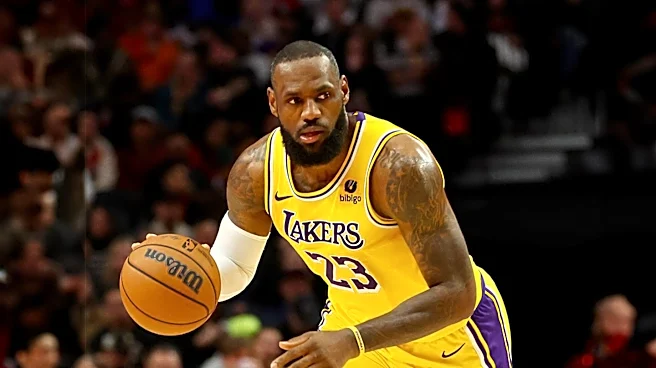
Everything changed in 2003 with LeBron James. When the most hyped prospect in basketball history walked on stage in an immaculate, all-white, double-breasted suit, it was more than a fashion choice; it was a coronation. The suit was clean, bold, and unbelievably confident. It didn't just say, “I’m happy to be here.” It said, “I am the future, and I’m already prepared for the throne.” This was the pivot point. The suit was no longer just an outfit but a piece of iconography, a deliberate act of branding from a teenager who already understood he was a global enterprise. It forecasted not just a great player, but a savvy mogul in the making. The all-white look was a blank canvas on which an empire would be built, a move so prescient it feels less like a fashion risk and more like a prophecy.
A Window into Personality (and Preparation)
In the post-LeBron era, the draft suit became a far more telling psychological document. You could learn a lot about a player by what they chose to wear on the biggest night of their life. Joakim Noah’s 2007 seersucker suit and oversized bow tie screamed unconventional, high-energy, and maybe a little goofy—a perfect preview of the relentless and idiosyncratic player he would become. Conversely, you had Tim Duncan’s famously ill-fitting, department-store look, which perfectly encapsulated his “Big Fundamental” persona: zero flash, all substance, and a complete indifference to the aesthetic circus around him. The suit became a predictor of temperament. Did the player go for a safe, classic navy look, suggesting a steady, no-nonsense professional? Or did they wear something that would get them roasted on Twitter, signaling an unshakeable confidence (or a complete lack of self-awareness)?
The Modern Suit as a Business Plan
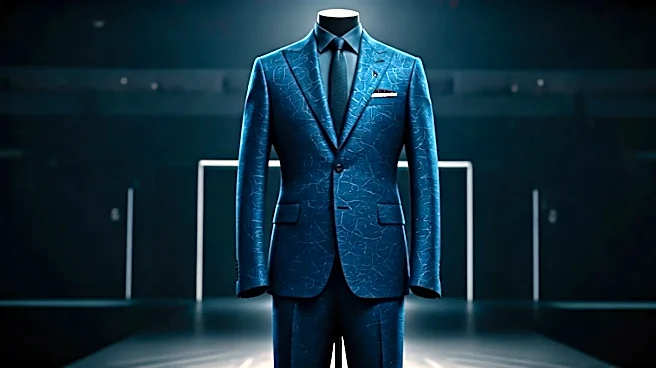
Today, the draft suit is a full-blown strategic asset. Prospects work with high-profile stylists weeks in advance. The details are meticulous and media-trained. Custom linings become shareable content, like Svi Mykhailiuk’s suit jacket lined with the phrase “Trust the Process” or Amine Noua’s featuring pictures of his family. It’s storytelling through tailoring. Players like Kyle Kuzma, who showed up in a flamboyant, pink double-breasted suit, used draft night as the launchpad for a legitimate off-court career as a fashion influencer. His suit wasn't just for one night; it was the first chapter of his brand's lookbook. In this sense, the suit is a forecasting tool not for a player’s stats, but for their business acumen. It reveals who understands the modern NBA landscape, where personal branding, social media savvy, and the tunnel walk—now a veritable runway—are almost as important as the box score.