







The High-Stakes Audition
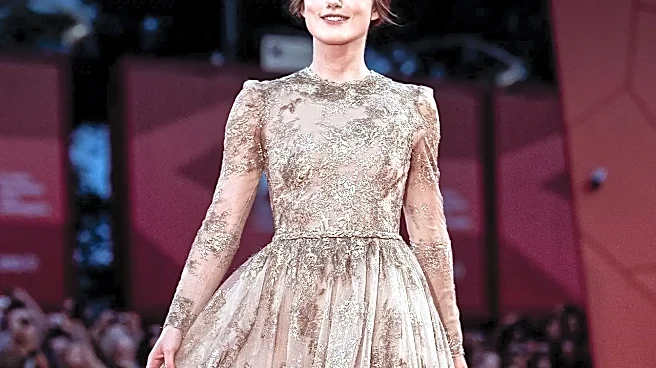
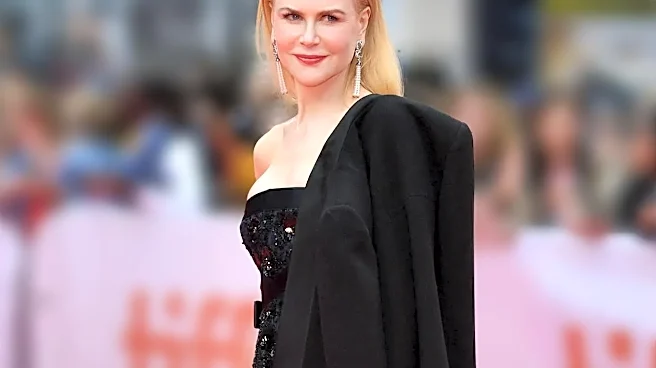
Long before a gown makes its debut at a TIFF premiere, it undergoes a rigorous audition. The process of finding the right dress can begin months in advance, involving a search for dozens of potential candidates for a single event. Stylists aren't just
looking for a beautiful garment; they are searching for a partner in storytelling. The dress has to align with the celebrity's public image, the tone of the film they are promoting, and the specific energy of TIFF, which often blends high-wattage glamour with a certain cinematic seriousness. But beyond the aesthetic, the fundamental question is practical: can the star actually live in this dress for the next six hours? This initial selection filters out countless beautiful but ultimately impractical designs—those with immovable bodices, overly delicate trains, or fabrics that wrinkle if you so much as breathe on them.
The Movement Gauntlet
Once a dress is chosen, the real work begins. The hotel suite transforms into a low-fi obstacle course designed to simulate every possible red carpet challenge. First, there's the 'sit test.' A star at TIFF doesn't just stand; they sit for screenings, press conferences, and long car rides between venues. The stylist has them sit in a chair, get up, and turn around to check for unsightly creasing or whether the dress rides up awkwardly. Next comes walking, and not just a simple stroll. They practice walking at different paces, turning for photographers, and waving to fans. They even simulate a slight stumble to see how the fabric falls and whether it poses a tripping hazard. Every movement is scrutinized to ensure the gown looks as elegant in motion as it does standing still. It’s a meticulous process of anticipating problems before they can happen in front of hundreds of cameras.
Simulating the Real World
The most challenging part of any red carpet is not the carpet itself, but the journey to get there. Stylists are masters of simulating these transitions. A common test involves getting in and out of a chair that mimics the low seats of a limousine or SUV. Can the celebrity do it without ripping a seam, snagging delicate beadwork, or revealing more than intended? Stairs are another major hurdle. The stylist will have their client walk up and down any available steps to ensure the hem is perfect and the star can navigate them gracefully without holding onto the dress. Finally, they tackle the camera test. Using their own phones, stylists will take dozens of pictures with the flash on from every possible angle. This reveals if a fabric might turn sheer under the harsh glare of paparazzi flashes—a wardrobe malfunction that has plagued many unprepared stars.
The On-Site Arsenal
Even with all this preparation, stylists know to expect the unexpected. The final step is assembling an emergency kit that is an art form in itself. This is far more than a simple sewing kit. It often includes everything from multiple types of double-sided tape (for fabric, for skin) and static guard to prevent clinging, to stain remover pens for last-minute spills. Needles are pre-threaded with matching colors, and tiny pins are at the ready for a quick structural fix. For many stylists, seeing their client step onto the carpet is the culmination of weeks of planning and problem-solving. The goal is to make it all look completely effortless, as if the celebrity simply woke up, threw on a stunning gown, and walked out the door. The reality is a testament to the invisible, tireless work that goes into crafting every single perfect red carpet moment.