
The Actor's Final Scene Partner
Long after the cameras stop rolling, an actor’s performance is reborn in the edit suite. An editor sifts through hours of footage—every take, every angle, every subtle variation—to construct the final
character. This process is far more than just assembling shots; it’s the final rewrite of the script. Legendary editor Thelma Schoonmaker, Martin Scorsese's career-long collaborator, describes the material she gets from actors like Robert De Niro as "pure gold." Her job, and the job of every editor, is to mine that gold. They must find the moments of truth, the fleeting expressions, and the line readings that not only tell the story but also build a compelling emotional arc for the character. An editor is the performance's first audience and its ultimate architect, deciding which version of a character the world will eventually meet.
The Power of the Silent Reaction
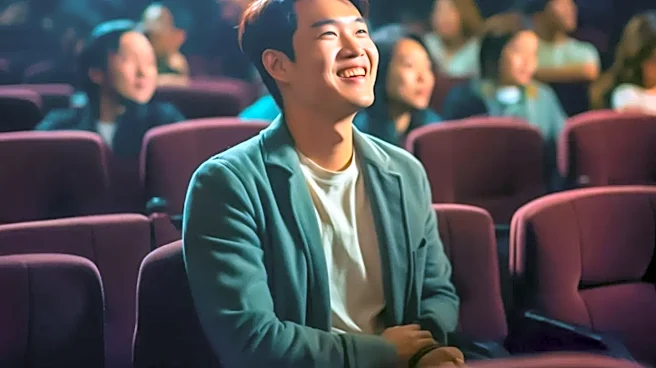
Some of an actor's most powerful moments are when they aren't speaking at all. The reaction shot is one of the most fundamental tools in film grammar, and editors wield it with precision. By cutting away from a line of dialogue to show how another character receives it, an editor gives the audience a psychological cue on how to feel. A flicker of an eye, a tightening of the jaw, a suppressed smile—these silent beats provide crucial subtext and can reveal a character’s true feelings without a single word. A performance becomes a conversation not just through dialogue, but through a rhythm of action and reaction. An editor can make a character seem thoughtful, menacing, or heartbroken simply by choosing when to show them listening. These choices are what make the audience feel they are in a character's inner world, experiencing their thoughts in real-time.
Crafting Rhythm and Pace
Editing is all about timing and rhythm. The pace of the cuts directly influences how we perceive a performance. Rapid-fire cuts can create a sense of anxiety or high energy, making a character feel witty or overwhelmed. Conversely, letting a shot linger—allowing an actor to simply exist in a moment of stillness—builds tension or invites deep emotional connection. If a scene's dialogue is cut too tightly, a performance can feel robotic, like actors simply reciting lines. But when an editor allows for natural pauses and breaths, the performance feels spontaneous and real. The editor is essentially controlling the film's heartbeat, and by extension, the emotional state of the audience. This musicality can make a good performance feel great, and a great one feel unforgettable.
The Blink of an Eye
Iconic editor and sound designer Walter Murch developed a fascinating theory connecting editing to a simple human action: blinking. He observed that people tend to blink when they have a new thought or have completed a mental beat. He proposed that a cut in a film works best when it aligns with this natural, internal rhythm. An ideal cut, therefore, isn't an interruption but a reflection of how we process the world. When an editor is shaping a performance, they are often subconsciously looking for these moments—the point where the actor completes an emotion or thought. By cutting at that precise instant, the editor honors the performance's internal logic, making the transition to the next shot feel seamless and emotionally correct. It’s a subtle art, but it’s why a well-edited scene just feels right.