






It’s More Than Just Safety in Numbers
The most obvious reason is also the most primal: there’s safety in a group. But the psychology is more complex than simply having someone to protect you from the killer on screen. Scientists call it 'social buffering'. The mere presence of a friend, especially
one you trust, can actively reduce your body's stress response. Your brain perceives the environment as less threatening, which allows your prefrontal cortex—the logical part of your brain—to keep the amygdala, your brain's fear center, in check. You know on a conscious level that the threat is fictional, and having friends there reinforces that feeling of safety, allowing you to enjoy the thrill without tipping into genuine terror.
A Rollercoaster of Shared Emotions
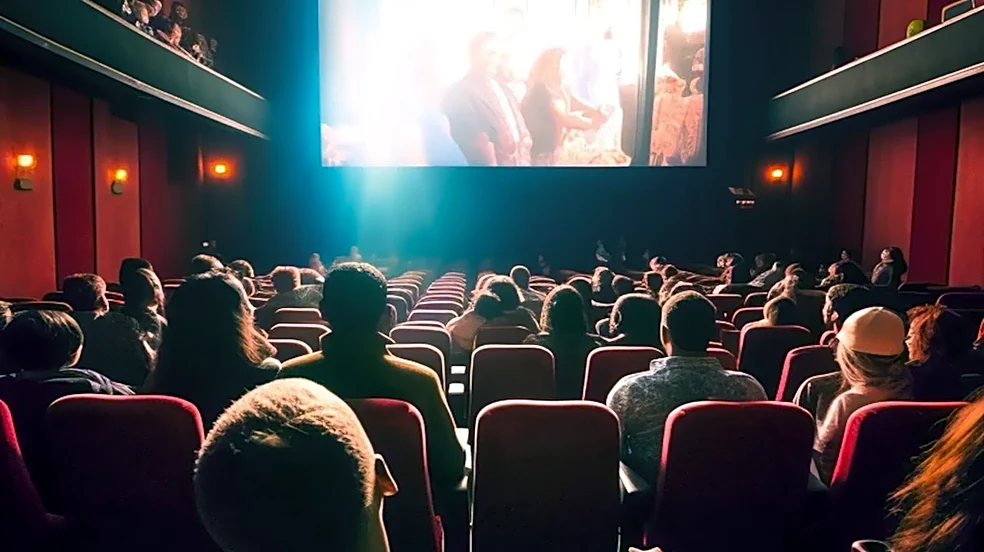
Humans are wired for 'emotional contagion'. It’s why you might feel sad when a friend is crying or get energized in a cheering crowd. When watching a horror film, this effect is supercharged. When one person gasps, everyone tenses up. When someone screams, it gives others permission to do the same. This shared experience creates a powerful feedback loop. The collective screams, followed by nervous laughter, validate and amplify the emotional journey. This cycle turns fear into a communal event, and the rush of relief after a scary scene releases feel-good endorphins, making the whole experience feel exhilarating rather than just stressful.
Fear, Fun, and Friendship
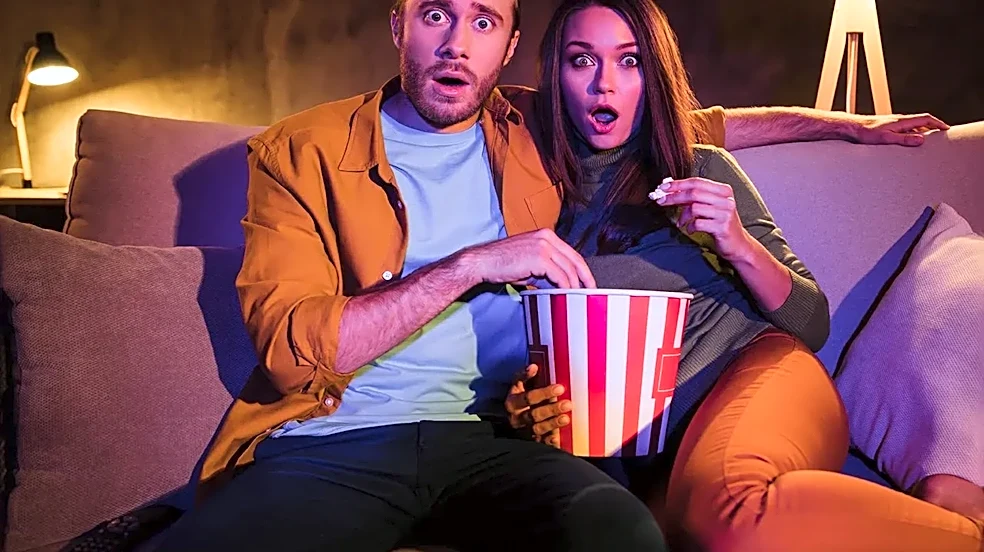
Watching a scary movie with friends also functions as a bonding experience. Going through a simulated high-stakes event together strengthens social ties. Your brain releases oxytocin, the 'bonding hormone,' when you feel close to those around you, like when you’re huddled on the couch. It’s a form of what psychologists call 'recreational horror'. You and your friends are willingly entering a scary but controlled environment, and navigating it together builds a sense of camaraderie. You're not just passively watching a film; you're actively participating in a social ritual, creating a shared memory that’s more about the fun you had together than the monster itself.
The Power of Distraction and Commentary
Let’s be honest: a big part of watching horror movies in a group is making fun of them. The running commentary—'Don't go in there!', 'Why would she drop the flashlight?', 'That special effect looks so fake'—does more than just provide comic relief. It actively breaks the tension and constantly reminds everyone that what you're watching isn't real. This intellectual engagement pulls you out of the purely emotional fear response. It reframes the movie from a terrifying ordeal into a game where you and your friends are witty, all-knowing spectators. This sense of control and shared analysis is something you simply don’t get when you’re alone in the dark, fully immersed in the film's dreadful atmosphere.