




The Tightrope of Authenticity
The core challenge of any tribute is navigating authenticity. It isn’t about creating a perfect, sterile copy of the original work. Instead, it's about capturing a spirit. For hip-hop, a genre built on personal narrative and lived experience, this is especially
critical. A successful tribute performance feels genuine, not merely accurate. It requires the performers to have a real emotional investment in the music and the artist they are honoring. The goal is to create a performance that has life, not just technical proficiency, which can sometimes feel hollow. The audience, often made up of deeply knowledgeable fans, can immediately spot the difference between a performer who is simply playing a role and one who is channeling a genuine respect and understanding of the material. It’s a performance that needs to be authorized by the audience's belief in its sincerity.
Casting Is More Than Star Power
The artists chosen to perform the tribute are the most visible element, and the casting can make or break the entire segment. It's not enough to just grab the biggest names on the charts. The performers must have a clear connection to the honoree’s legacy. This could be a direct influence, a shared regional background, or a similar artistic philosophy. Think of it as finding the right 'truthful ambassadors' for the music. When A$AP Mob paid tribute to the late A$AP Yams, it worked because their collective grief and gratitude were palpable. The performance becomes a conversation between artists across time. The best tributes feature contemporary artists who not only admire the icon but also understand their place in the lineage, allowing them to bring their own identity to the performance while still honoring the source.
Beyond the Greatest Hits
Musical direction is the invisible architecture of a great tribute. Simply replaying a string of hits is the safest route, but it's rarely the most powerful. A memorable tribute often reinterprets or contextualizes the music. As seen in the massive 50th-anniversary Grammy tribute, producers like Questlove face the immense challenge of telling a multi-decade story in minutes, which forces creative choices. This might involve crafting clever medleys that tell a narrative, incorporating surprising samples, or bringing in the original DJ or producer to anchor the performance. It's about finding a new angle on beloved classics, perhaps by highlighting a lesser-known track or blending songs to create a new emotional arc. This approach respects the audience's intelligence and offers them a fresh perspective, rather than just a trip down memory lane.
Building the World
A tribute is a piece of theater, and every element of the production matters. The visual presentation—from stage design and lighting to the use of archival footage—is crucial for creating an immersive experience. For hip-hop, which has a rich visual history through music videos, fashion, and photography, these elements are not just background noise; they are part of the story. A well-placed photo of the artist in their youth or a brief clip from a classic interview can provide powerful emotional context. These production details help transport the audience and create a sense of time and place, reinforcing the narrative of the artist's journey and impact. It’s about building a world for a few minutes that fully celebrates the honoree’s universe.
Getting the Blessing
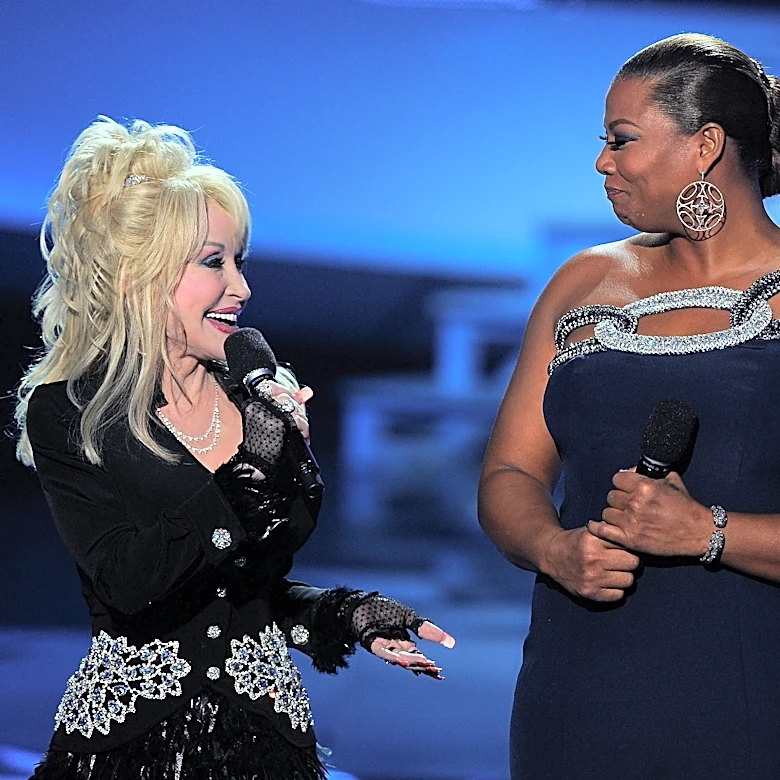
Ultimately, the most crucial element might be the involvement and blessing of the honoree or their estate. This collaboration is the ultimate stamp of authenticity. When an artist like Missy Elliott or Queen Latifah is visibly involved in their own tribute, it transforms the performance from an imitation into a celebration. Their presence, whether on stage or in the audience, gives permission to the other artists to play, reinterpret, and celebrate. For posthumous tributes, the involvement of family or close collaborators serves the same purpose. It ensures the tribute aligns with the artist's own values and tells the story they would have wanted to be told. It bridges the gap between a professional obligation and a personal, heartfelt salute. This cooperation ensures the tribute is rooted in respect, not just commerce.