
More Than Trophies on a Mantle
The core difference lies in the mission. Events like the classic VH1 Hip Hop Honors weren't designed to reward the year's commercial hits based on sales or streaming numbers. Instead, they were built to acknowledge something more fundamental: influence
and significance. The honorees were often pioneers and trailblazers who laid the groundwork for the genre's global takeover. This focus on legacy over fleeting popularity shifts the entire dynamic. It becomes a night for acknowledging a shared history, celebrating the artists who built the culture from the ground up, and honoring the art form itself—from graffiti to filmmaking. The goal isn't just to hand out a piece of hardware; it's to pay respect, ensuring that the architects of hip-hop are given their flowers while they can still smell them.
The Cipher, Not the Stage
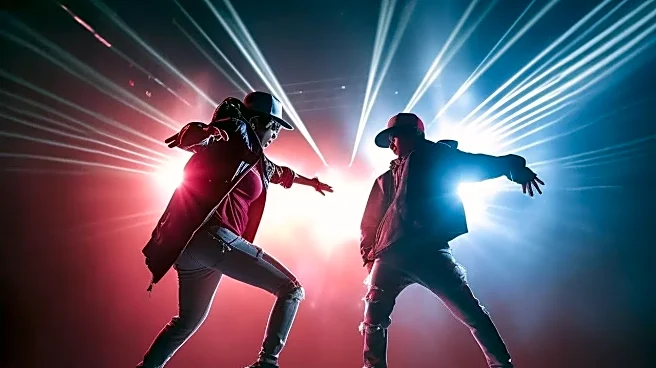
Hip-hop was born from community. From park jams in the Bronx to basement ciphers, its foundation is collaborative and collective. A proper tribute show understands this DNA. Instead of rigid, isolated performances, the best moments often feel like an extension of the cipher—a circle where artists trade verses, share the spotlight, and build on each other's energy. The format often features current stars performing the hits of their heroes, not as simple covers, but as heartfelt reinterpretations. Then, the honoree themselves might join in, creating a powerful, cross-generational moment. This act of passing the mic, both literally and figuratively, reinforces a sense of lineage and mutual respect that is often absent from more competitive awards environments.
From Regional Roots to a National Block Party
For decades, hip-hop was defined by its regional sounds and fierce loyalties. But as the genre matured, so did its artists. The pioneers from New York, Los Angeles, Atlanta, and beyond are now the genre's elder statesmen and stateswomen. A tribute show brings these figures together, turning old rivalries into shared stories. The audience isn't just watching a show; they're witnessing a gathering of titans. Seeing legends like Run-DMC, Public Enemy, Queen Latifah, and Missy Elliott celebrated on one stage creates a powerful narrative of unity. It's a visual and sonic representation of how a collection of local movements grew into an undeniable global force, reminding everyone that despite different origins, they are all part of the same cultural family.
The Art of the Authentic Tribute
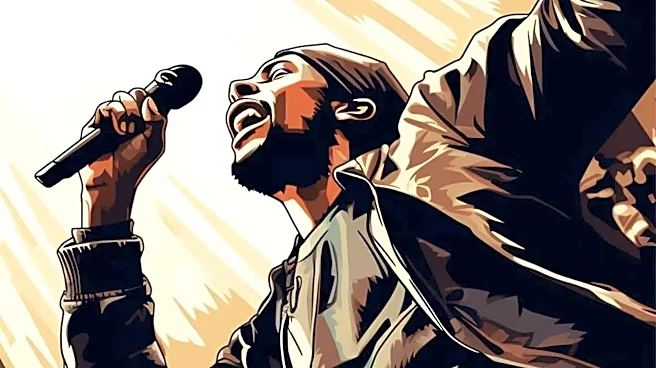
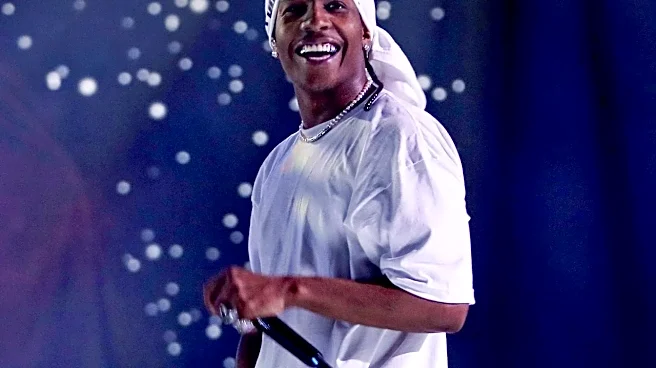
The tribute performances are the heart of the reunion. When Black Thought, Common, and T.I. teamed up to honor Big Daddy Kane, or when Eminem and DJ Jazzy Jeff paid homage to LL Cool J, it was more than just a performance. It was a demonstration of influence made real. You can see the genuine admiration as younger artists tackle the verses that inspired them, often with the legends themselves watching from the front row or joining them on stage. These moments are electric because they're authentic. They showcase the passing of a torch from one generation to the next, a core tenet of hip-hop culture. It’s this spirit of gratitude and visible connection—seeing pioneers and relative newcomers share a stage—that truly makes the event feel less like an industry obligation and more like a vibrant, noisy, and joyful family affair.