
The Science of Feeling Good in Your Clothes
The idea that clothing can influence your mental state isn't just a feeling; it's a recognized psychological phenomenon. Researchers call it "enclothed cognition." A 2012 study found that participants
who wore a white coat they believed belonged to a doctor showed heightened attentiveness compared to those who wore the same coat but were told it was a painter's smock. The takeaway is that clothes have a symbolic meaning, and when we physically wear them, we can start to embody the traits we associate with them. This concept is a cousin to "dopamine dressing," the trend of wearing outfits that bring you joy and confidence. It’s about choosing colors, textures, and styles that make you feel good, which can trigger a release of the brain's feel-good chemicals. It’s less about what’s fashionable and more about what sparks personal happiness and energy.
Why Characters Make the Perfect Style Muse
Fictional characters are powerful symbols. We admire them not just for their stories, but for what they represent: courage, intelligence, rebellion, or grace. When you dress in a way that evokes a character, you're not just playing pretend; you're signaling to yourself that you want to tap into those qualities. This is why channeling a character can be more potent than simply wearing a color you like. You’re connecting to a narrative. Feeling uninspired? A sharp blazer might make you feel more professional, but a blazer paired with a specific color scheme that reminds you of a brilliant detective from your favorite novel can make you feel clever and ready to solve any problem that comes your way. This act of dressing becomes a form of creative expression and a tool for self-empowerment.
How to Channel, Not Cosplay
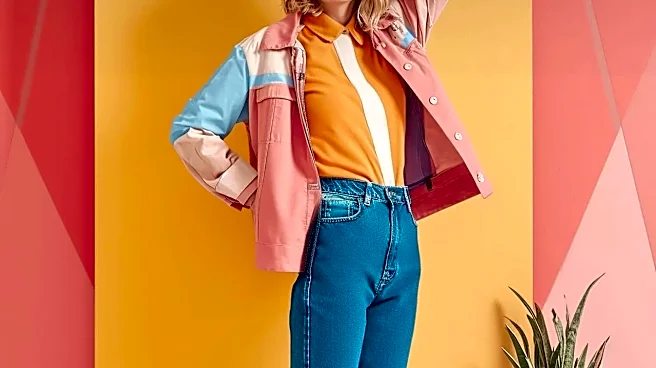
The key to bringing this practice into your daily life is subtlety. This isn't about wearing a full costume to the office; it's about translating a character's essence into a wearable outfit. This approach, popularized in fan communities as "Disneybounding," focuses on using everyday clothes to hint at a character. The easiest way to start is with a color palette. Think of Snow White's signature blue top and yellow skirt, which can be reinterpreted as a navy blouse and a mustard-colored pair of pants. Next, consider a character's signature silhouette or accessories. A trench coat can evoke a classic noir detective, a vibrant scarf can nod to a whimsical adventurer, and a particular piece of jewelry can echo the style of a regal queen. You can pull from your existing wardrobe and get creative; the goal is to create an outfit that gives you a personal, confidence-boosting secret.
More Than an Outfit, It's a Mindset
Ultimately, dressing like a character is a low-stakes, joyful way to play with your identity and exercise creative control over your day. It’s an intentional act that transforms the mundane routine of getting dressed into a moment of self-care. For many, it's also a way to find community. Sharing your character-inspired looks online or recognizing another fan's subtle nod to a shared favorite can create an instant connection and a sense of belonging. Whether you're channeling a superhero's strength for a tough meeting or a romantic hero's charm for a first date, you're giving yourself permission to access different parts of your own personality. It’s a reminder that fashion can be more than just fabric; it can be a tool for storytelling, confidence, and a little bit of everyday magic.