


The Comfort of the Period Piece
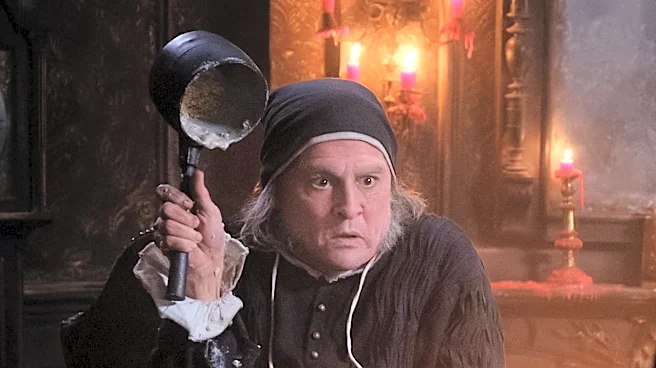
At first glance, 'The Ice Storm' is a perfect vessel for 1990s nostalgia for the 1970s. Set during Thanksgiving weekend in 1973, the film is a meticulous recreation of a very specific moment in American culture. Director Ang Lee immerses us in a world
of wood-paneled station wagons, wide-collared shirts, and hazy suburban ennui. The Watergate hearings drone on the television, a new wave of psycho-babble has infected adult conversations, and the promise of the sexual revolution has curdled into awkward, joyless experimentation. For a viewer today, this can feel quaint and safely distant. The film’s aesthetic is so specific, so perfectly curated, that it acts as a kind of historical diorama. We observe the characters—the emotionally adrift Hood and Carver families—as if they were specimens from another time, trapped in the amber of their era’s questionable taste and moral confusion.
Cracks in the Foundation
But the film’s comfort is a carefully constructed illusion. Lee uses the period details not to create distance, but to slowly and methodically expose the timeless rot beneath the surface. The adults are the primary focus of this critique. Ben and Elena Hood (Kevin Kline and Joan Allen) and their neighbors, Janey and Jim Carver (Sigourney Weaver and Jamey Sheridan), are drowning in a sea of affluence and spiritual emptiness. Their attempts to find meaning—through clumsy affairs, pop psychology books, and the infamous key party—are uniformly pathetic and bleak. There is no joy in their transgressions, only a deeper sense of isolation. They talk but never communicate, touch but never connect. The film argues that the ideologies they’ve clung to—freedom, self-discovery, rebellion against convention—have left them with nothing but a profound sense of hollowness. They are the first generation of a new kind of American loneliness, one born not of scarcity but of abundance.
The Kids Are Not Alright
While the adults fumble in the dark, their children are left to navigate the fallout. Paul Hood (Tobey Maguire) is away in the city, quoting comics like a modern philosopher, while his sister Wendy (Christina Ricci) engages in precocious, unnervingly cold sexual experimentation with the Carver boys. These aren't just angsty teens; they are eerily perceptive mirrors of their parents' dysfunction. They have inherited the language of therapy and freedom but lack the emotional framework to understand it. Wendy’s clinical approach to her encounters and Paul’s intellectual detachment are coping mechanisms for a world without moral guardrails. The film’s devastating climax, precipitated by the titular ice storm that freezes the landscape into a beautiful but lethal paralysis, is a direct consequence of this parental abandonment. The children are left alone to face the storm, both literally and metaphorically, and the adults are too lost in their own fog to even notice.
From Then to Now
When 'The Ice Storm' was released, it felt like a sharp critique of a specific generation. Watched today, its power has shifted. The nostalgia has faded, and the unease has become its dominant frequency. The film’s themes of systemic disillusionment, the breakdown of the family unit, and a pervasive sense of social and emotional disconnection feel less like a portrait of the 1970s and more like a diagnosis of the present. The political cynicism that hums in the background, the empty pursuit of sensation, the difficulty of forming genuine human connections in a world saturated with mediated experiences—it all resonates with an unnerving clarity. The feeling that something is fundamentally broken, that the adults are no longer in charge, and that we are all just improvising in the face of an impending storm, feels more immediate now than it did then. The film’s quiet horror is no longer historical; it’s contemporary.