


Embrace Ambiguity, Not Easy Answers
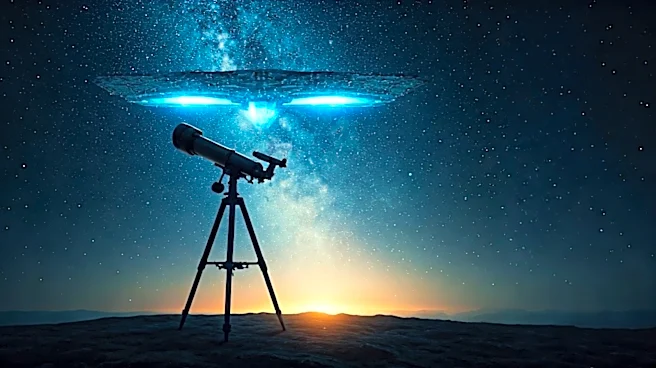
The greatest mythologies, from ancient legends to modern sci-fi, are built on a foundation of mystery. The moment you explain everything, the magic vanishes. Think of the early seasons of *The X-Files*. The power wasn’t in knowing what the aliens wanted;
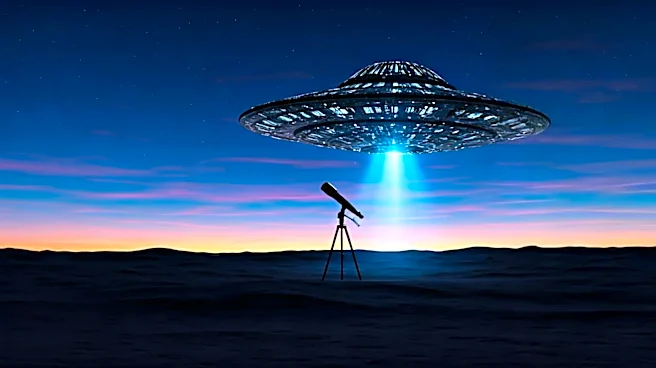
it was in the unsettling possibility that they were *out there*. A hypothetical Disclosure Day would be most powerful if it confirmed a strange reality but left the biggest questions unanswered. Did they crash? Are they visitors? Are they something else entirely? A simple government report stating, 'Yes, non-human biologics were recovered from a craft of unknown origin,' is infinitely more compelling lore than a full PowerPoint presentation on alien biology and faster-than-light travel. The former invites a million stories, poems, and campfire tales. The latter invites a single, probably disappointing, movie adaptation. To build lore, you need to give the public a compelling mystery to solve, not a finished puzzle.
Focus on the Human Reaction
The most fascinating part of any first-contact story isn’t the alien—it’s us. How does a pilot grapple with seeing something that defies physics? How does a scientist reconcile a lifetime of assumptions with one impossible piece of data? How does society itself handle the ontological shock? Franchise bait fixates on the spectacle: the spaceships, the laser beams, the alien designs. True lore focuses on the human heart. The story of Disclosure shouldn't be *Independence Day*, with its easy-to-root-for heroes and explosive action. It should be more like *Arrival*, a story centered on communication, grief, and perception. The real drama would be in the quiet moments: the debates in Congress, the frantic calls between world leaders, the existential conversations at family dinner tables. These are the narratives that resonate and endure, creating a mythology that feels grounded and deeply personal, not like a detached special effects showcase.
Resist the Cinematic Universe Impulse
In modern Hollywood, every new idea is stress-tested to see if it can support a multi-billion-dollar, decade-spanning cinematic universe. This is the quickest way to turn a profound concept into thin, market-driven content. The 'franchise bait' approach would be to immediately announce a slate of films and streaming shows: *Disclosure: The Roswell Legacy*, *The Navy Pilot Files*, and an animated kids' show about a friendly grey alien. This strategy suffocates the story before it has a chance to breathe. The original *Star Wars* worked because it was a self-contained film. The expanded universe grew *from* its success, organically, over decades. If Disclosure happens, the story needs time to settle and marinate in the public consciousness. Let independent filmmakers, novelists, and artists interpret it first. The most potent lore is decentralized; it can’t be wholly owned by a single corporation’s marketing department.
Let the Story Belong to Everyone
The best stories feel like they belong to all of us. Think of urban legends or foundational myths—no one 'owns' the story of Icarus or the Headless Horseman. They are part of the cultural commons, constantly reinterpreted and retold. The moment the 'official' story of alien contact is exclusively licensed to a single media conglomerate, it ceases to be a modern myth and becomes a product. To avoid this, the core details of Disclosure must remain in the public domain, a shared historical event akin to the moon landing. The power of the story comes from its ability to inspire countless unofficial narratives. We need fan fiction, garage bands writing concept albums, and public art projects grappling with the news. This collective, chaotic, and uncontrollable ownership is what separates living lore from a carefully managed intellectual property. It’s the difference between a new chapter in human history and the launch of a new subscription service.