






The Festival as a Launchpad
The fall film festival circuit—chiefly Venice, Telluride, and Toronto—isn't just a party for artists. It’s a strategic marketplace where a movie’s entire future is forged. For many films, especially independent or challenging ones, a premiere at a top-tier
festival is the first and most critical step. It's where the initial narrative is built. Was it the crowd-pleaser that earned a record-breaking ovation? Was it the controversial lightning rod that has everyone talking? At the recent Venice Film Festival, for instance, a film like May el-Toukhy's "Woman Unknown" walked away with the top prize, the Golden Lion, immediately establishing it as a must-watch contender for the rest of the year. This initial burst of attention from critics and industry insiders is the first gust of wind in a film's sails.
The Art of the Slow Burn Release
You won’t see most festival darlings opening on 4,000 screens overnight. The most common strategy is the “platform release.” This involves opening a film in just a handful of theaters in major markets like New York and Los Angeles. The goal is to create an exclusive, must-see event. If it performs well, generating sold-out screenings and positive word-of-mouth, the distributor will slowly expand it to more cities over subsequent weeks. This methodical approach allows buzz to build organically, letting critical praise and audience reactions serve as the primary marketing tools. It turns a movie into a discovery, something audiences feel they are in on, rather than just another product being advertised to them. This strategy protects smaller, character-driven films from getting crushed by blockbusters on opening weekend.
Marketing the 'Unmarketable'
How do you sell a quiet, meditative drama or a politically charged documentary to a mass audience accustomed to superheroes? The key is to find a simple, emotionally resonant hook. Marketers will often focus on a single element: a transformative lead performance, a timely social issue, or the reputation of a beloved director. For example, recent buzz from the festival circuit suggests Robert Pattinson's performance in the upcoming drama "Primetime" is so powerful it could be the central pillar of its campaign. Similarly, a controversial subject, like the one explored in the documentary "NAZA," can itself become the headline, driving curiosity. The trailer might emphasize the thriller aspects of a drama or the human-interest angle of a complex story. It's not about misrepresenting the film, but about giving the mainstream audience an accessible entry point into a story they might otherwise ignore.
Weaponizing Awards Season
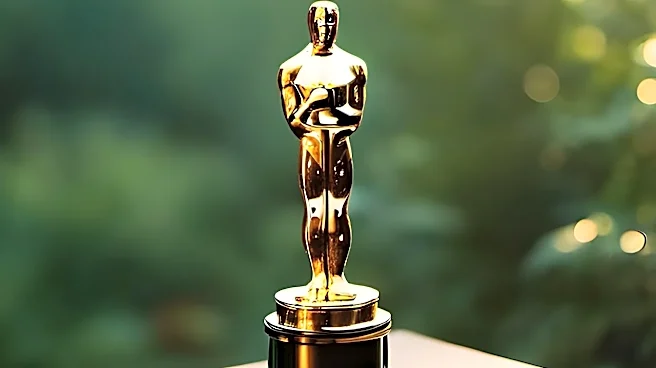
The phrase "For Your Consideration" isn't just for industry voters; it's a message to the public. The entire awards season apparatus, from the Golden Globes to the Oscars, is a months-long marketing campaign. Every nomination and precursor award is a new opportunity to issue a press release, cut a new trailer heralding the achievement, and remind audiences that this is a film of cultural importance. An Oscar nomination for Best Picture or Best Actor isn't just an honor; it's a seal of quality that can convince hesitant moviegoers to take a chance on something outside their comfort zone. Studios spend millions on campaigns not just to win a statue, but because the nominations themselves can add tens of millions to a film's final box office gross by keeping it in the public conversation long after its initial release.