



The Non-Negotiable First Step: Primer
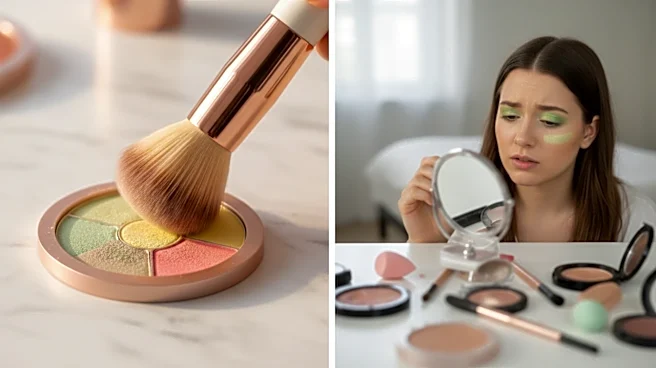
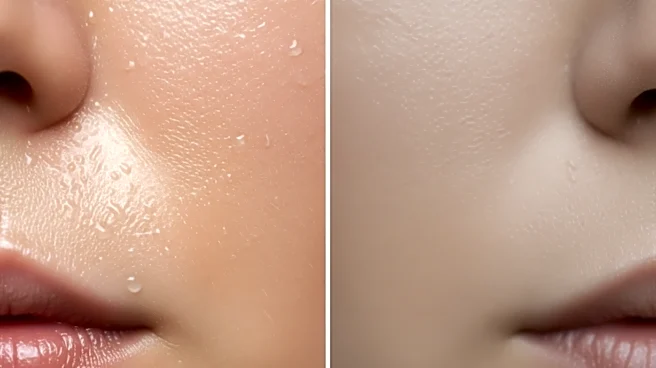
A beginner often jumps straight to the color, swiping it onto a bare lid. A professional knows the secret to vibrancy and longevity is starting with a clean canvas. An eyeshadow primer does three critical things: it neutralizes any discoloration on your
eyelid, creates a smooth, even surface, and gives the pigment something to grip. Without it, oils on your lid can cause shadow to crease, fade, or become patchy within hours. Pros treat primer as a non-negotiable step that ensures the color in the pan is the color you get on your eye, and that it stays there all day.
Strategy Over Speed: Building Dimension
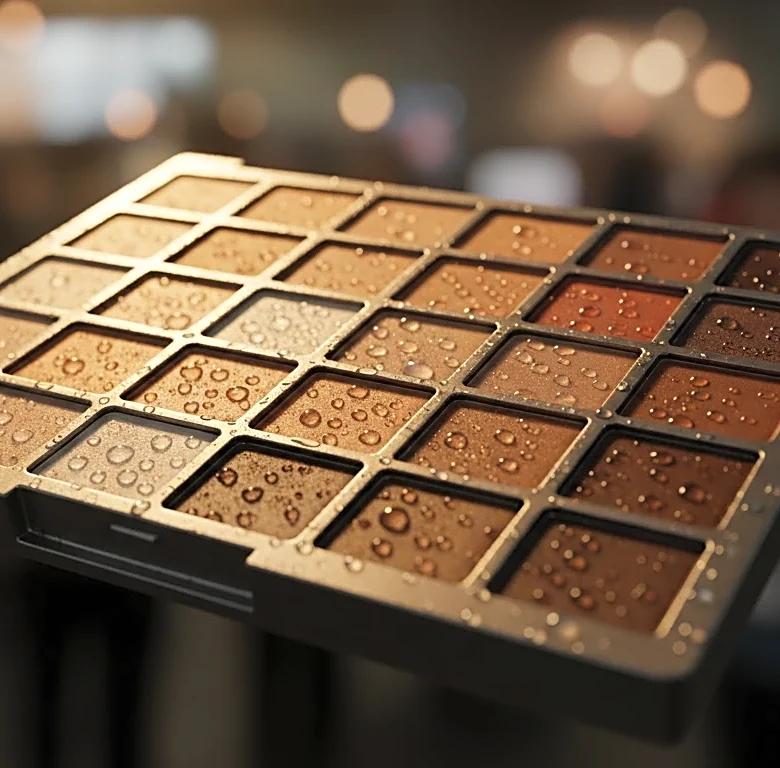
A common beginner move is to pick one pretty shimmer and swipe it all over the lid. While simple, this can look flat. A pro thinks in layers and dimension. They start with a neutral matte shade, often slightly darker than your skin tone, and blend it into the crease as a transition color. This creates a soft gradient and makes the brighter colors look intentionally placed, not just randomly applied. They then strategically place other colors—packing a bright shade onto the lid with a flat brush, using a deeper shade on the outer corner for depth, and adding a light shimmer to the inner corner to make the eyes pop. This multi-shade approach is what creates a polished, dimensional look.
The Right Tools for the Job
Many palettes come with a small, double-sided sponge applicator. For a beginner, this seems sufficient. For a pro, it’s practically unusable for a blended look. Professionals rely on a small arsenal of brushes. At a minimum, this includes a flat shader brush to pack on pigment, a fluffy blending brush to diffuse harsh lines, and a smaller pencil or smudger brush for detail work along the lash line. Using the right tools is the difference between sharp, disjointed blocks of color and a seamless, professional-looking gradient. Investing in even a few decent brushes dramatically changes the outcome.
Blending: The Real Secret Weapon
If there's one skill that separates the pros from the amateurs, it's blending. A beginner often applies color and stops there, leaving harsh lines between shades. A pro spends a significant amount of time blending. Using a clean, fluffy brush, they use light, back-and-forth and circular motions to soften the edges where colors meet. The goal is to create a smooth transition so you can't tell where one color ends and another begins. This single technique is what elevates an eye look from looking like paint-by-numbers to a soft, airbrushed effect.
Creating a Cohesive Look
A professional thinks beyond the eyelid. The most beautifully blended spring eyeshadow can look out of place if the rest of the makeup doesn't harmonize with it. When using bright or pastel colors on the eyes, a pro will often keep the rest of the face more restrained. This might mean a sheer foundation, a soft, natural-looking blush, and a nude or subtly tinted lip. This allows the colorful eye to be the star of the show without competing with a bold lip or heavy contour. Beginners, on the other hand, might pair a dramatic eye with an equally dramatic lip, creating a look that feels overwhelming rather than chic and intentional.
Understanding Color, Not Just Liking It
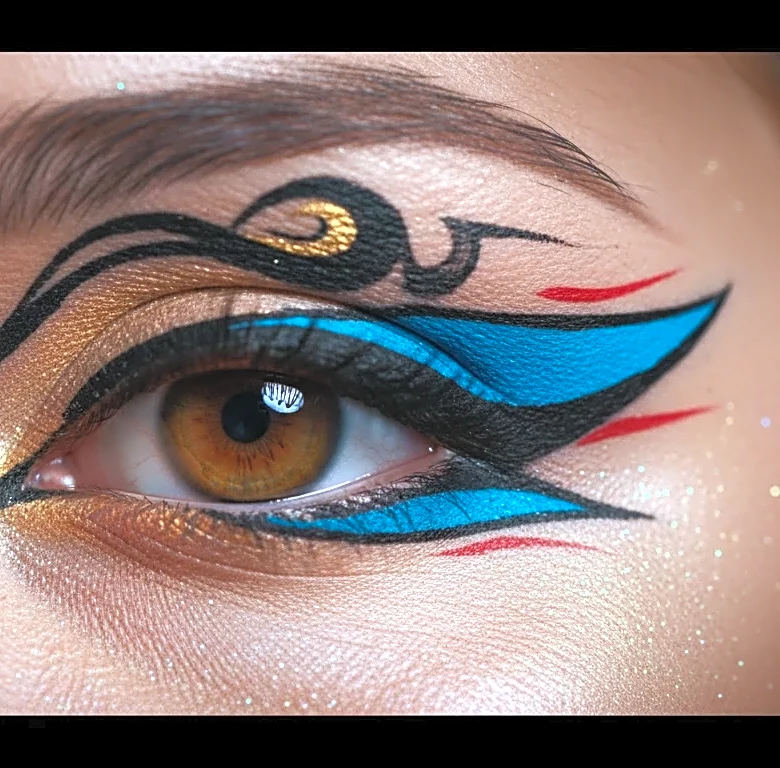
Beginners often gravitate toward the most exciting color in the palette. Professionals consider color theory. They know that framing a bright color with surrounding neutrals makes it more wearable and sophisticated. They understand that complementary colors (opposites on the color wheel) can make each other pop, but can turn muddy if over-blended. For a spring palette, a pro might use a pop of pastel blue on the lid and then blend a soft, peachy-brown into the crease. The warm neutral complements the cool pastel, creating a balanced and intentional look that still feels fresh and fun.