



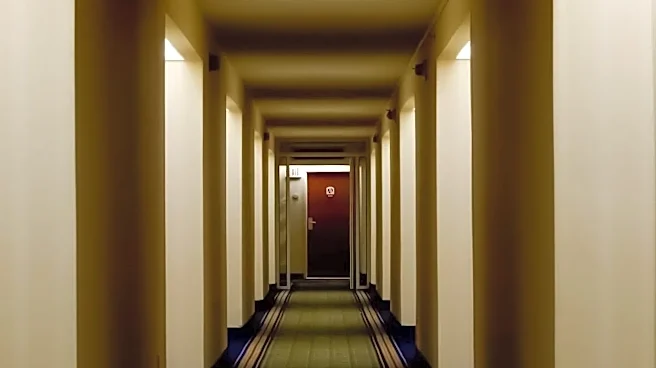
The Primal Fear of the Unknown
The most fundamental reason unexplained horror works is that it taps into our deepest, most primal fear: the unknown. Our brains are wired to identify threats, and when a threat is undefined, it becomes limitless. A monster with a detailed backstory and clear
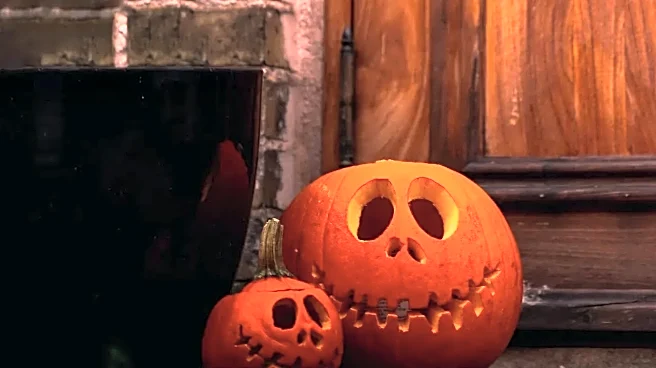
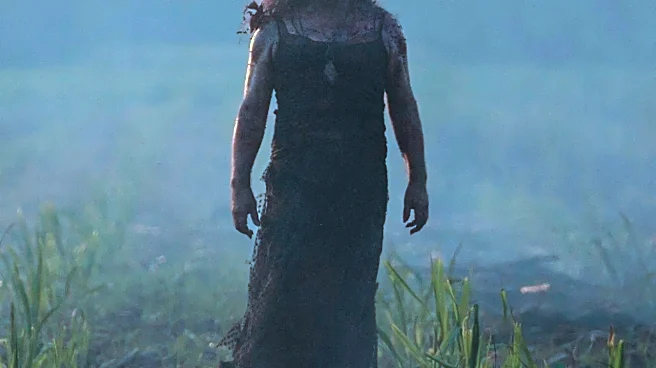
weaknesses can be understood and, eventually, defeated. But a force of nature with no discernible motive? That’s true terror. John Carpenter’s original Halloween is the masterclass. Michael Myers is frightening not because of what he is, but because of what he isn’t. He is simply “The Shape.” Carpenter has been clear that he intended for Michael to be a mysterious, almost supernatural force. He is evil incarnate, a presence that cannot be reasoned with. This lack of explanation prevents the audience from ever getting comfortable. We can’t rationalize his actions, so we’re left in a state of perpetual dread, which makes every rewatch just as tense as the first.
The Audience Becomes the Co-Author
When a film leaves deliberate gaps in its story, it invites the viewer to participate. Ambiguity isn't lazy writing; it's an active storytelling choice that turns the audience into a co-author of the horror. Your imagination, spurred on by clever suggestion, will always create something more terrifying and personal than what a special effects team could put on screen. Take The Blair Witch Project. The film’s genius is that it shows you absolutely nothing. We never see the witch. We only see the effect she—or whatever is out there—has on three terrified students. Is it a supernatural entity, a local outcast, or just the product of their own paranoia? The film provides evidence for all and answers for none. By forcing us to fill in the blanks, the horror becomes uniquely our own, tailored to our specific fears. This collaborative creation of terror is intensely memorable and a huge reason why people still debate the film decades later.
Fueling the Never-Ending Conversation
What do we do after watching a confusing but brilliant movie? We talk about it. We Google it. We fall down a rabbit hole of fan theories. Ambiguity is the engine of endless discussion, and that discussion is the lifeblood of a rewatchable film. Stanley Kubrick’s The Shining is perhaps the ultimate example. The final shot, showing Jack Torrance in a 1921 photograph at the Overlook Hotel, has fueled countless interpretations for over 40 years. Is it about reincarnation? Has the hotel absorbed his soul? Kubrick himself suggested Jack was a reincarnation of a previous official, but the film leaves it deliberately open. Similarly, the complex mythology of Ari Aster’s Hereditary leaves viewers piecing together the influence of the demon Paimon long after the credits roll. These movies don't just end; they embed themselves in our minds, demanding repeat viewings to hunt for new clues and test new theories.
When More Is So Much Less
Conversely, horror history is littered with examples of franchises that were diluted by over-explanation. The power of a monster often lies in its mystery, and subsequent sequels or remakes frequently make the mistake of trying to 'solve' it. Rob Zombie’s reboot of Halloween, for example, gave Michael Myers a detailed, trauma-filled childhood. While a valid artistic choice, many fans felt that explaining his evil made him less of a terrifying force and more of a conventional serial killer. The same can be said for many slasher sequels that feel the need to elaborate on their killer's origins, often diminishing the raw, inexplicable terror that made the original so effective. The less we know, the more we have to fear. These missteps prove the point: what makes a horror movie a timeless classic isn't a perfectly explained plot, but a perfectly executed question mark that haunts you long after you’ve turned off the TV.