



It’s a Story, Not a Timeline
The first rule of a VMA recap is that it isn’t a news report. Producers aren't just creating a chronological summary of who won what. They are crafting a short film with a beginning, middle, and end. The goal is to build a specific narrative that makes
the night feel cohesive and momentous. Editors will identify a central theme—perhaps an artist’s triumphant return, a night of major upsets, or a dominant genre—and build the package around it. A stunning opening performance might kick things off to establish energy, followed by a series of quick-cut award presentations that build momentum, culminating in the biggest performance or most dramatic win of the night. It’s less about what happened first and more about what creates the most compelling emotional arc.
Mining for Emotional Gold
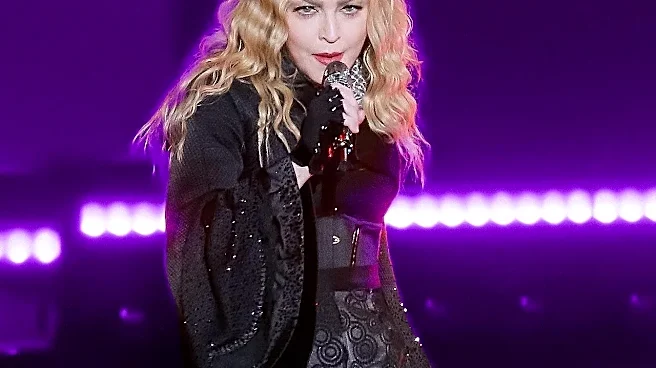
While performances and acceptance speeches are the meat of the show, the reaction shot is the secret sauce. Editors and producers are constantly searching for the gasp, the cheer, the subtle eye-roll, or the tearful glance between artists in the audience. These moments provide the emotional glue that holds the narrative together. A killer performance is made even better by cutting to another celebrity dancing in their seat. A shocking win feels more significant when juxtaposed with the gracious (or not-so-gracious) faces of the other nominees. The infamous 2003 VMA performance where Madonna kissed Britney Spears and Christina Aguilera became legendary largely because the broadcast immediately cut to the face of Spears' then-boyfriend, Justin Timberlake, in the audience. That single editing choice added a layer of personal drama that fueled conversations for weeks. These reactions transform the viewer from a passive observer into someone feeling the energy of the room.
Manufacturing Momentum and Virality
A great recap package is a masterclass in pacing. Editors use quick cuts, rising musical scores, and sound effects to create a sense of relentless energy, ensuring the viewer never gets bored. They juxtapose high-energy dance numbers with quiet, emotional acceptance speeches to create a dynamic rhythm. This is storytelling through juxtaposition. Furthermore, in the age of social media, recap packages are explicitly designed to be dissected and shared. Editors are looking for “meme-able” moments—a bizarre quote, a dramatic outfit, an awkward interaction—that can be easily clipped and go viral. The package itself serves as an official highlight reel, but its true purpose is to seed dozens of smaller, shareable moments online, extending the life of the show far beyond the broadcast.
The Holy Trinity: Performance, Drama, and History
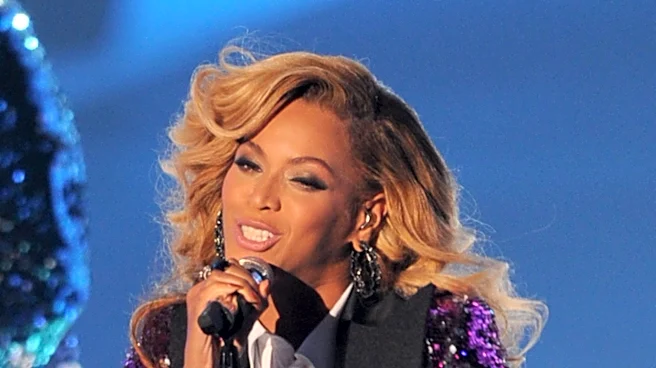
Almost every memorable VMA recap is built on three pillars. First, a jaw-dropping performance that defines the night, like Madonna's iconic 1984 “Like a Virgin” or Beyoncé's 2016 'Lemonade' medley. Second, unscripted drama or a manufactured moment of tension. This could be anything from an artist interrupting another’s speech to a planned on-stage stunt that gets everyone talking. Third, a sense of history. This can come from a veteran artist returning to the stage, like Madonna’s planned 2026 opening performance after a 23-year absence, or a band like Nirvana receiving a lifetime achievement award. By weaving these three elements together, editors create a package that feels not just entertaining, but culturally significant. It connects the present moment to the VMA’s long legacy of unpredictable, must-see television.